Physical Address
304 North Cardinal St.
Dorchester Center, MA 02124
Physical Address
304 North Cardinal St.
Dorchester Center, MA 02124

Identifying wild mushrooms, poisonous lookalikes, and staying safe when foraging or buying mushroom products.
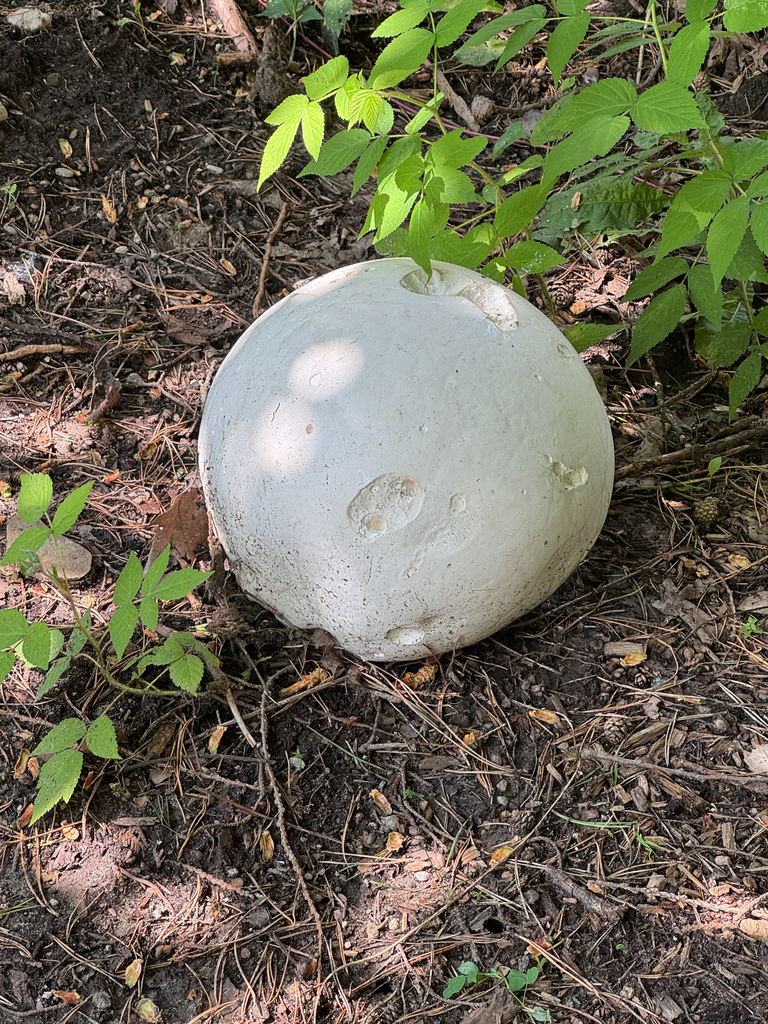
Young giant puffballs are a well-known edible, but poisonous earthballs and deadly young Amanitas can look similar. Learn the features to check and why you must always cut a puffball in half.
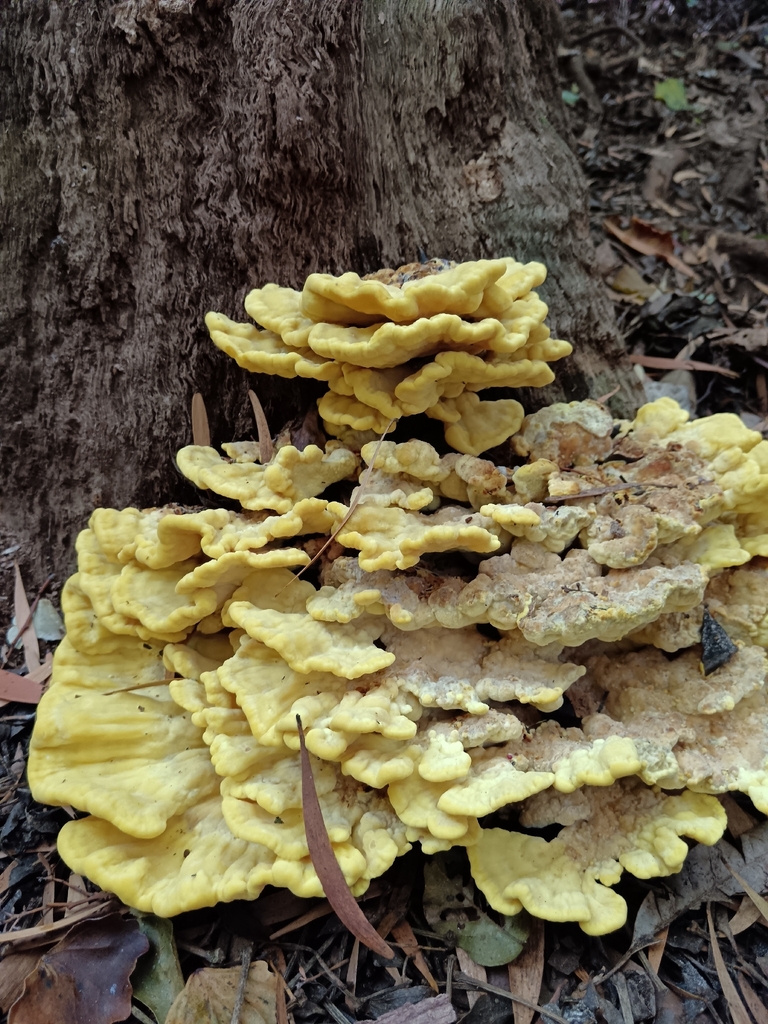
Chicken of the woods and hen of the woods are different fungi. Compare their colour, shape, pores and host trees, learn the lookalikes, and see why experts urge caution even with these popular edibles.
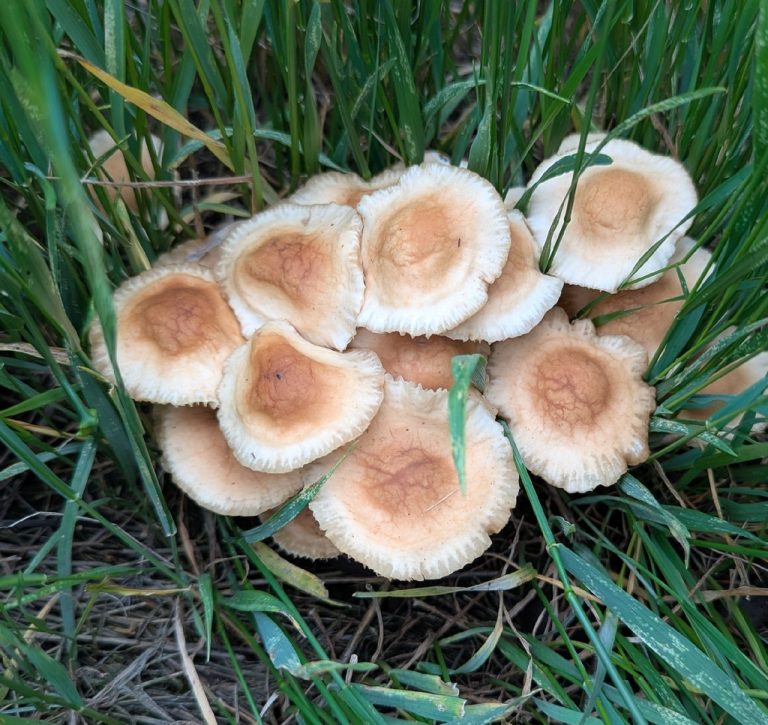
Fairy rings are made by fungi spreading outward through the soil. Learn how they form, the three types you'll see in lawns, the "fairy chemicals" behind greener grass, and why ring mushrooms aren't safe to eat without expert ID.
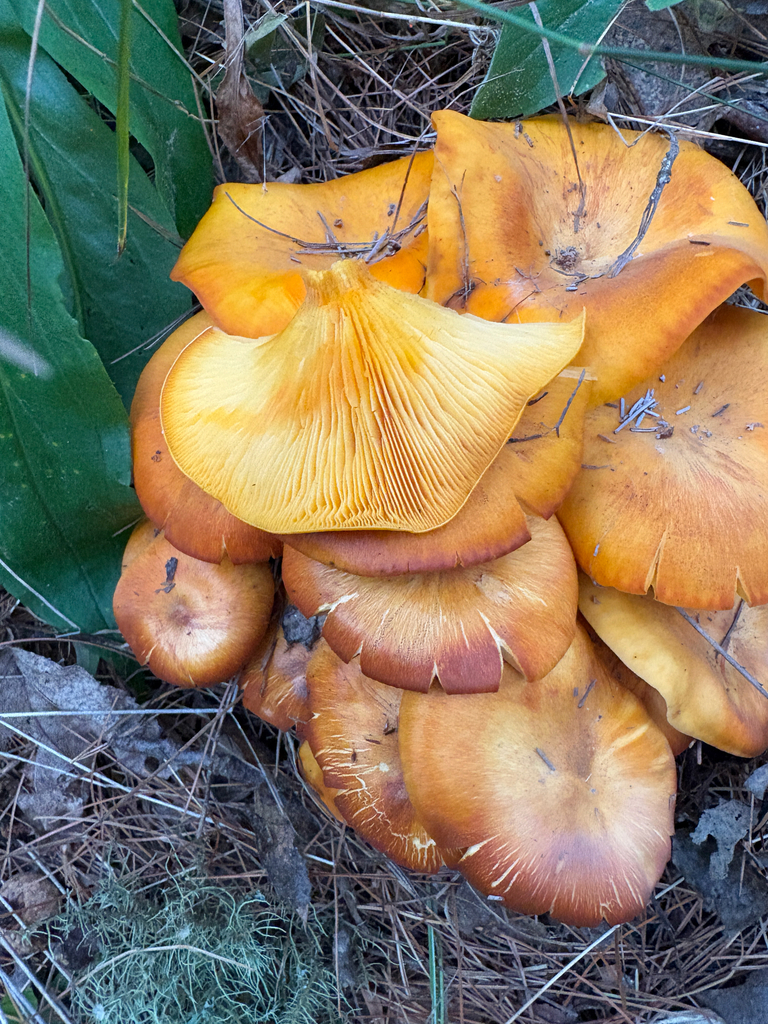
Only a small number of fungi can make their own light. Here's how bioluminescent mushrooms glow, what research says about why, and why the glowing jack-o'-lantern mushroom is poisonous.
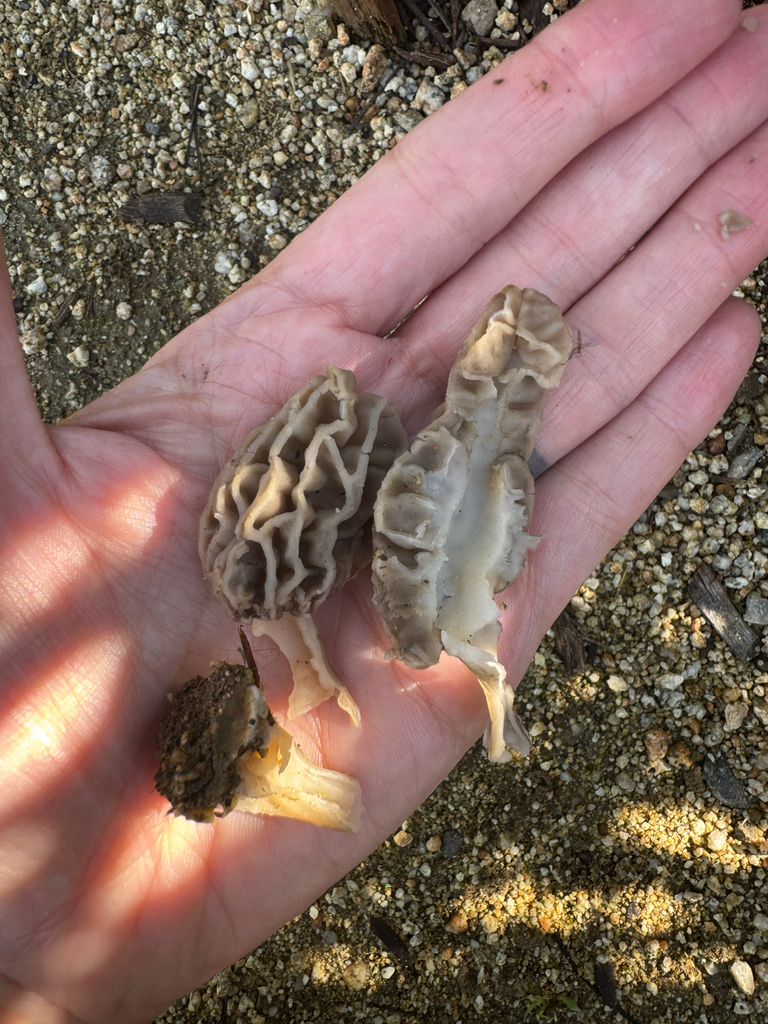
Raw button mushrooms are a salad staple, but morels, shiitake and enoki have caused illness when eaten raw or undercooked. Here's what the evidence says about eating mushrooms raw.
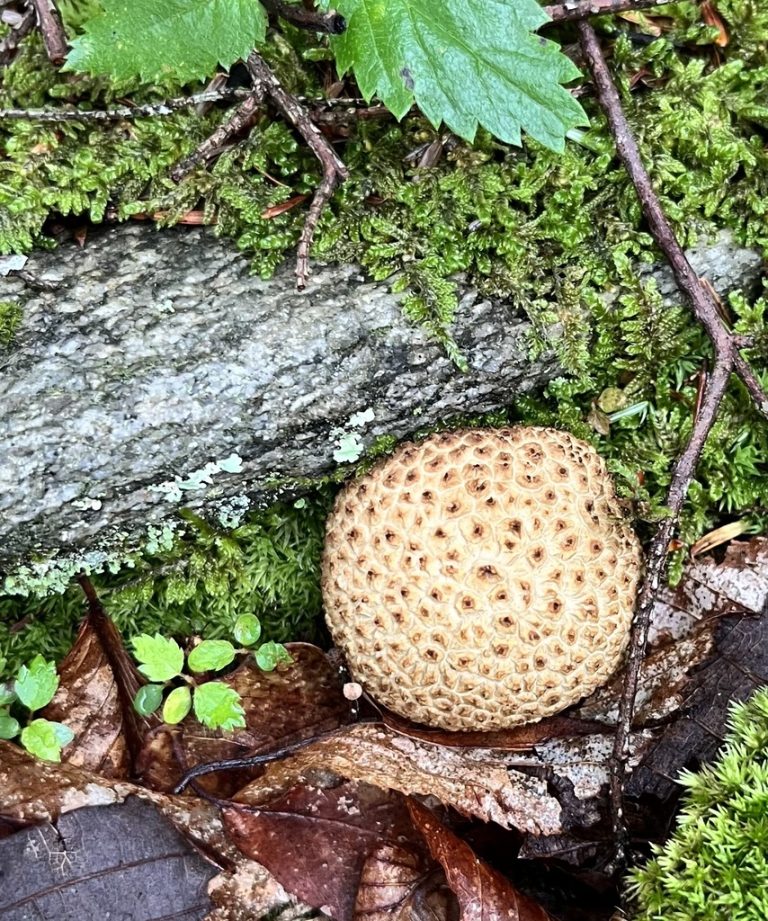
Some wild mushrooms can kill a dog, and signs may not appear for hours. Learn which mushrooms are most dangerous to dogs, the warning signs, what to do straight away and how to cut the risk.
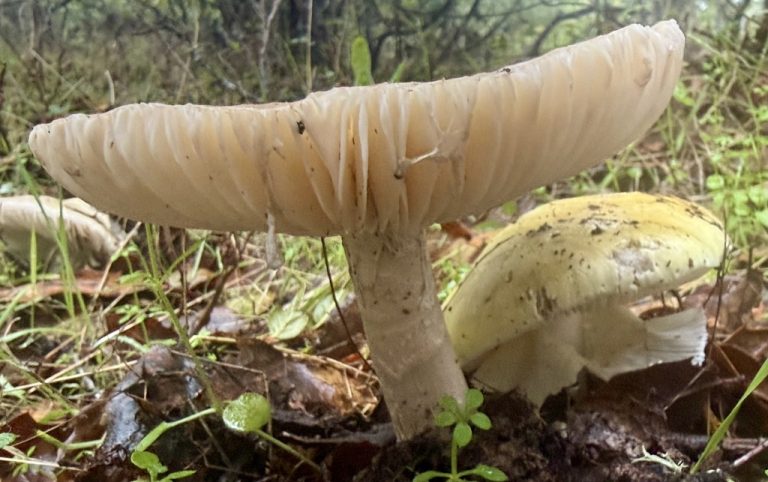
Most mushroom exposures are mild, but the deadliest species often cause symptoms late. Learn the main types of mushroom poisoning, who is most at risk and exactly what to do if someone eats a wild mushroom.
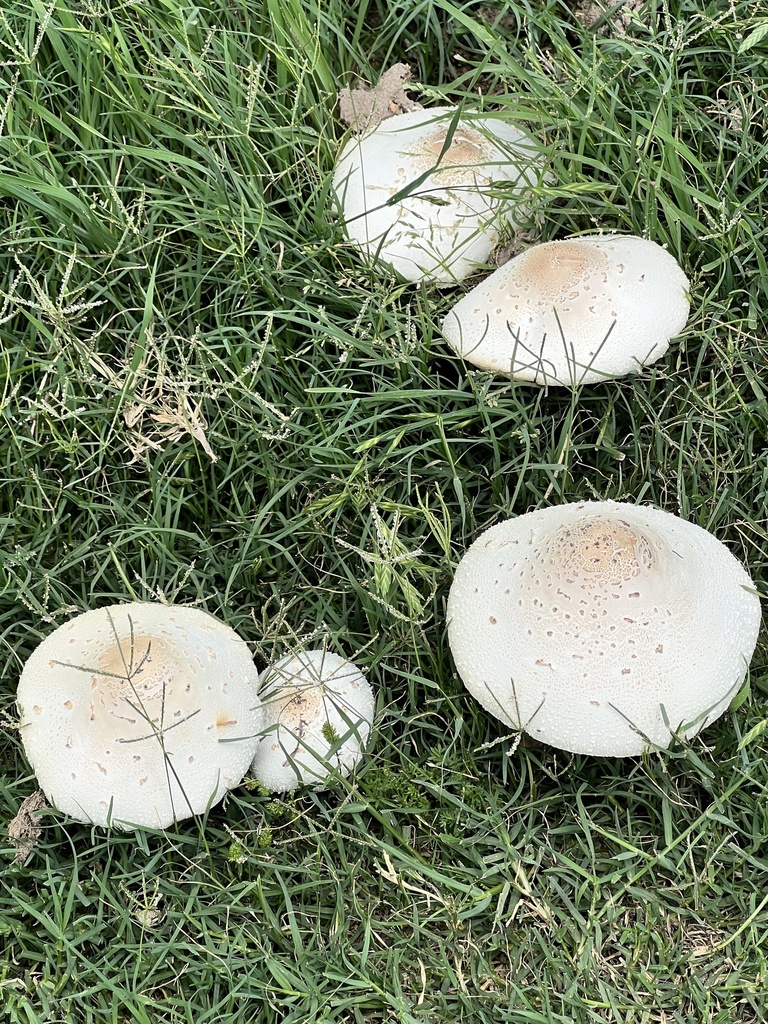
Mushroom ID apps are popular with new foragers, but studies from poison centres found they often misidentify toxic species. Here's what the research shows and how to use apps safely.
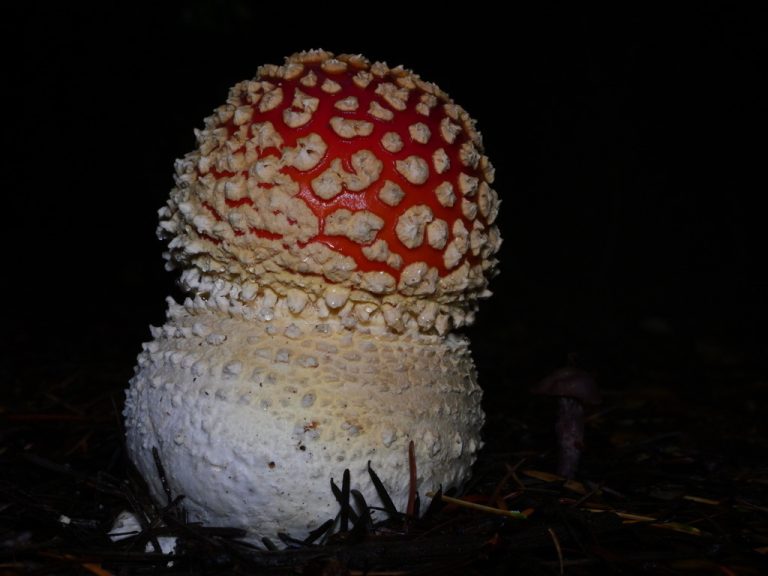
The red-and-white fly agaric is poisonous, yet it has turned up in "microdosing" gummies. Here's how to recognise it, what the FDA and CDC found, and what to do if someone eats it.