Physical Address
304 North Cardinal St.
Dorchester Center, MA 02124
Physical Address
304 North Cardinal St.
Dorchester Center, MA 02124

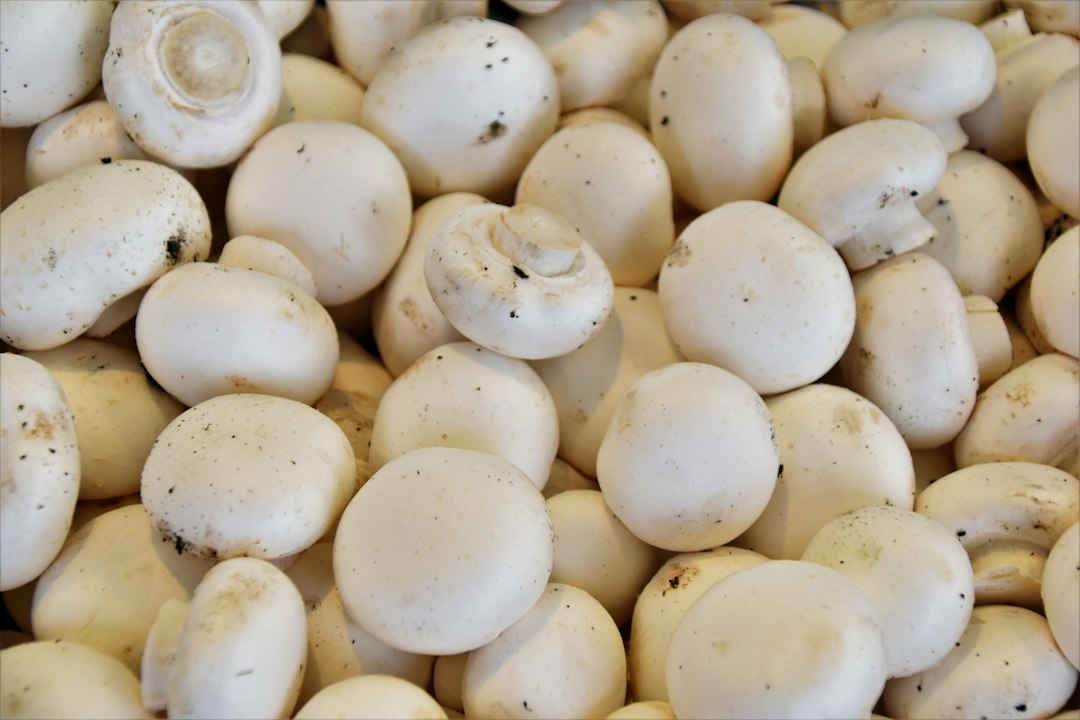
White button, cremini, and portobello mushrooms may look like separate varieties in the grocery store, but they are all market forms of the same cultivated
White button, cremini, and portobello mushrooms may look like separate varieties in the grocery store, but they are all market forms of the same cultivated species: Agaricus bisporus. The main differences come from maturity, colour, size, and how the mushrooms are harvested and sold.
White button mushrooms are typically harvested young with pale caps. Cremini (often called baby bella) are brown forms harvested at a later stage, while portobellos are larger, mature brown mushrooms with broad caps. Commercial names can vary by region and retailer.
White buttons have a mild flavour and firm bite, making them versatile in salads and everyday cooking. Cremini are often described as earthier, while mature portobellos have a larger cap and substantial texture that works well grilled, roasted, or stuffed. Growing conditions and freshness also affect flavour.

Slice buttons and cremini evenly for quick sautés, or roast them to concentrate flavour. For portobellos, remove excess moisture and cook the cap until tender. Avoid crowding the pan: mushrooms release water, and too many at once can steam instead of brown. Clean just before use and trim damaged portions.

All three can contribute fibre and several micronutrients to meals, but exact nutrition depends on serving size and preparation. Refrigerate fresh mushrooms in breathable packaging and avoid leaving them damp in a sealed container. Discard mushrooms that are slimy, mouldy, or have an off smell.

Button mushrooms need a prepared compost-based substrate and usually a casing layer, so the process differs from oyster mushrooms on straw or shiitake on logs. A kit with clear instructions is the most approachable starting point. Penn State Extension’s mushroom resource explains common cultivated types and production basics.
Are cremini and portobello different species? No, they are forms of Agaricus bisporus. Can I swap them in recipes? Usually yes, but adjust cooking time for size and moisture. Can I eat them raw? Cooking is a reliable way to improve texture and flavour.
Continue with Turkey Tail: The Colorful Mushroom Studied for Immune Support or Morels: Why Foragers Obsess Over This Spring Treasure. For a beginner-friendly overview, read Best Mushrooms to Grow at Home and browse the Nature and Food categories.


[…] Wood ear mushrooms are easy to appreciate once you understand their role. They are not meant to dominate a dish; they bring a distinctive, resilient crunch. Buy a clearly labeled product, rehydrate dried pieces safely, trim them well, cook thoroughly, and use bold seasonings to complement their mild flavor. To compare another specialty mushroom, read our guide to button, cremini, and portobello mushrooms. […]
[…] more species profiles: oyster mushrooms, shiitake mushrooms, lion’s mane, button, cremini, and portobello mushrooms, and chanterelle mushrooms. Each variety has its own texture, habitat, handling needs, and culinary […]
[…] more species profiles: oyster mushrooms, shiitake mushrooms, lion’s mane, button, cremini, and portobello mushrooms, and chanterelle mushrooms. Each variety has its own texture, habitat, handling needs, and culinary […]