Physical Address
304 North Cardinal St.
Dorchester Center, MA 02124
Physical Address
304 North Cardinal St.
Dorchester Center, MA 02124

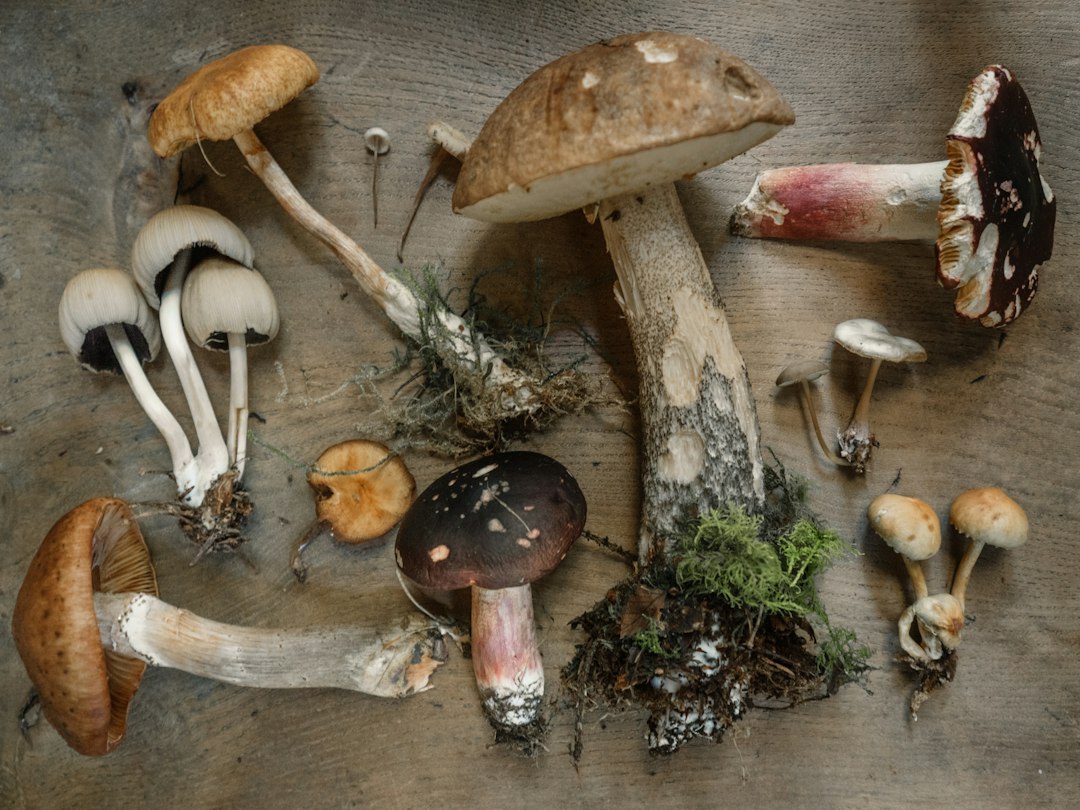
Discover the best mushrooms to grow at home, from beginner-friendly oyster kits to shiitake logs, lion’s mane blocks, and easy growing tips.
The best mushrooms to grow at home depend on how much space you have, how quickly you want a harvest, and whether you prefer an indoor kit or an outdoor garden bed. The good news is that you do not need a farm or a greenhouse: a ready-to-fruit kit can fit on a shelf, while a shaded garden corner can support slower, longer-term projects.
One important difference from growing vegetables: mushrooms are fungi, not plants. You usually start with mushroom spawn or a kit containing living mycelium—not seeds—and grow it on a suitable material called a substrate. For most first-timers, oyster mushrooms are the easiest place to begin.
Oyster mushrooms (Pleurotus species) are an excellent first choice because they grow quickly, are widely available as kits, and can fruit on prepared straw or sawdust-based substrates. Their fan-shaped caps often grow in attractive clusters. Depending on the strain and conditions, they may be cream, grey, blue, pink, or another colour.
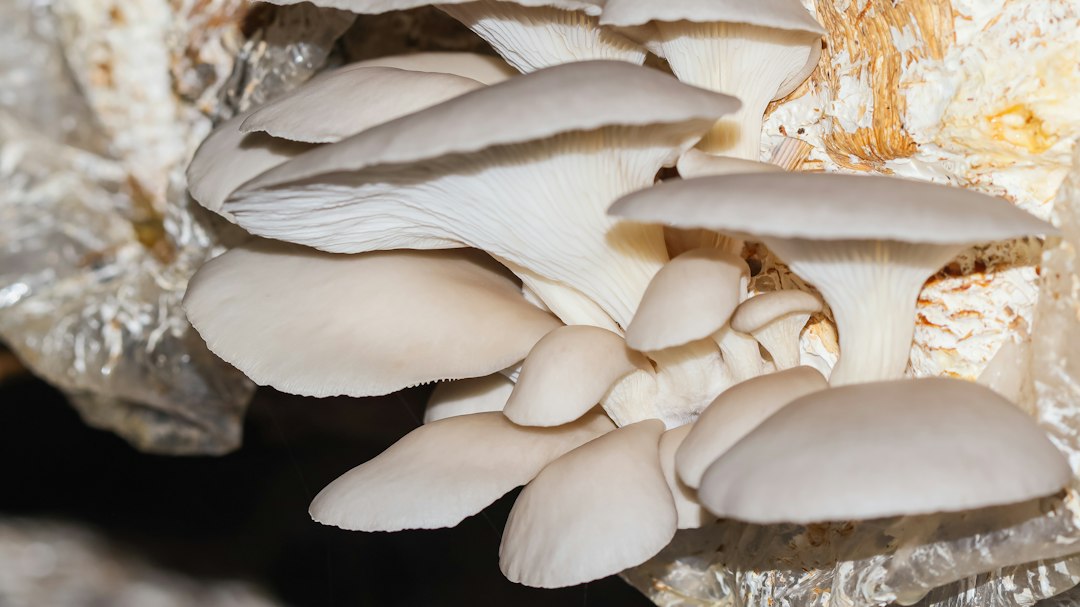
Best growing method: Start with a ready-to-fruit kit if you want the simplest process. Follow its instructions for opening, misting, humidity, and fresh-air exchange; kits differ, so avoid applying one set of timings to every product. More experienced growers can inoculate properly prepared straw or a suitable sawdust substrate with oyster mushroom spawn.
Space and difficulty: A small, clean indoor area is enough, but the mushrooms need moisture and fresh air. If the room is very dry, a kit may need more attention. Harvest clusters while the caps are still tender and before they become overly curled or dry, following the kit maker’s advice.
Choose oyster mushrooms if: you want an approachable project, quick feedback, and a variety that works well in sautés, soups, noodles, and stir-fries. The University of Florida’s guide to growing mushrooms at home also recommends oyster mushrooms as a good option for first-time growers.
Shiitake (Lentinula edodes) is known for its savoury flavour and firm texture. It is especially appealing if you have a shaded outdoor spot and enjoy a project that develops over time. Shiitake can be grown on suitable hardwood logs inoculated with spawn, or on prepared sawdust blocks designed for mushroom cultivation.
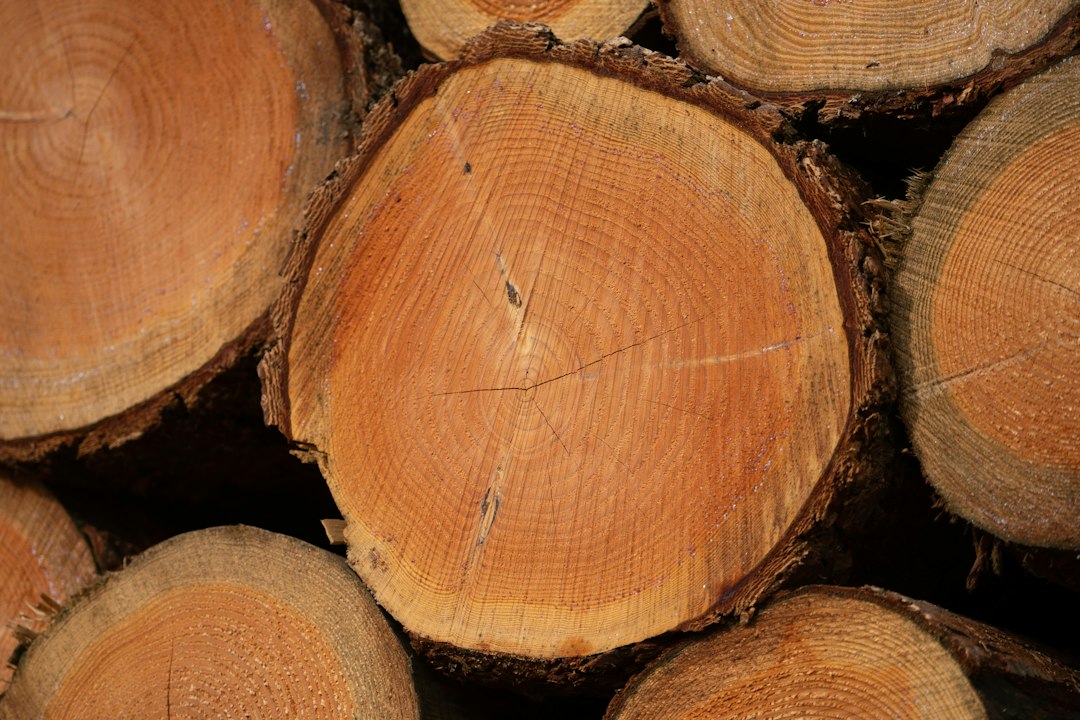
Best growing method: A ready-to-fruit sawdust block is more convenient for indoor growing. Log cultivation needs the correct hardwood, fresh and healthy logs, appropriate spawn, and a shaded place where the wood will not dry out. Log projects are usually slower than countertop kits, so think of them as a longer-term harvest rather than an instant result.
Space and difficulty: Moderate. Logs need outdoor space and patience; blocks need stable conditions specified by the supplier. Do not use wood treated with paint, preservatives, or other chemicals. For practical cultivation background, see Cornell Small Farms’ mushroom-growing resource.
Choose shiitake if: you want a classic culinary mushroom and are happy to wait longer for an outdoor log project or prefer a prepared block indoors.
Lion’s mane (Hericium erinaceus) is easy to recognise by its white, cascading spines rather than a typical flat cap. It is prized by cooks for its tender texture and ability to take on flavour. For home growers, a ready-to-fruit block is usually the simplest way to try it.
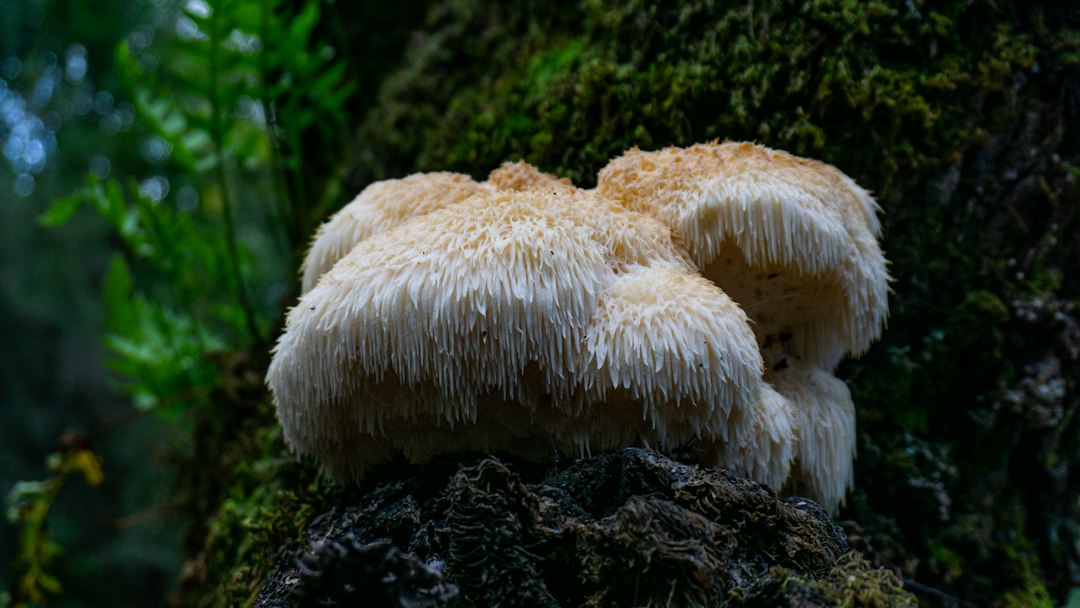
Best growing method: Use a kit or a fully colonised block made for lion’s mane. Pay attention to humidity and fresh-air exchange, because the shape and quality of the fruiting body can suffer when conditions are unsuitable. Follow the supplier’s temperature range rather than assuming all mushroom kits need identical conditions.
Space and difficulty: Beginner to intermediate with a prepared kit. It is a good next step after oyster mushrooms, especially if you want to experiment with a different texture and appearance. Buy spawn from a reputable mushroom supplier and make sure the species is clearly labelled.
Choose lion’s mane if: you want a visually unusual edible mushroom and are willing to monitor humidity and fresh air a little more carefully than a basic kit might require.
White button, cremini, and portobello mushrooms are different market forms of the same species, Agaricus bisporus, harvested at different stages of maturity. They are familiar, versatile choices for home cooks, but growing them from scratch can be less straightforward than opening an oyster mushroom kit.
These mushrooms generally use a prepared compost-based substrate and a casing layer, so the growing process has different requirements from oyster mushrooms on straw or shiitake on logs. For a first attempt, choose a reputable button-mushroom kit that includes the substrate and clear instructions. It is often easier to learn the basics with oysters first, then try button mushrooms once you are comfortable managing moisture and cleanliness.
Wine cap mushrooms (Stropharia rugoso-annulata) are worth considering if you have a garden or outdoor growing area. They can grow in beds mulched with suitable wood chips or straw, making them a different kind of project from an indoor kit. Cornell’s urban-farming resource lists wine cap among the edible mushrooms that can be grown in wood-chip or straw-mulched beds.
Best growing method: Follow a specialist supplier’s directions for the spawn, wood chips or straw, moisture, and bed preparation. Use clean materials from a known source and choose a location where you can keep the bed moist without waterlogging it. Local climate matters, so check that the strain and method suit your area.
Space and difficulty: Best for a garden, patio edge, or other outdoor growing area—not a typical kitchen shelf. Choose wine caps if you prefer to build a small edible-mushroom bed instead of tending an indoor fruiting block.
The simplest starter setup is a ready-to-fruit kit for a species such as oyster mushrooms. Most of the work of preparing and inoculating the growing material has already been done for you. Before buying anything, check the kit’s species, expected temperature range, harvest instructions, and whether it is meant for indoor or outdoor use.
You do not generally need bright sunlight to make mushrooms grow: unlike green plants, fungi do not photosynthesise. However, species-specific light, air, temperature, and humidity requirements still matter. For a more detailed beginner overview, read Utah State University Extension’s guide to growing mushrooms at home. The University of Vermont Extension overview of home mushroom kits is another useful reference for getting started with prepared blocks.
Oyster mushrooms are a common beginner recommendation, especially when you start with a ready-to-fruit kit. The kit reduces the amount of substrate preparation and sterile technique needed for a first harvest.
Yes. Mushrooms do not need sunlight for photosynthesis like plants do, but many still benefit from appropriate ambient light and require the correct temperature, humidity, and fresh-air conditions for the chosen species.
Most cultivated edible mushrooms need a species-appropriate substrate rather than ordinary potting soil. Oyster mushrooms may grow on prepared straw or sawdust, shiitake on hardwood logs or blocks, and button mushrooms on a prepared compost-based medium.
It depends on the species, whether you use a ready-to-fruit kit or start from spawn, and the conditions in your home. Some kits can produce a first crop within a few weeks, while log-grown shiitake usually requires a longer wait. Use the supplier’s timing as a guide rather than a guarantee.
For most beginners, oyster mushrooms are the best mushrooms to grow at home because a prepared kit makes the process manageable and gives you a chance to learn how humidity, airflow, and harvest timing work. Once you have had success, try lion’s mane for a gourmet indoor project, shiitake for a longer-term block or log, or wine cap if you have a suitable outdoor bed.
Keep your first project simple, use correctly labelled edible spawn, and follow species-specific instructions. For more ideas, browse The Mushroomy’s Food and Nature sections.


[…] or Shiitake 101: History, Flavor, and Why Chefs Love It. For a beginner-friendly overview, read Best Mushrooms to Grow at Home and browse the Nature and Food […]