Physical Address
304 North Cardinal St.
Dorchester Center, MA 02124
Physical Address
304 North Cardinal St.
Dorchester Center, MA 02124

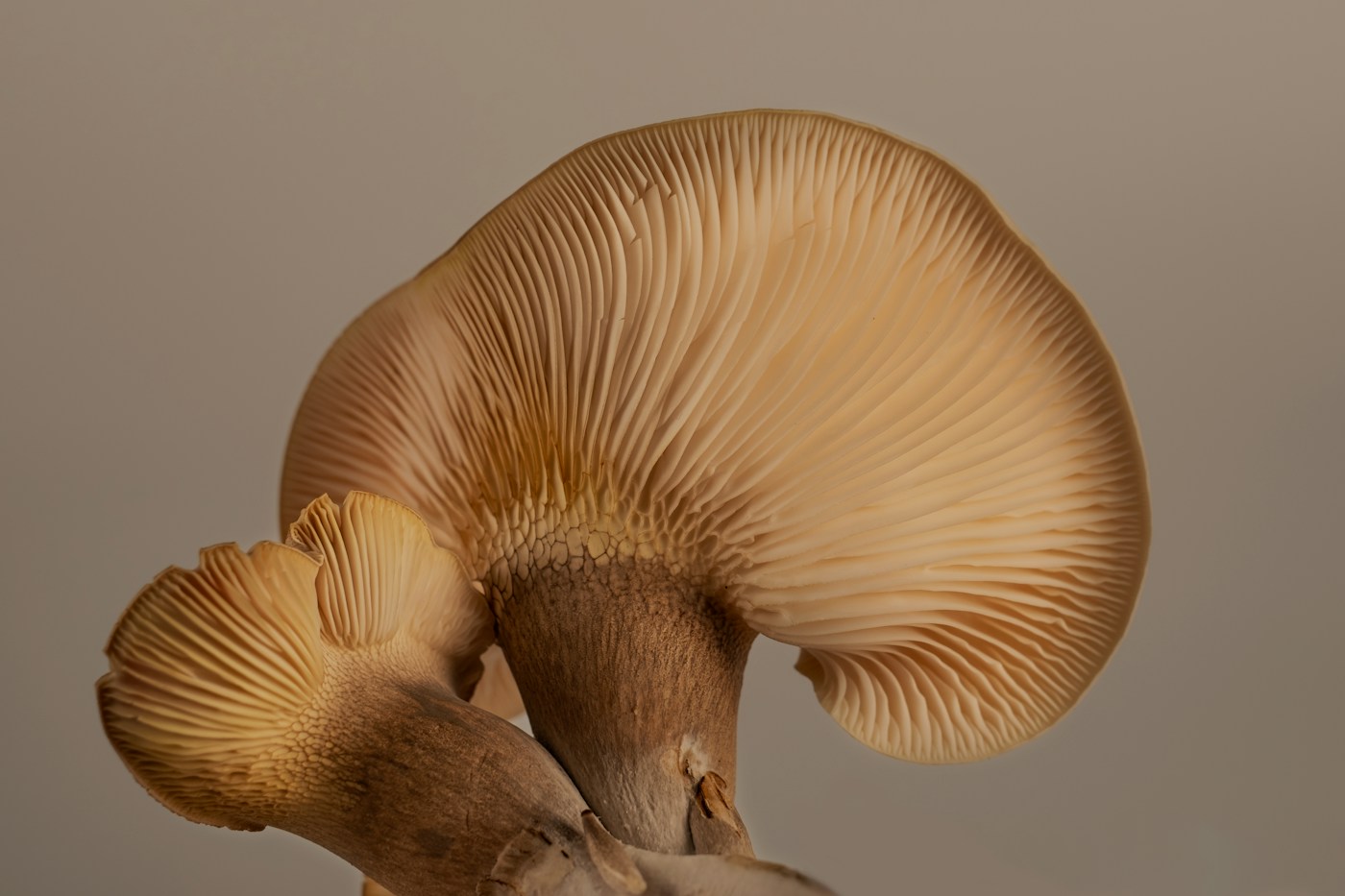
Explore king oyster mushrooms (Pleurotus eryngii), including their thick stems, savory flavor, cooking techniques, storage, and beginner growing basics.
King Oyster Mushrooms is the focus of this practical guide. Learn about its appearance, flavor, preparation, storage, and common questions. Wild mushroom identification requires qualified local expertise; this article is educational and does not replace expert identification or medical advice.

King oyster mushrooms (Pleurotus eryngii) are prized for their thick, firm stems and relatively small caps. Unlike the broad fan-shaped caps of many oyster mushrooms, king oysters often look like sturdy white cylinders topped with tan or brown caps. Their dense texture makes them especially versatile in recipes where the mushroom is meant to be the main ingredient rather than a background flavor.
The species belongs to the oyster mushroom group, but its shape and bite set it apart. It is used widely in East Asian cooking and has become popular in plant-forward cuisine because thick slices can be seared, grilled, roasted, or cut into scallop-like rounds. The resemblance is visual and textural, not a claim that mushrooms are nutritionally or chemically the same as meat or seafood.
King oyster mushrooms are commercially cultivated, making them more accessible and consistent than many wild mushrooms. For home cooks and growers, their distinctive shape, culinary flexibility, and established cultivation methods make the species worth exploring. The best results come from understanding how the thick stem behaves differently from the softer cap.
King oysters have a mild, savory, slightly nutty flavor. Their stems are dense and juicy, while the caps are softer and cook faster. Because the stems are thick, they can develop a browned exterior while staying tender inside, provided they are sliced appropriately and cooked with enough heat.
The flavor is not as forceful as shiitake, so king oysters work well with sauces, marinades, herbs, and spices. They absorb seasoning while still providing enough structure for grilling and roasting. A little salt and oil may be all that is needed for a simple side dish; a glaze can be added near the end to avoid preventing browning.
Standard oyster mushrooms usually cook quickly and have a tender, layered texture. King oysters are firmer and more substantial. Use standard oysters for fast stir-fries and king oysters when you want thick slices, skewers, or a structured presentation. They can also be combined in a mixed mushroom dish to add variety in texture.

Choose mushrooms with firm, unbroken stems and caps that are not wet, slimy, or collapsing. The surface should look fresh, and the aroma should be mild and earthy. Avoid packages with large pools of liquid or sour odors. If you are cooking several mushrooms together, specimens of similar thickness will finish at roughly the same time.
Keep king oysters refrigerated and follow the package instructions. Store them in a breathable container or their original packaging as directed rather than sealing damp mushrooms in an airtight container. Use them while firm and fresh; shelf life depends on how recently they were harvested and how cold they have been kept.
Trim the dry end of the stem. Brush away visible dirt and rinse briefly only if needed, then dry well. Peeling is usually unnecessary. The thick stem is the star of this mushroom, so do not discard it simply because it looks different from the cap. Cut it into planks, coins, or cubes depending on the recipe.
For a simple sear, slice the stems lengthwise or into thick coins. Pat the surfaces dry, heat a pan, add a modest amount of oil, and arrange the pieces in one layer. Let them brown before turning. Add garlic, pepper, thyme, soy sauce, or a little butter near the end so the aromatics do not burn while the mushrooms release moisture.
For grilling, cut the stems into long planks or thick rounds, brush lightly with oil, and season. Use a hot, clean grate and turn as needed until the mushrooms are tender and marked. For roasting, spread them evenly on a tray and avoid overcrowding. The goal is to evaporate moisture and develop color, not to steam the pieces.
King oysters also work in stir-fries. Cut them into bite-sized pieces, brown them first if possible, then add vegetables and sauce. Because they are thicker than many mushrooms, give them a head start before adding fast-cooking greens. Cook until hot and tender throughout, and use the caps as well rather than leaving them behind.

For two servings, start with two or three king oyster mushrooms, a little neutral oil, one chopped garlic clove, a splash of soy sauce, black pepper, and sliced scallion. Slice the stems into planks or thick coins and pat them dry. Heat the pan, add oil, and brown the mushroom pieces on both sides before seasoning.
Lower the heat, add garlic, and stir briefly until fragrant. Add soy sauce and a spoonful of water if needed to create a light glaze. Turn the pieces to coat, then finish with black pepper and scallion. Avoid adding too much sauce at the start, because liquid on the surface slows browning and can make the mushrooms soft.
Serve with rice, noodles, greens, or tofu. For a brighter finish, add a little lemon juice or rice vinegar after cooking. This basic method can be adapted with chili crisp, ginger, sesame, herbs, or a small amount of miso. Adjust the salt level to account for the soy sauce and any side dishes.
King oyster mushrooms can be cultivated, but success depends on clean spawn, suitable substrate, and appropriate growing conditions. Many home growers begin with a ready-to-fruit block from a reputable supplier, reducing the number of variables. Growing from scratch requires more knowledge of substrate preparation, inoculation, contamination prevention, humidity, fresh-air exchange, and temperature.
The mushroom develops a thick stem under particular environmental conditions. Light, airflow, humidity, temperature, and carbon dioxide levels influence its form, so follow the supplier’s instructions rather than assuming all oyster species need identical treatment. Small changes can produce a different cap-to-stem ratio, and fruiting conditions that suit one strain may not suit another.
Keep the growing area clean and avoid inhaling spores from mature fruiting mushrooms. If a block develops unusual colored mold, an unpleasant odor, or other signs of contamination, isolate it and follow safe disposal guidance. Do not eat mushrooms from a contaminated block just because some fruiting bodies look normal.
For a first grow, document the conditions and results. Record when pins appear, how quickly the mushrooms develop, and whether the stems remain firm. These notes are more useful than changing several variables at once. A kit is an introduction to observation and hygiene, not a guarantee of a large harvest.
King oyster mushrooms are generally low in calories when prepared without large amounts of oil and contribute fiber and micronutrients. Their thick texture can make a dish feel substantial, but they are not nutritionally identical to meat and should not automatically be treated as a complete protein replacement. Pair them with beans, tofu, lentils, eggs, or other protein sources when building a balanced meal.
The most important nutrition variables in a finished dish often include portion size, oil, salt, breading, and sauce. A lightly seared mushroom with vegetables differs substantially from a deep-fried or heavily salted preparation. Use mushrooms as one part of an overall eating pattern rather than attributing medical effects to a single ingredient.
Be cautious about online claims that king oyster mushrooms burn fat, treat disease, or guarantee a specific health result. A mushroom can be a useful ingredient without being a medical treatment. For general nutrition questions, prioritize reputable public-health and university resources over supplement marketing or social-media anecdotes.
Some cooks slice the stems into rounds and sear them to create a scallop-like shape. The resemblance is visual and textural, not exact: mushrooms do not have the same taste, nutrition, or structure as seafood. This can still be a useful technique for a plant-forward meal, especially when seasoning and browning are handled well.
For a chewy, substantial bite, cut thick coins and avoid overcooking them in liquid. For a softer texture, slice thinner and add them to a saucy dish. If serving guests with food allergies, remember that mushrooms are fungi and are not a substitute that is automatically safe for every diet.
A marinade can add flavor, but it cannot replace good cooking technique. Dry the surface, sear in a hot pan, and add a glaze only after color develops. If the pan is crowded, work in batches. The browned edges provide much of the appeal, while the interior should remain tender rather than dry.
Can you eat the whole king oyster mushroom? The stem and cap are both edible when fresh and properly cooked; trim only the dry or damaged base. Do king oyster mushrooms need peeling? Usually not. How do you stop them becoming watery? Dry them well and avoid overcrowding the pan. Are they beginner-friendly to grow? They are possible for beginners using a ready-to-fruit kit, though environmental control matters.
Can king oyster mushrooms be eaten raw? They are typically cooked, and cooking improves texture and flavor. How should they be stored? Keep them refrigerated and use them while firm and fresh. Are they the same as regular oyster mushrooms? They are related but belong to a different species and have a much thicker stem.
King oyster mushrooms offer a practical bridge between everyday cooking and gourmet ingredients. Their firm stems, mild flavor, and broad range of cooking methods make them easy to experiment with, whether you are searing a quick side dish or learning the basics of mushroom cultivation. For a broader introduction, compare them with our guide to oyster mushrooms.
Explore the related guides to enoki mushrooms, maitake mushrooms, truffles, and wood ear mushrooms. Explore more species profiles:oyster mushrooms, shiitake mushrooms, lion’s mane, button, cremini, and portobello mushrooms, and chanterelle mushrooms. Each variety has its own texture, habitat, handling needs, and culinary uses.