Physical Address
304 North Cardinal St.
Dorchester Center, MA 02124
Physical Address
304 North Cardinal St.
Dorchester Center, MA 02124

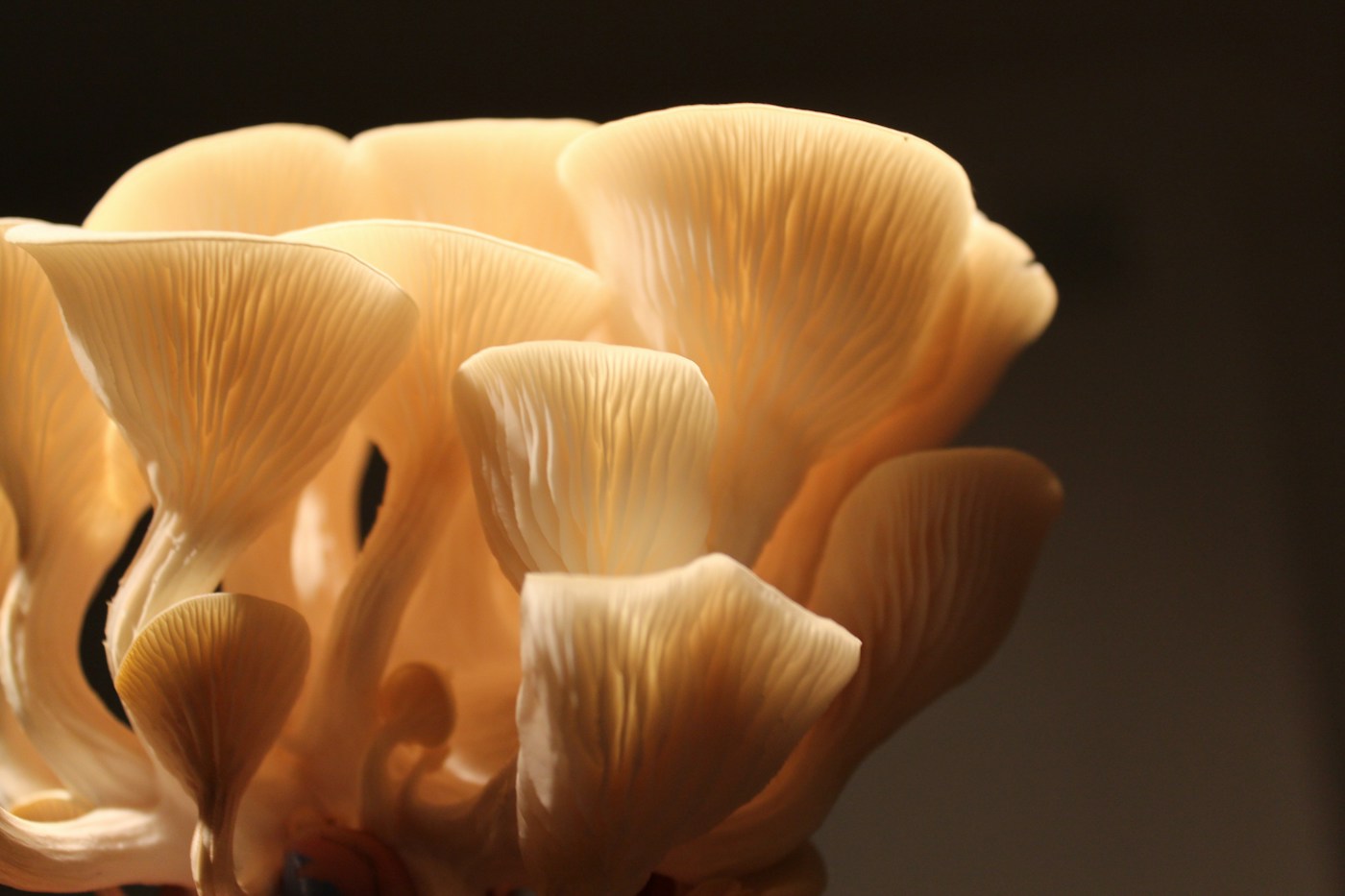
Learn what enoki mushrooms are, how to buy and store them, their texture and flavor, popular East Asian recipes, nutrition, and safe preparation tips.
Enoki Mushrooms is the focus of this practical guide. Learn how to recognize commercially sold specimens, understand flavor and texture, prepare them safely, and choose the right cooking method. This article is educational and does not replace expert identification or medical advice.

Enoki mushrooms are small, delicate edible fungi best known for their long, slender white stems and tiny caps. In shops they are often sold in compact bunches with the stems joined at the base. Their appearance makes them easy to recognize in the produce aisle, and their mild flavor lets them fit into soups, hot pots, noodle dishes, stir-fries, and salads.
The cultivated form commonly sold as enoki is Flammulina velutipes. Wild forms look quite different: they can have darker caps and shorter stems, so a photograph of supermarket enoki should never be used as a guide to identify wild mushrooms. For home cooking, buy commercially cultivated enoki from a reputable food retailer rather than collecting lookalikes outdoors.
Enoki are popular in Japanese, Korean, and Chinese cooking, although recipes vary by region and household. Their appeal is less about a powerful mushroom aroma and more about their crisp-tender texture, neat strands, and ability to absorb the flavors of broth, soy sauce, sesame, garlic, and chili.
Raw enoki have a mild, lightly earthy aroma, but they are typically eaten cooked. Brief cooking softens the stems while leaving a pleasant bite; longer simmering makes them more tender. Because the stems are thin, they cook quickly and can become limp if left in a pot long after the other ingredients are ready.
Compared with shiitake, enoki are less intensely savory. Compared with oyster mushrooms, they are much thinner and form more of a bundle than broad individual caps. That difference is useful when choosing a mushroom for a recipe: enoki are ideal when you want strands distributed through a soup or a delicate topping, while thick mushrooms suit recipes that depend on a browned, meaty bite.
Their mildness also means seasoning matters. A simple broth with ginger, scallions, and soy can bring out their flavor without overwhelming it. For a richer finish, add sesame oil or a little miso near the end of cooking.

Look for firm, clean stems and small caps that are intact. The bunch should smell fresh and mild rather than sour, fermented, or unpleasant. Avoid packages with excessive liquid, slimy surfaces, widespread dark discoloration, or obvious mold. Some natural variation in cap size is normal, but a wet, collapsing bunch is not a good choice.
Check the package date and storage instructions, and keep the mushrooms refrigerated. Enoki are fragile compared with sturdier varieties, so buy an amount you expect to use soon. If the package is sealed, follow its directions about whether to keep it sealed until use; once opened, transfer the mushrooms to a clean container if needed and use them promptly.
Do not wash mushrooms long before storing them. Extra moisture can speed deterioration. When ready to cook, trim off the dense root end where the stems are joined, separate the strands, and rinse briefly under cool running water if needed. Pat or drain them so excess water does not dilute a stir-fry or sauce.
A basic preparation routine is simple: remove the root base, separate the stems into smaller bundles, inspect for debris, and rinse shortly before cooking. Enoki do not need peeling. Keep the strands in manageable portions so they heat evenly, and add them late enough that they retain some texture.
For soup, add enoki during the final few minutes of simmering. For hot pot, separate a small bundle and cook it fully in the bubbling broth before eating. For a quick stir-fry, cook the other vegetables or protein first, then add enoki near the end with a splash of sauce. They release moisture, so avoid overcrowding the pan if you want a less watery result.
A simple weeknight bowl can combine enoki, tofu, leafy greens, cooked noodles, ginger, and a broth seasoned with soy sauce. For a Korean-inspired side dish, quickly cook the mushrooms and finish with scallion, sesame seeds, and a little sesame oil. These are flexible starting points, not rigid traditional recipes; adjust salt, heat, and aromatics to your taste.

1. Enoki miso soup: prepare a light dashi or vegetable broth, dissolve in miso off the boil, then simmer enoki and sliced scallion until cooked. Avoid boiling miso aggressively after adding it, because the aroma can become less delicate.
2. Hot-pot bundles: keep enoki in small clusters and cook them in a simmering hot-pot broth with tofu, greens, and thinly sliced ingredients. Make sure each bundle is fully cooked before serving, especially when sharing a pot.
3. Garlic-soy enoki: cook the strands in a hot pan with a little oil, then add garlic and a measured splash of soy sauce. Because the mushrooms are fine, the dish takes only a short time; remove it from the heat as soon as the stems are cooked through.
Enoki, like many edible mushrooms, contribute water, fiber, and small amounts of several micronutrients while being relatively low in calories when prepared without heavy sauces or large amounts of oil. Exact nutrition depends on the variety, growing conditions, serving size, and preparation. A mushroom dish can be part of a balanced diet, but no single mushroom should be treated as a cure or substitute for medical care.
Research on mushroom compounds is an active area, but laboratory findings do not automatically prove that eating a normal serving produces a specific health outcome in people. Be especially skeptical of products or posts claiming that enoki prevents, treats, or cures disease. For a useful overview of edible mushroom nutrition and food safety, consult reputable public-health or university extension resources rather than supplement marketing.
A key practical point is that enoki should be cooked thoroughly before eating. Public-health agencies have linked raw or undercooked enoki to foodborne illness outbreaks, including Listeria infections. Keep them refrigerated, avoid cross-contamination between raw produce and ready-to-eat food, wash hands and utensils, and cook them until steaming hot throughout.
Pregnant people, older adults, and people with weakened immune systems should be particularly careful about food-safety advice for ready-to-eat and raw foods. Do not assume that a quick rinse makes raw enoki safe. Follow current advice from your local food-safety authority, and discard mushrooms that are spoiled or have been stored outside safe conditions for too long.
If you are serving enoki in a shared hot pot, make sure each portion is cooked rather than merely dipped briefly. Keep raw ingredients separate from cooked foods and use clean serving utensils.
Enoki are best when a recipe benefits from thin strands and a delicate bite. Shiitake contribute a deeper, more pronounced savory flavor. Oyster mushrooms are tender and broad, making them good for searing or roasting. Button mushrooms are versatile and familiar, but they do not provide the same noodle-like shape. These varieties can complement one another in soups and mixed mushroom dishes.
If you are new to specialty mushrooms, enoki are approachable because they cook quickly and are easy to portion. Start with a soup or stir-fry, where the broth or sauce can carry the flavor. Once you know how quickly they soften, you can experiment with toppings, noodle bowls, and hot-pot meals.
Store enoki in the refrigerator and follow the package instructions. Use them while they are firm and fresh; exact shelf life varies with harvest date, packaging, and refrigerator temperature. Do not rely on a fixed number of days if the mushrooms look or smell spoiled.
Can enoki be eaten raw? It is safest to cook enoki thoroughly rather than eat them raw. Do enoki taste strong? No; their flavor is mild, which makes them useful in seasoned broth and sauces. Can you freeze fresh enoki? Freezing can change texture, so they are usually best cooked fresh; if you choose to freeze them, expect a softer result after thawing.
The main takeaway is straightforward: choose fresh enoki, trim and clean them just before cooking, add them late enough to preserve texture, and cook them thoroughly. With those basics in place, this delicate mushroom can add interest to everyday soups, noodles, and hot-pot dishes.
Continue exploring our guides to maitake mushrooms, king oyster mushrooms, truffles, and wood ear mushrooms, plusoyster mushrooms, shiitake mushrooms, lion’s mane, button, cremini, and portobello mushrooms, and chanterelle mushrooms. Each species has its own appearance, flavor, handling needs, and best uses in the kitchen.