Physical Address
304 North Cardinal St.
Dorchester Center, MA 02124
Physical Address
304 North Cardinal St.
Dorchester Center, MA 02124

Get to know wood ear mushrooms (Auricularia): their crunchy texture, dried and fresh forms, preparation methods, Asian recipes, nutrition, and safety basics.
Wood Ear Mushrooms is the focus of this practical guide. Learn about its appearance, flavor, preparation, storage, and common questions. Wild mushroom identification requires qualified local expertise; this article is educational and does not replace expert identification or medical advice.

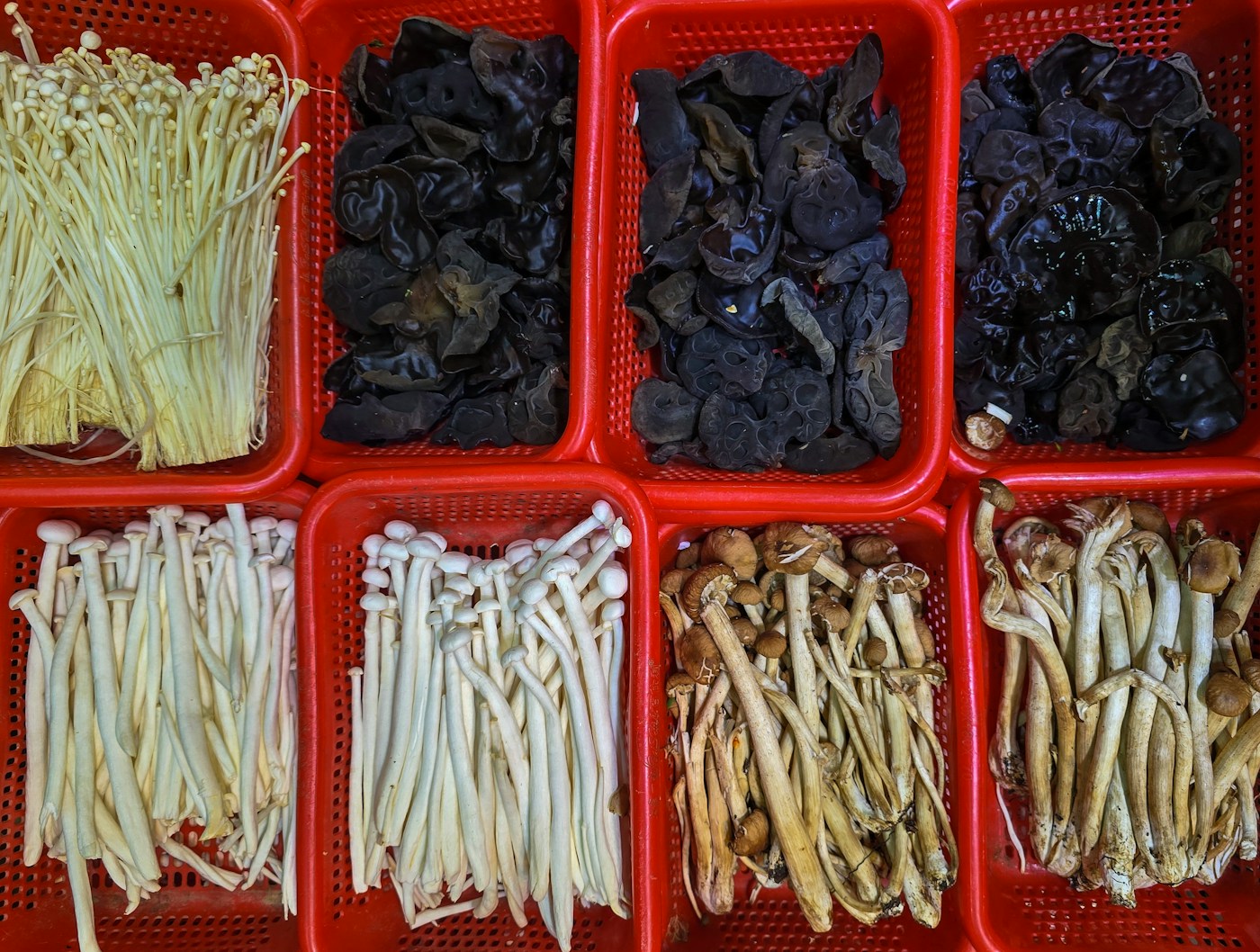
Wood ear mushrooms are edible fungi in the genus Auricularia. Their common name describes their ear-like shape and flexible, rubbery texture. Depending on species, age, moisture, and growing conditions, they can be brown, dark reddish-brown, or nearly black, with a thin, folded, gelatinous-looking surface.
They are used in many Chinese and other East Asian dishes, often for texture rather than a powerful flavor. Wood ear has a mild, earthy taste and a pleasant crunch when cooked correctly. It can add contrast to soups, stir-fries, dumplings, salads, and braised dishes.
Fresh and dried forms are sold in different markets. Dried wood ear is especially common because it stores well and rehydrates into a larger, flexible piece. The exact species sold under the common name can vary, so packaged food labels and supplier descriptions are more reliable than assuming all wood ear products are identical.
Wood ear does not behave like a thick button mushroom or a meaty king oyster. It is thin, springy, and slightly crisp. In soup, it keeps some bite; in a stir-fry, it offers a crunchy contrast to softer vegetables, tofu, noodles, or meat. Its mild flavor makes it a supporting ingredient that takes on the seasoning of the dish.
The texture is the main reason it appears in dishes such as hot-and-sour soup, vegetable stir-fries, and mixed mushroom preparations. A small handful can change the feel of a dish without making it taste strongly mushroomy. It pairs well with ginger, garlic, scallion, soy sauce, vinegar, sesame, chili, and white pepper.
If you expect a deep umami flavor, you may be surprised by how subtle wood ear is. Combine it with more aromatic ingredients or other mushrooms when you want a stronger overall flavor. Think of it as a textural ingredient, much like bamboo shoots or cloud ear in some recipes.

Fresh wood ear is usually sold refrigerated and should look moist but not slimy, with a clean smell and intact texture. Dried wood ear is lightweight, wrinkled, and often dark brown or black. The dried form needs soaking and trimming before it is used in most recipes.
Dried pieces expand considerably when rehydrated, so start with less than you think you need. Place them in clean water according to the package directions, then check that they have softened throughout. Thick stems or hard attachment points can remain tough and should be trimmed away. Rinse and inspect the pieces carefully because folds can trap grit.
Do not leave dried mushrooms soaking at room temperature for extended periods. Follow package instructions and safe food-handling guidance; if a recipe calls for a long soak, use refrigeration where appropriate. Discard any rehydrated mushrooms that smell off or feel slimy in a way that suggests spoilage.
For dried wood ear, begin by measuring a small portion and soaking it in clean water until pliable. Drain it, rinse thoroughly, and inspect each piece. Trim off tough attachment points and cut large pieces into bite-sized strips. The final size should suit the dish: thin strips for soup and salad, larger pieces for a stir-fry.
For fresh wood ear, remove any woody or dirty base and rinse away debris. Pat dry before adding it to a hot pan. Like other mushrooms, wood ear can release moisture, so avoid crowding the pan if you want the other ingredients to sear rather than steam.
Cook wood ear thoroughly as part of the finished dish. Rehydrating makes it pliable, but soaking alone is not the same as cooking. Follow the recipe’s cooking time and any directions on the product label. Use clean hands and utensils, and keep raw ingredients separate from cooked foods.

Hot-and-sour soup: add sliced wood ear with tofu, bamboo shoots, and other vegetables to a seasoned broth. Vinegar and white pepper create the characteristic sharpness, while the mushroom supplies a chewy crunch. Add it early enough to heat through but not so early that it becomes unpleasantly soft.
Garlic and vegetable stir-fry: briefly cook garlic and ginger, add wood ear and crisp vegetables, then season with soy sauce and a little vinegar. Keep the pan hot and use moderate sauce so the mushrooms retain their texture. Serve with rice or noodles for a quick meal.
Cold dressed wood ear: some cuisines serve cooked and cooled wood ear with vinegar, garlic, chili, soy, and sesame. Use mushrooms that have been properly rehydrated and cooked, cool them safely, and refrigerate promptly. Do not leave a prepared salad at room temperature for long periods, especially in warm weather.
Wood ear mushrooms are low in calories in their plain prepared form and can contribute fiber and small amounts of minerals. Nutrition values vary with species, dried versus fresh form, serving size, and added ingredients. The soy sauce, oil, sugar, or other seasoning in a recipe can contribute more sodium or calories than the mushrooms themselves.
Wood ear and other fungi contain polysaccharides and other compounds that scientists study for a range of biological effects. Laboratory or animal findings do not establish that a food portion prevents disease or treats a medical condition in people. Treat health headlines and supplement claims cautiously, particularly when they imply a guaranteed effect.
The most dependable reason to include wood ear in meals is culinary variety: it adds texture and helps make vegetable-rich dishes more interesting. If you have a medical condition or take medicines and are considering concentrated mushroom supplements, consult a healthcare professional rather than relying on food blogs or product marketing.
Buy dried wood ear from a retailer with clear labeling and intact packaging. Store it in a cool, dry place in a sealed container, and protect it from moisture. If the package becomes damp or you see mold or insects, discard it. Follow the product’s best-before date and instructions.
Fresh wood ear should be refrigerated and used promptly. Keep it separate from raw meat and seafood, and use clean utensils. Once cooked, refrigerate leftovers in a shallow container and use them within a safe timeframe recommended by local food-safety guidance. Reheat thoroughly before serving.
Because dried mushrooms expand after soaking, rehydrate only what you need. If you prepare too much, cool it quickly, refrigerate it, and use it promptly rather than repeatedly soaking and draining the same batch over several days. Good storage and clean preparation help preserve texture and reduce food-safety risks.
Wood ear fungi often grow on dead or decaying wood, and their flexible ear-like fruiting bodies can be striking after rain. However, natural variation is wide, and other gelatinous fungi may look similar to an inexperienced observer. Identification should use multiple features and local expertise, not just a common name or a photo match.
Do not collect wild fungi for food unless you have reliable identification from a qualified local expert. A mushroom’s presence on a familiar tree does not automatically make it edible, and cooking cannot make every poisonous species safe. Commercially cultivated or packaged wood ear is the safer choice for routine cooking.
When observing fungi outdoors, avoid damaging living trees or removing more than needed. Take photos, note the substrate and habitat, and learn from a local mycological society. Foraging rules and species distributions vary by region, so guidance should be local and current.
Are wood ear mushrooms the same as black fungus? The names are often used for edible Auricularia products, but common names can cover more than one species. What do they taste like? Their flavor is mild; texture is the main attraction. Do dried wood ear mushrooms need soaking? Yes, they normally need rehydration and trimming before cooking.
Can you eat wood ear raw? It is best to prepare and cook it according to safe handling instructions rather than treating soaking as sufficient. Why are wood ear mushrooms crunchy? Their thin, flexible structure creates a springy bite even after cooking. Are they nutritious? They can contribute fiber and some micronutrients, but no single mushroom should be presented as a cure or treatment.
Wood ear mushrooms are easy to appreciate once you understand their role. They are not meant to dominate a dish; they bring a distinctive, resilient crunch. Buy a clearly labeled product, rehydrate dried pieces safely, trim them well, cook thoroughly, and use bold seasonings to complement their mild flavor. For more species profiles, read our guides to enoki mushrooms, maitake mushrooms, king oyster mushrooms, and truffles. To compare another specialty mushroom, read our guide tobutton, cremini, and portobello mushrooms.
Explore more species profiles: oyster mushrooms, shiitake mushrooms, lion’s mane, button, cremini, and portobello mushrooms, and chanterelle mushrooms. Each variety has its own texture, habitat, handling needs, and culinary uses.