Physical Address
304 North Cardinal St.
Dorchester Center, MA 02124
Physical Address
304 North Cardinal St.
Dorchester Center, MA 02124

Learn how sterilization and pasteurization differ in mushroom cultivation, why substrate recipes need different treatments, and how to avoid common preparation mistakes.
Pasteurization and sterilization are both used to prepare mushroom substrates, but they are not interchangeable terms. They differ in how much microbial life they are intended to control, and the appropriate method depends on the substrate, the mushroom species, and the cultivation workflow. Choosing a method because it sounds more thorough can waste time or create a process that is harder to manage than necessary.
Substrate contains nutrients and moisture that support mushroom mycelium, but it can also support bacteria, moulds, and other fungi. Preparation aims to give the intended mushroom a suitable starting advantage. It does not make every substrate permanently immune to contamination: clean handling, healthy spawn, appropriate moisture, and good environmental conditions still matter after treatment.
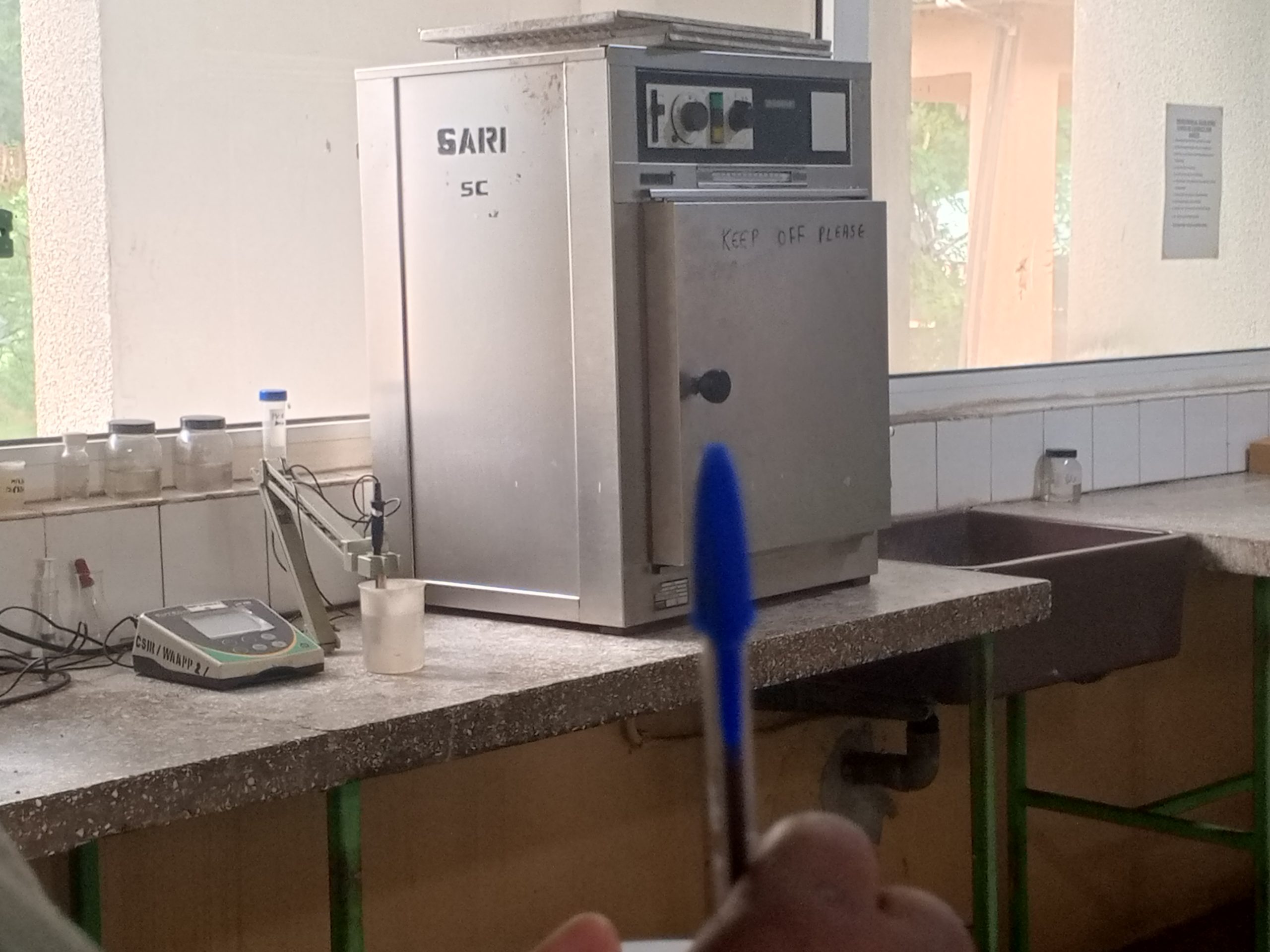
Image source: Haisn6, Wikimedia Commons, CC BY-SA 4.0 — source and license details.
Pasteurization uses a controlled treatment to reduce many competing organisms without trying to eliminate all microbial life. It is used in some lower-nutrient substrate systems, including many straw-based workflows for oyster mushrooms. The aim is not simply to heat material until it feels hot; the treatment must be suitable for the material’s mass, moisture, and process. Follow a validated method from a reputable cultivation source or supplier.
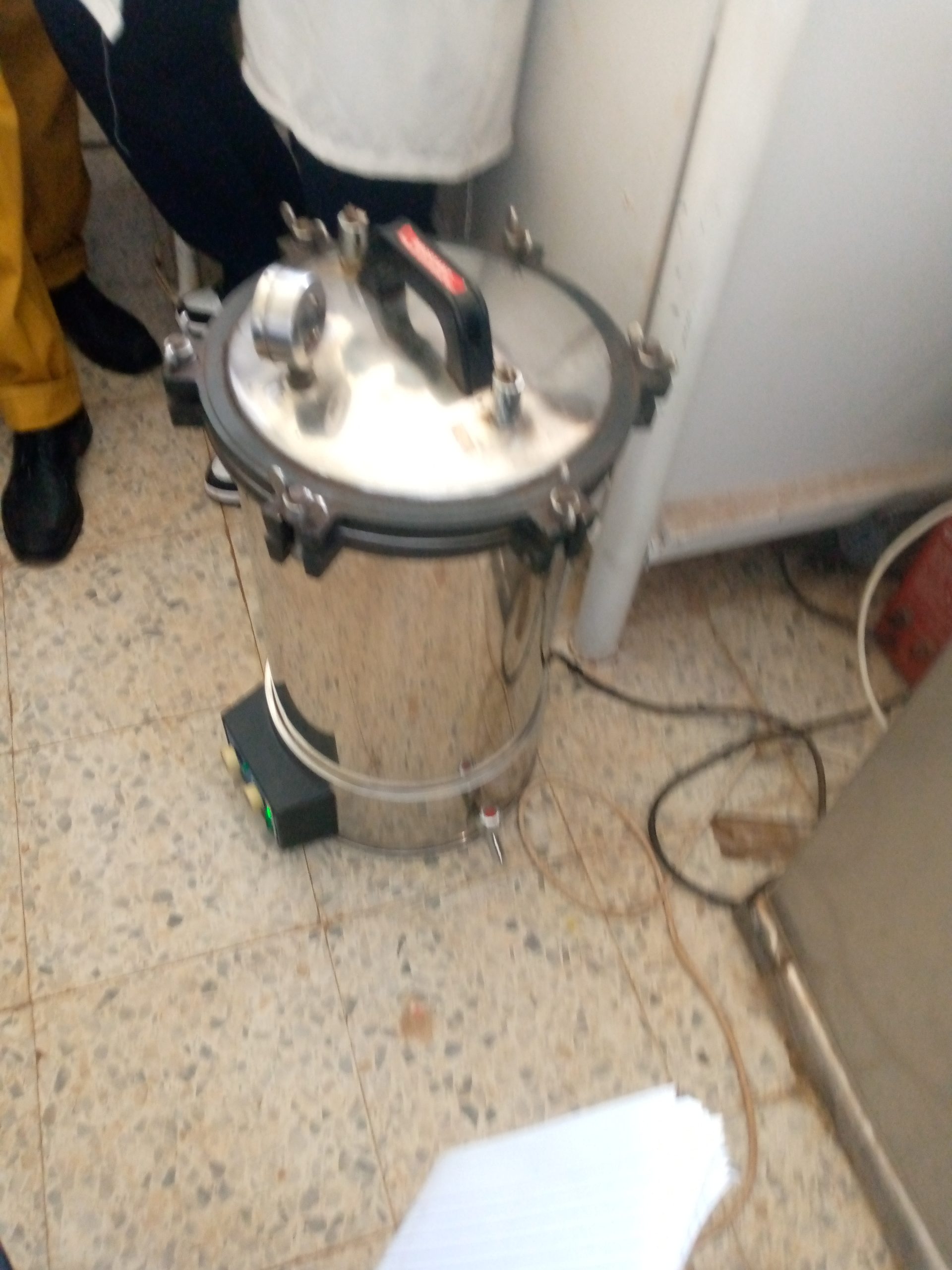
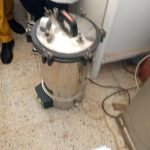
Sterilization aims for a much higher level of microbial elimination. Supplemented hardwood sawdust blocks and other nutrient-rich substrates commonly use sterilization because the extra nutrients can support competing organisms as readily as they support the mushroom. Proper sterilization depends on the entire load reaching the required conditions, not just the temperature displayed on the outside of a bag or vessel.
| System | Common approach | Important note |
|---|---|---|
| Straw for many oyster grows | Often pasteurization or another validated low-nutrient method | Drain well and inoculate cleanly |
| Supplemented hardwood sawdust blocks | Commonly sterilization | Requires appropriate equipment and a validated cycle |
| Ready-to-fruit commercial block | Preparation completed by supplier | Follow storage and fruiting instructions |
| Logs for outdoor cultivation | Different process; wood is inoculated rather than treated like a bag substrate | Use suitable wood and spawn instructions |
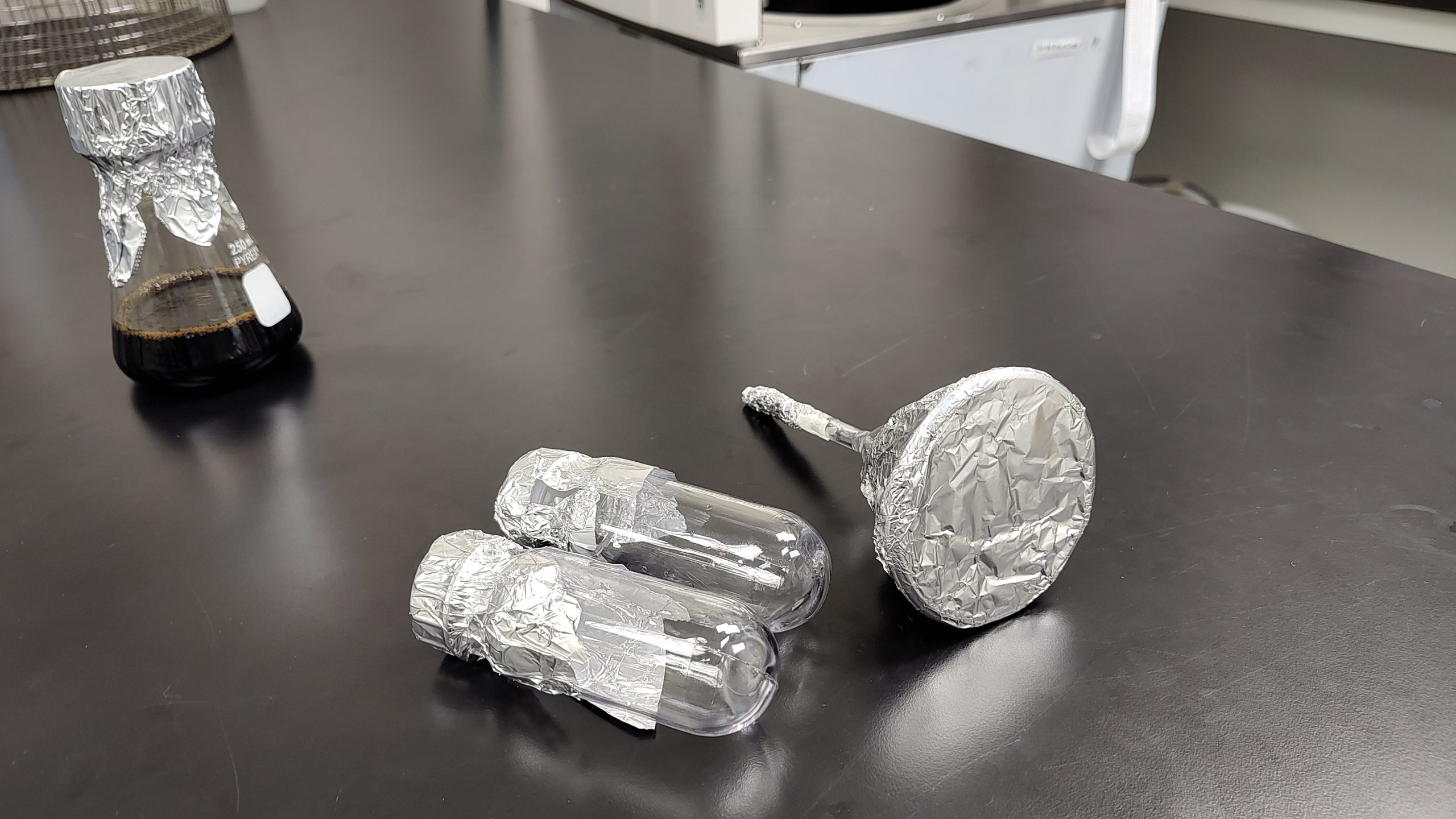
Image source: Luis Fernando Flores LAB, Wikimedia Commons, CC BY-SA 4.0 — source and license details.
Substrate recipes differ in moisture, particle size, density, supplements, container size, and total load. Heat moves through a small loose batch differently from a tightly packed large bag. A cycle that works for one setup may leave the centre of another load inadequately treated. For this reason, a responsible guide should specify the substrate and equipment rather than offer one number as a universal recipe.
Too much water can reduce air space and make a substrate harder to handle; too little can slow colonization and fruiting. Hydrate according to the selected recipe and ensure the material is evenly mixed. For pasteurized straw, proper drainage after treatment is especially important. For bagged blocks, moisture must be measured and mixed consistently before packaging. Do not use a vague “looks wet enough” judgement as the only quality check when repeatability matters.
Prepared substrate can be re-contaminated by dirty tools, unclean work surfaces, hands, dust, or poor-quality spawn. Organize the workspace before opening the treated material, clean reusable equipment, and avoid placing bags or tools on dirty floors. Use spawn that has been stored as instructed and inoculate using a method appropriate to the substrate. If a batch becomes suspect, isolate it instead of mixing it into healthy material.
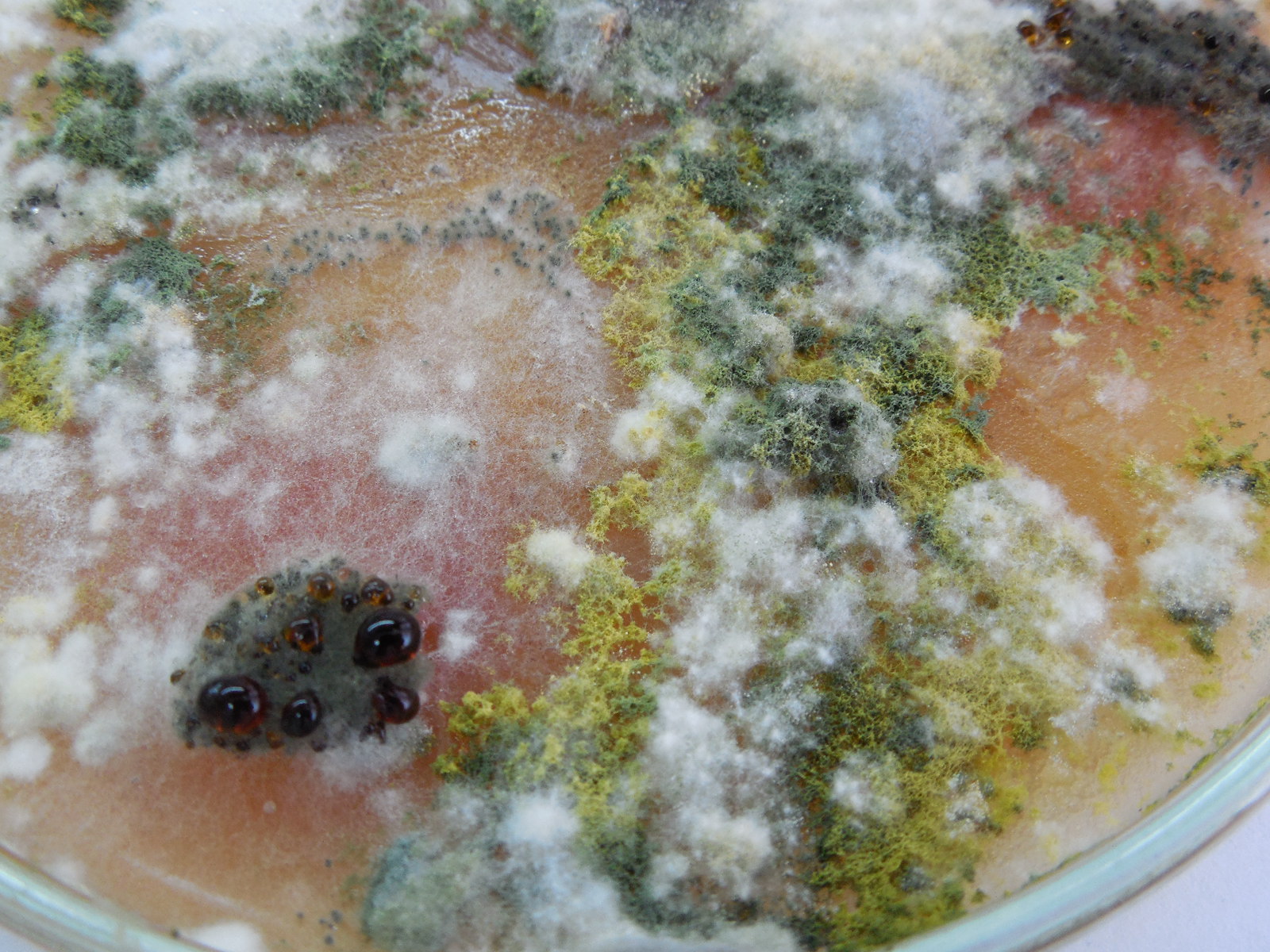
Image source: Andrei Trigubovich, Wikimedia Commons, CC BY-SA 4.0 — source and license details.
Look for patterns across multiple bags. If most bags fail at a similar stage, review the preparation cycle, moisture, spawn source, and inoculation workflow. If only one bag fails, handling damage or a local contamination event may be involved. Record batch dates, recipe weights, treatment details, and outcomes. Avoid opening mouldy bags indoors or sniffing them closely; dispose of them safely according to local waste guidance.
If you are learning, start with a ready-to-fruit block or a well-documented beginner substrate system. That lets you focus on one set of variables instead of learning substrate preparation, sterile technique, and fruiting at the same time. Once you can get consistent results, compare one preparation variable at a time and keep records. Our guides to oyster mushrooms and shiitake explain how cultivation choices differ by species.
Pasteurization reduces many competing organisms and suits some lower-nutrient systems; sterilization targets a much higher level of microbial control and is commonly used for supplemented blocks. Choose based on the specific substrate and a validated method, then maintain clean handling and appropriate growing conditions throughout the process.



[…] Phase II has two jobs. First, the compost is pasteurised by holding it at 60°C (140°F) for at least two hours to kill pests and competing organisms. Second, it is conditioned at slightly lower temperatures so that beneficial microbes consume the remaining ammonia. According to Penn State, ammonia above 0.05% inhibits spawn growth, and above about 0.10% it is easily smelled and toxic to the mushroom. This is the main reason home-made compost often fails: it still contains ammonia when spawned. For more on why heat treatment is so important, see our explainer on sterilisation versus pasteurisation. […]
[…] sawdust always needs full sterilisation in a pressure cooker or autoclave. Our guide to sterilisation versus pasteurisation explains […]
[…] needs full sterilisation in a pressure cooker or autoclave, not pasteurisation. Our explainer on sterilisation versus pasteurisation explains […]
[…] needs full sterilisation in a pressure cooker or autoclave, not pasteurisation. Our article on sterilisation versus pasteurisation explains […]
[…] are deciding whether a material needs full sterilisation or just pasteurisation, see our article on sterilisation versus pasteurisation. Straw and other low-nutrient materials are usually pasteurised. Grain and supplemented sawdust are […]
[…] There are two main ways to do it at home: soaking in hot water, or soaking in a high-pH lime solution. This tutorial walks through both, step by step, and looks at what on-farm and lab trials found when the methods were compared. If you’re new to the difference between pasteurising and sterilising, start with our guide to sterilisation vs pasteurisation. […]