Physical Address
304 North Cardinal St.
Dorchester Center, MA 02124
Physical Address
304 North Cardinal St.
Dorchester Center, MA 02124

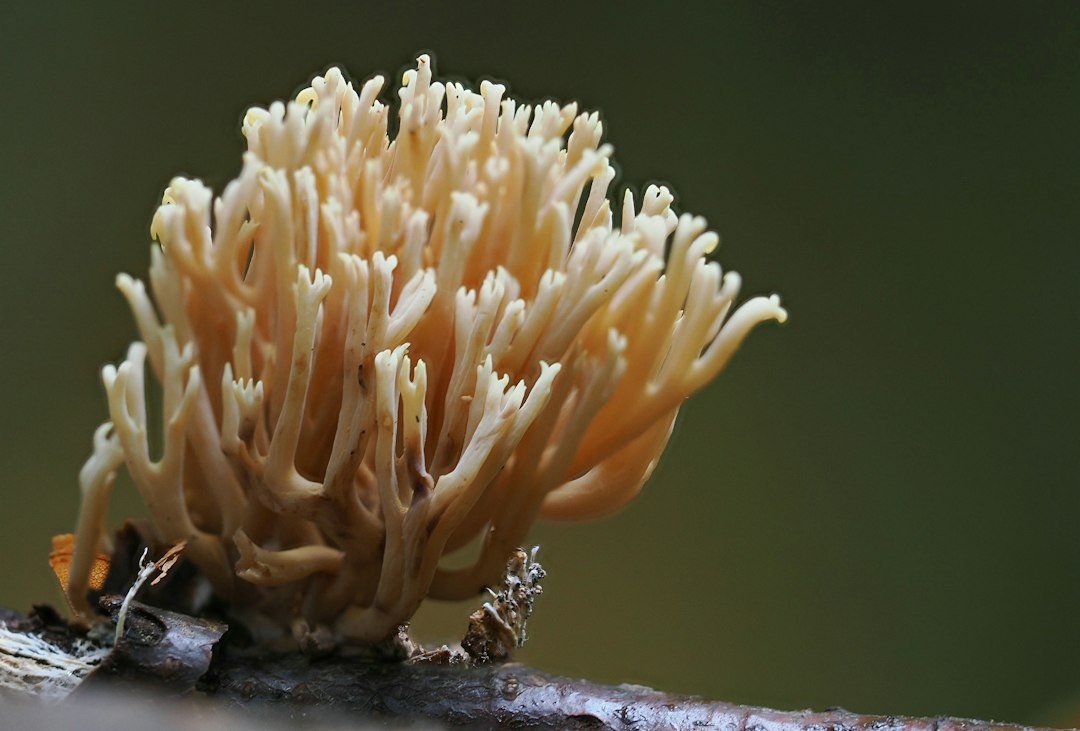
Cordyceps is a group of fungi best known for parasitic relationships with insects and for modern supplements marketed around energy and exercise. The story
Cordyceps is a group of fungi best known for parasitic relationships with insects and for modern supplements marketed around energy and exercise. The story behind the name is fascinating, but the biology of wild cordyceps, cultivated products, and supplement claims are not all the same.
Some cordyceps fungi infect insects or other arthropods, using the host as part of their life cycle. The best-known traditional example is associated with caterpillars in high-altitude regions. Commercial products may instead use cultivated species, such as Cordyceps militaris, grown on controlled substrates.
Cordyceps products are marketed for stamina, exercise, and general vitality. Researchers have studied compounds such as cordycepin and other constituents, but mechanisms observed in cells or animals do not automatically translate into meaningful benefits for people. Products also differ by species, growing method, and extract.

Human evidence for exercise performance and other claimed benefits remains limited and mixed. It is not appropriate to treat cordyceps as a replacement for sleep, training, nutrition, or medical care. Memorial Sloan Kettering’s cordyceps resource summarises reported uses and interactions.

Cordyceps may affect blood sugar and may increase bleeding risk, particularly when combined with diabetes medicines, insulin, anticoagulants, or antiplatelet medicines. Anyone taking medication or preparing for surgery should ask a healthcare professional before using it. Quality and contamination are additional concerns for supplements.

Wild cordyceps can be rare, expensive, and vulnerable to overharvesting. Cultivated products offer more controlled production but still need accurate species labels and quality checks. A product’s marketing story does not prove that its contents match the advertised species or deliver a specific health outcome.
Is cordyceps a single species? No, the name covers a group of fungi and related commercial products. Does it guarantee more energy? No. Should everyone take it? No—medication interactions and individual health factors matter.
Continue with Chaga: The Birch Tree Fungus Behind the Wellness Trend or Turkey Tail: The Colorful Mushroom Studied for Immune Support. For a beginner-friendly overview, read Best Mushrooms to Grow at Home and browse the Nature and Food categories.