Physical Address
304 North Cardinal St.
Dorchester Center, MA 02124
Physical Address
304 North Cardinal St.
Dorchester Center, MA 02124

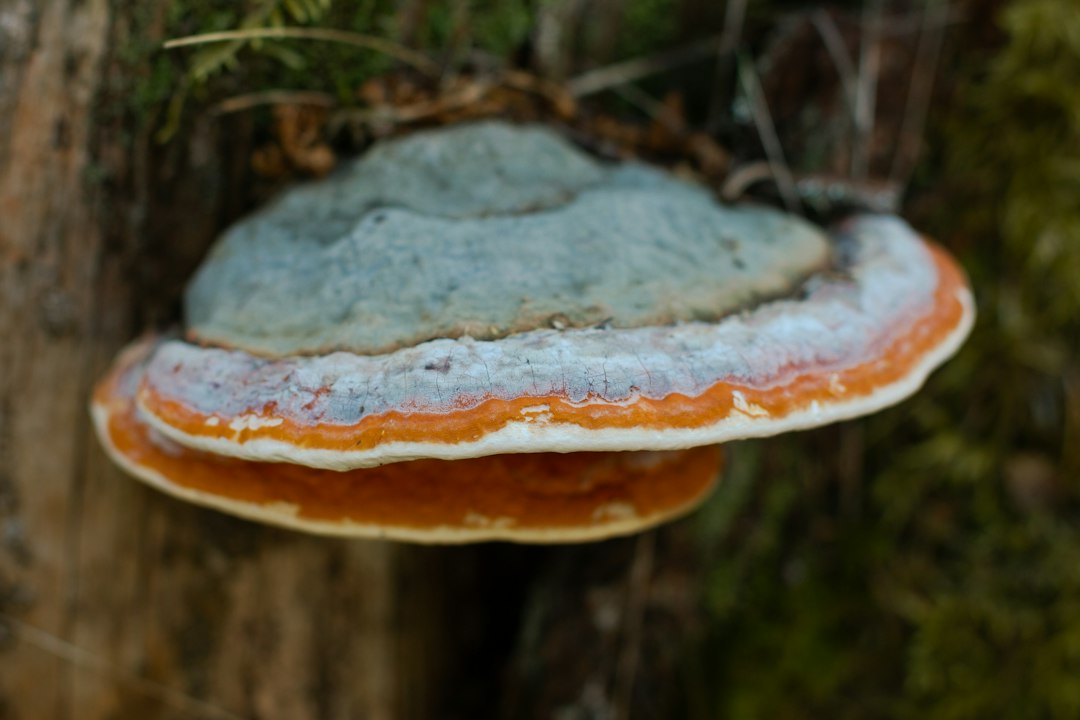
Chaga is a dark, irregular fungal growth most often associated with birch trees in cold regions. Its cracked black exterior can look like burnt wood, while
Chaga is a dark, irregular fungal growth most often associated with birch trees in cold regions. Its cracked black exterior can look like burnt wood, while the inside is typically brown-orange. Chaga has become popular in wellness products, especially teas and powders, but its reputation should be separated from what human research has actually shown.
Chaga is associated with birch and other host trees, where it forms a hard, charcoal-like mass. It is not a typical umbrella-shaped mushroom. Correct identification matters because a dark growth on a tree is not automatically chaga, and collecting material can damage trees.
Chaga is traditionally prepared as a tea and is sold in powders, capsules, and extracts. Online marketing often highlights antioxidant or immune-related laboratory findings. These early findings can guide research, but they do not by themselves prove that drinking chaga tea prevents illness or treats a medical condition.

Memorial Sloan Kettering’s chaga overview notes potential interactions and reported safety concerns. Chaga may increase bleeding risk with blood-thinning medicines, and case reports have linked heavy long-term use of chaga powder to serious kidney injury from oxalate. Concentrated products deserve particular caution.

Avoid harvesting from trees unless you have the relevant knowledge and permission. Misidentification, contaminants, host-tree damage, and uncertain dose are all practical concerns. If you choose to buy a product, look for clear species identification, independent quality testing, and transparent ingredient information.

A traditional tea, a concentrated extract, and a capsule can deliver different amounts of compounds. Do not assume a supplement is safe because it is labelled natural. Discuss it with a healthcare professional if you take medication, have kidney disease, are pregnant or breastfeeding, or are considering it alongside medical treatment.
Does chaga cure disease? There is no reliable basis for that claim. Can it interact with medicines? Yes, potential interactions are reported. Is every black growth on birch chaga? No—do not identify fungi from colour alone.
Continue with Reishi: The Ancient “Mushroom of Immortality” Explained or Cordyceps: From Caterpillar Parasite to Popular Energy Supplement. For a beginner-friendly overview, read Best Mushrooms to Grow at Home and browse the Nature and Food categories.

[…] with Chaga: The Birch Tree Fungus Behind the Wellness Trend or Turkey Tail: The Colorful Mushroom Studied for Immune Support. For a beginner-friendly overview, […]