Physical Address
304 North Cardinal St.
Dorchester Center, MA 02124
Physical Address
304 North Cardinal St.
Dorchester Center, MA 02124

How to choose, clean and store fresh mushrooms: fridge temperatures, paper bags vs plastic, whether to wash them, and how to freeze them, based on university and FDA guidance.
Fresh mushrooms don’t keep for long, and the way you clean and store them makes a real difference. Store them badly and they turn slimy within days. Clean them too early and they can spoil even faster.
This tutorial covers how to choose good mushrooms, how to clean them (including the long-running “should you wash mushrooms?” debate), how to store them in the fridge, and how to keep them longer. It’s based on guidance from Utah State University Extension, the US Food and Drug Administration (FDA), UC Davis postharvest research, Oregon State University Extension and two mushroom clubs.
Storage can only keep mushrooms in the condition you bought or picked them. Utah State University (USU) Extension advises choosing mushrooms that:
If you forage, only keep mushrooms that an experienced identifier has confirmed are edible. USU Extension recommends buying mushrooms from a reputable grower or grocer, and warns that misidentifying a mushroom can lead to serious health problems or even death. Our guide to wild vs cultivated mushrooms covers the risks.
UC Davis postharvest guidance explains that most quality loss in stored mushrooms comes from natural ageing and handling damage, rather than from disease. As mushrooms age, it lists changes such as caps bending upwards and the veil under the cap opening. If they dry out, the stems and gills can blacken and the caps curl. That’s why UC Davis calls high humidity “essential” in storage.
Mushrooms are, however, not significantly affected by ethylene, the ripening gas given off by fruit such as apples, according to UC Davis. So ethylene from nearby fruit shouldn’t be a particular worry, though strong smells are (see Step 3).
Commercial packers sometimes use special low-oxygen atmospheres to extend storage. UC Davis warns that if this is done wrongly, oxygen can run out and conditions can favour Clostridium botulinum, the bacterium behind botulism. That’s one more reason not to vacuum-seal or tightly wrap fresh mushrooms at home.
If you grow your own, picking at the right stage also helps them keep. Our guide on when to harvest mushrooms explains what to look for.
Temperature has a big effect on how long fresh mushrooms last. Postharvest guidance from UC Davis gives the ideal storage temperature for mushrooms as 0 to 1.5°C (32 to 35°F), with high humidity of 95 to 98%.
| Storage temperature | Typical storage life (UC Davis) |
|---|---|
| 1.5°C (35°F) | 5 to 7 days |
| 4.5°C (40°F) | About 2 days |
UC Davis also lists how fast mushrooms “breathe” (respire) at different temperatures.
| Temperature | Respiration rate (ml CO2 per kg per hour) |
|---|---|
| 0°C | 14 to 22 |
| 5°C | 35 |
| 10°C | 50 |
| 20°C | 132 to 158 |
At room temperature (20°C), mushrooms respire several times faster than at 5°C. So get them into the fridge as soon as you get home. If you’ve been foraging, the Mycological Society of San Francisco recommends a cool box for the journey, noting that mushrooms keep best at around 34°F (about 1°C).
These figures come from commercial storage. A home fridge may well run warmer than 1.5°C, so expect a shorter shelf life at home. USU Extension says properly stored mushrooms last about 5 days, and up to a week in the fridge.
Mushrooms need two things that pull in opposite directions: enough humidity so they don’t dry out, but not so much trapped moisture that they turn slimy.
For more on choosing between fresh and dried mushrooms, see our guide to fresh vs dried mushrooms.
USU Extension’s advice is simple: clean mushrooms only when you’re ready to use them. Washing them and putting them back in the fridge adds surface moisture, which works against everything in Step 3.
Many cooks were taught never to wash mushrooms because they “soak up water like a sponge”. The evidence suggests the effect is small.
The Fungus Federation of Santa Cruz, a California mushroom club, describes a simple test by the food science writer Harold McGee. He weighed 252 g of mushrooms, soaked them for 5 minutes, dried them and weighed them again. They weighed 258 g. That’s a gain of about 2%, less than half a tablespoon of water across 23 mushrooms. The club adds that McGee now rinses mushrooms briefly, for 5 to 10 seconds.
USU Extension takes a similar view, and says you can either rinse mushrooms under cold running water or wipe them gently with a damp cloth, paper towel or soft brush.
USU also suggests squeezing a little lemon juice over cut mushrooms if you want to help them keep their colour.
Wild mushrooms are often much dirtier than shop-bought ones. The Fungus Federation of Santa Cruz notes that brushing works fine for a clean bolete, but a muddy chanterelle will leave you “crunching on grit” if you only brush it. For gritty wild mushrooms, a brief rinse may be needed. The Mycological Society of San Francisco recommends brushing dirt off as you pick, which saves a lot of cleaning at home. Our foraging kit checklist covers what to take for this.
If you can’t use mushrooms within a few days, preserve them rather than letting them spoil.
Raw mushrooms don’t freeze well. USU Extension says fresh mushrooms should never be frozen, but that cleaned and sautéed mushrooms can be frozen in ½ cup or 1 cup containers.
Oregon State University (OSU) Extension describes two heat treatments before freezing:
Drying is the other easy option. Our guide to drying mushrooms at home covers dehydrator and oven methods step by step.
Our fresh vs dried mushrooms guide notes that sliminess, widespread deterioration or an unpleasant smell are reasons to discard fresh mushrooms. Mould is another clear sign. UC Davis notes that decay patches can develop when mushrooms are kept too warm or stored for too long, so older mushrooms deserve a close look before you cook them. If in doubt, throw them out.
| Do | Don’t |
|---|---|
| Choose firm, unblemished mushrooms with no mould | Buy mushrooms that are slimy, bruised or dried out |
| Refrigerate as soon as you get home | Leave them in a warm car or kitchen |
| Keep them in their original pack, or a paper bag once opened | Seal them in an airtight plastic bag |
| Clean just before cooking | Wash them and put them back in the fridge |
| Rinse briefly and dry well if they’re dirty | Soak them for a long time |
| Sauté before freezing | Freeze them raw |
| Keep them away from onions and other strong smells | Store them next to strongly scented foods |
| Plan to use them within about 5 days | Assume they’ll last for weeks in the fridge |
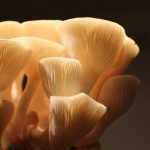
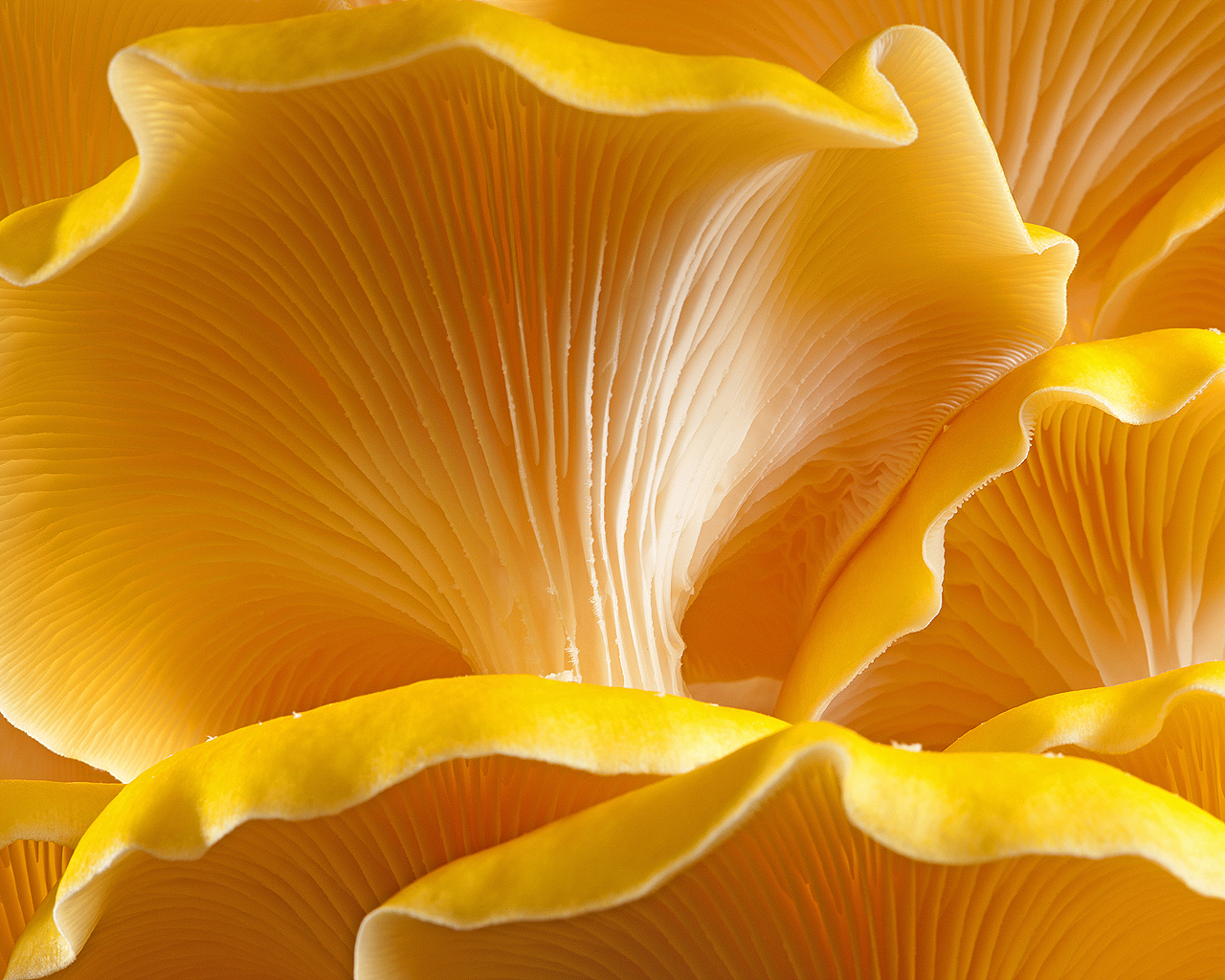
Featured image: yellow oyster mushrooms by Peggy Greb, USDA Agricultural Research Service (public domain).