Physical Address
304 North Cardinal St.
Dorchester Center, MA 02124
Physical Address
304 North Cardinal St.
Dorchester Center, MA 02124

Learn how fruiting-body and mycelium-based mushroom supplements differ, what labels can tell you, and how to evaluate product quality.
Fruiting-body and mycelium supplements are made from different parts or growth stages of a fungus. The fruiting body is the visible mushroom, while mycelium is the network of fungal threads that grows through a substrate. Both can be used in products, and neither label alone proves that a supplement is effective, safe, or high quality. The useful questions are what species is present, how it was grown and processed, what the product contains, and whether research actually applies to that preparation.
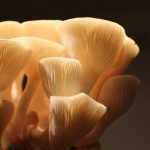
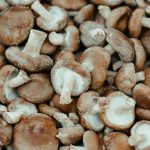
The fruiting body is the structure that produces spores. In culinary mushrooms, it is the part most people recognize and eat. Supplement makers may dry and mill the fruiting body or use it to make an extract. Its composition varies by species, strain, growing conditions, maturity, and processing. A label that says “fruiting body” is helpful information, but it does not establish a product’s potency or clinical effect.
Mycelium is the network of threadlike fungal cells that grows through a food source or substrate. Some supplements are made from cultivated mycelium. Depending on the manufacturing process, a finished ingredient may contain mycelium along with residual substrate such as grain. This does not automatically make a product ineffective, but it affects what is actually in the container and why transparent labelling matters.
Marketing often presents fruiting-body products as inherently superior or mycelium products as inherently inferior. That is too simple. Fungal composition differs between species and parts, and the manufacturing process can alter the final product. The relevant comparison is between well-characterized preparations, not just two words on the front label. Independent testing and clear ingredient information are more useful than an unsupported superiority claim.
A powder made from dried material is not the same as a concentrated extract. Extraction may use water, alcohol, or another documented process to obtain a particular mixture of compounds. The amount of starting material, extraction method, concentration, and testing affect the final composition. If a company claims a certain compound level, look for a meaningful analytical method and batch information rather than assuming the claim applies to all mushrooms of that species.
There is no universal answer for every species or intended outcome. Research may investigate a specific fruiting-body extract, a mycelium preparation, or a purified compound. A study of one product cannot automatically validate another product with a different part, species, or extraction process. Laboratory results are useful for generating hypotheses, but they do not prove that a supplement treats disease or produces a meaningful benefit in people.
Both fruiting-body and mycelium products can cause side effects or interact with medicines. Safety depends on the species, preparation, dose, product quality, and person using it. Consult a qualified clinician or pharmacist before use if you are pregnant, have a medical condition, take prescription drugs, or are preparing for surgery. Do not replace prescribed treatment with a supplement or delay medical evaluation based on product marketing.
Useful evidence includes clear species identification, transparent manufacturing, batch testing, and human studies using a preparation comparable to the product being sold. Be cautious when a brand cites a study of a different species or a purified compound but sells an unstandardized blend. Testimonials and dramatic claims cannot establish cause and effect. The absence of a strong claim is not a flaw if the product is honestly labelled.
Can you tell what part of the fungus is used? Is the substrate disclosed where relevant? Is the product an extract or plain powder? Are serving amounts clear? Is there credible testing? Are health claims supported by human evidence for the same preparation? If the answers are hidden behind vague proprietary language, you cannot make a meaningful comparison.
Fruiting body and mycelium are different ingredients, but one is not automatically better in every product or use. Species identity, substrate, processing, testing, and relevant evidence matter more than a slogan. For additional species context, read our lion’s mane overview and reishi guide, and consult a healthcare professional if you are considering a supplement for a medical reason.

[…] the network of fine threads (hyphae) that a fungus grows, rather than from a mushroom. Our guide to fruiting bodies vs mycelium explains the difference between these two parts of a […]
[…] such as wood or straw, digesting it and binding the particles together as it spreads. Our guide to fruiting bodies vs mycelium explains the difference in more […]
[…] you’re interested in how this affects supplements, our guide to fruiting bodies vs mycelium explains why the difference matters on a product […]