Physical Address
304 North Cardinal St.
Dorchester Center, MA 02124
Physical Address
304 North Cardinal St.
Dorchester Center, MA 02124

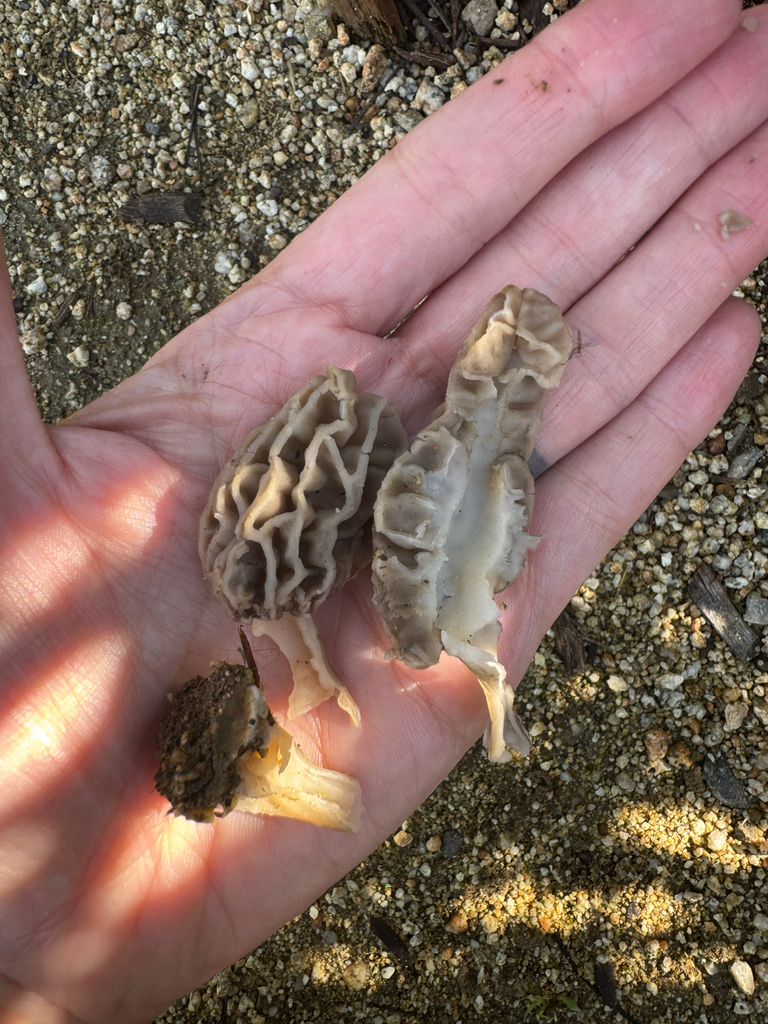
Raw button mushrooms are a salad staple, but morels, shiitake and enoki have caused illness when eaten raw or undercooked. Here's what the evidence says about eating mushrooms raw.
Sliced raw mushrooms are a salad bar staple, and raw food diets have made uncooked mushrooms even more popular. But are they actually safe to eat raw? The honest answer is: it depends on the mushroom.
Some cultivated mushrooms are widely eaten raw. Others, such as morels and shiitake, have caused illness when eaten raw or undercooked. And no wild mushroom should be eaten at all, raw or cooked, unless an expert has identified it.
This article looks at what the evidence says, species by species. It draws on a 2024 CDC outbreak investigation, food science research on button mushrooms, a dermatology case report and guidance from health departments.
| Mushroom | Raw? | Why |
|---|---|---|
| Button, cremini and portobello (Agaricus bisporus) | Commonly eaten raw, but cooking reduces a natural compound called agaritine | See below |
| Morels | No. Always cook thoroughly | Linked to a 2023 outbreak in Montana, including two deaths |
| Shiitake | No. Cook thoroughly | Raw or undercooked shiitake can cause a striking rash in some people |
| Enoki | No. Cook thoroughly | Linked to Listeria outbreaks in the US |
| Wild mushrooms of any kind | Only if expertly identified, and even then cooking is the safer choice | Some species are poisonous raw but safe cooked, and many are poisonous either way |
These three are all the same species, Agaricus bisporus, at different stages and colours. Our guide to button, cremini and portobello mushrooms explains the difference. They’re a common raw ingredient in salads.
Agaricus mushrooms naturally contain a compound called agaritine. A 2002 study in the journal Food Additives and Contaminants by Schulzova and colleagues notes that levels in button mushrooms are typically 200 to 450 mg per kg of fresh mushroom.
Agaritine has attracted attention because it belongs to a group of chemicals called phenylhydrazines. According to the 2002 paper, raw, dry-baked and freeze-dried button mushrooms, and several of the phenylhydrazine compounds they contain, caused tumours in mice. Agaritine on its own gave a negative result in one mouse study, though the authors note it may have broken down in the drinking water used.
This is where the evidence is uncertain. The nutrition website NutritionFacts.org summarises a Swiss estimate that one might theoretically expect around 20 cancer deaths per million people from mushroom consumption, based on extending the mouse results to humans. It also cites a large study of two Harvard cohorts that found “no association between mushroom consumption and total and site-specific cancers” in US women and men.
The 2002 study’s authors concluded that whether these intakes are an acceptable risk is unresolved, and that “it seems advisable to abstain from exaggerated exposures to phenylhydrazines.”
In other words, there’s no evidence that a few raw mushrooms in a salad are harmful, but cooking does reduce your exposure.
The 2002 study measured how much agaritine was lost with different methods:
| Method (Schulzova et al., 2002, cultivated Agaricus) | Approximate agaritine reduction |
|---|---|
| Microwave, 1 minute at 1,000 W | About 65% |
| Frying in vegetable oil, 5 minutes | About 66% |
| Deep frying | About 50% |
| Boiling for 5 minutes | About 44 to 55% lost from the mushrooms, with about half moving into the cooking liquid |
| Dry baking at 200°C for 10 minutes | About 23% |
| Dry baking at 200°C for 30 minutes | About 76% |
| Fridge storage at 5°C | 25% after 6 days, 50% after 14 days |
| Freezing for a month, then thawing | About 77% |
| Freeze-drying | No significant reduction |
The authors concluded that “the exposure to agaritine was substantially less when consuming processed Agaricus mushrooms” than raw ones. They also noted that it isn’t yet known what agaritine breaks down into during cooking.
If you love raw mushroom salads, there’s no need to panic. Enjoying them in moderation is reasonable, while cooking more often is an easy way to reduce agaritine. A quick sauté or a minute in the microwave makes a big difference. Remember too that boiling moves agaritine into the water, so soups and broths keep some of it.
Enoki, the long, thin white mushrooms popular in hot pots and salads, carry a different kind of risk. The concern here isn’t a natural toxin but bacteria. The CDC says a 2020 outbreak was “the first known Listeria outbreak in the United States linked to enoki mushrooms”. A second outbreak, reported in November 2022, made 5 people ill in 4 states, and all 5 were hospitalised.
Listeria is especially dangerous for some groups. The CDC’s advice includes:
That last point is easy to miss at home too. If you add enoki to a hot pot or noodle soup, let them simmer rather than just warming through.
Morels are one of the clearest examples of a mushroom that must be cooked. In March 2024, the CDC’s Morbidity and Mortality Weekly Report described an outbreak linked to a restaurant in Bozeman, Montana, in spring 2023.
| Outbreak detail (CDC, 2024) | Figure |
|---|---|
| People who became ill | 51 (46 diners and 5 staff) |
| Hospitalised | 3 |
| Deaths | 2 |
| Most common symptoms | Diarrhoea (90%), nausea (83%), abdominal pain (68%) |
| Typical time to symptoms | Median 1 hour after eating |
The illnesses were linked to a sushi roll containing morels that had been cultivated and imported fresh from China. On one date they were only partly cooked, by pouring hot sauce over them and marinating. On another they were served uncooked and cold-marinated. Eating raw morels was more strongly linked to illness than eating cooked or partly cooked ones.
Six other businesses that received morels from the same importer reported no illnesses. All six said they cooked or thoroughly heated the morels. The CDC report concludes that “uncooked or undercooked morel mushrooms were the likely source of the outbreak” and advises that “Morel mushrooms should be cooked before eating to mitigate potential toxic effects.” The specific toxin hasn’t been identified.
Montana’s health department warns that “Consuming raw or partially cooked morels may lead to varying degrees of gastrointestinal illness, or even death.” If you forage morels, also be sure you can tell them apart from poisonous false morels. Our guide to true and false morels explains how.
Shiitake can cause an unusual skin reaction called shiitake dermatitis, or flagellate dermatitis. It produces itchy, red, line-shaped streaks across the skin. “Flagellate” refers to this whip-like pattern.
In a 2022 case report in EMJ Allergy and Immunology, doctors at St Vincent’s Hospital in Melbourne, Australia, described a 75-year-old man with this rash. They write that “Consumption of raw or undercooked shiitake mushrooms can lead to shiitake dermatitis.” The rash cleared after 10 days of treatment.
The authors describe the condition as “rare and self-limiting”. It was first recognised in East Asia and is now being reported more widely. A compound in shiitake called lentinan was first thought to cause a toxic reaction, though newer evidence suggests an allergic mechanism. The report notes that “Adequate cooking of shiitake mushrooms denatures lentinan.” The patient was advised to avoid undercooked shiitake. Our guide to shiitake covers its many cooked uses.
Whether to eat a mushroom raw only matters once you know exactly what it is. With wild mushrooms, identification is the real danger. According to Public Citizen’s research, as reported by Gizmodo, North America has 40 mushroom species that are poisonous raw but safe cooked, alongside 75 known to be deadly or toxic.
Cooking does not make a poisonous mushroom safe. The CDC has said that cooking doesn’t remove mushroom toxins. Only eat wild mushrooms that an experienced local identifier has confirmed, and cook them thoroughly. Our guide to mushroom poisoning explains what to do if something goes wrong.
A few slices of raw button mushroom in a salad are a common, low-concern choice for most people, though cooking reduces agaritine. Morels, shiitake and enoki are different: cook them thoroughly every time. And with wild mushrooms, raw or cooked, expert identification always comes first.
Featured image: morels by Kat via iNaturalist (CC0 1.0).


[…] simmering fresh, tender portions “slowly in salted water until tender.” Our article on eating mushrooms raw explains why cooking is the safer habit for many […]