Physical Address
304 North Cardinal St.
Dorchester Center, MA 02124
Physical Address
304 North Cardinal St.
Dorchester Center, MA 02124

Explore the weather and ecological conditions that make autumn an important season for many mushrooms, plus practical cultivation and foraging cautions.
Autumn is often associated with abundant wild mushrooms in temperate regions because temperatures, rainfall, soil moisture, and seasonal changes can align with the fruiting needs of many fungi. But “peak mushroom season” is a broad description, not a rule for every species or location. Some mushrooms fruit in spring or summer, some appear in warm climates at different times, and many fungi remain present as mycelium long before a visible mushroom emerges.
Rain can replenish moisture in soil, leaf litter, logs, and other substrates. When moisture combines with suitable temperatures and other cues, some fungi produce fruiting bodies. A heavy downpour does not guarantee mushrooms the next day: the mycelium must be established, and the species may respond to a broader pattern of conditions rather than one rainfall event. Dry soil beneath a wet surface can also limit fruiting.
Many temperate fungi respond to the shift from summer heat to cooler nights and milder daytime conditions. Others prefer warmth, and some fruit after particular patterns of rain and temperature. The right conditions depend on the species and its habitat. A calendar from another region may be misleading, so local field observations and regional mycological resources are more useful than a generic month list.
Different mushrooms are associated with different trees, soil types, dead wood, grasslands, or other habitats. Some species form partnerships with living trees, while others decompose wood or leaf litter. Learning the habitat can help a forager know where a species might occur, but it does not establish that a specimen is edible. Similar-looking fungi can grow in similar places, including dangerous species.
A dry summer can leave soil and wood depleted of moisture. Unseasonably warm weather may delay fruiting for some species, while heavy rain can flood or damage particular habitats. Disturbance, tree health, and local ecology also affect what appears. A poor season does not necessarily mean fungi have disappeared; visible fruiting bodies are only one stage in a larger life cycle.
For cultivated mushrooms, autumn can be a convenient time for indoor kits if the home naturally sits within the strain’s preferred range. Cooler weather may reduce heat stress, though indoor heating can later dry the air. Outdoor logs and beds still need species-specific care. Record temperature and moisture rather than assuming the season alone will trigger a flush.
Autumn can produce a large variety of wild fungi, which makes careful identification especially important. Never eat a mushroom based only on a phone app, a social-media comment, or a resemblance to a photograph. Learn with a qualified local expert, use multiple identification features, obtain permission to collect, and respect protected areas. Leave uncertain specimens in place.
Stay on permitted routes where required, avoid damaging habitat, and collect only where lawful. Do not take more than you can use, and do not damage living trees or rotting logs to search for mushrooms. Some fungi are rare or ecologically important even when they are not edible. Responsible observation can be as valuable as collecting.
Record the date, general habitat, recent rainfall, temperature pattern, and whether the specimen was identified by a qualified source. Avoid publishing sensitive locations for rare species. Over several years, a field log can help you notice local patterns without turning those patterns into universal rules. For cultivated grows, record the strain, fruiting dates, and harvest weights.
Autumn often offers favourable conditions for many temperate fungi, but there is no single global peak season. Rain, temperature, habitat, and species biology work together. Observe local patterns, grow cultivated species according to their instructions, and treat wild mushroom identification as a safety-critical skill. Read our morel guide for an example of a mushroom with a different seasonal window.

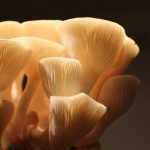
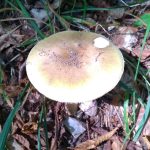

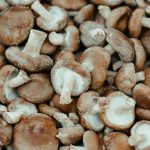
[…] says the fly agaric appears from spring to autumn, and autumn is peak mushroom season in many places. Admire it and photograph it, but don’t pick it to eat. A few simple rules […]