Physical Address
304 North Cardinal St.
Dorchester Center, MA 02124
Physical Address
304 North Cardinal St.
Dorchester Center, MA 02124

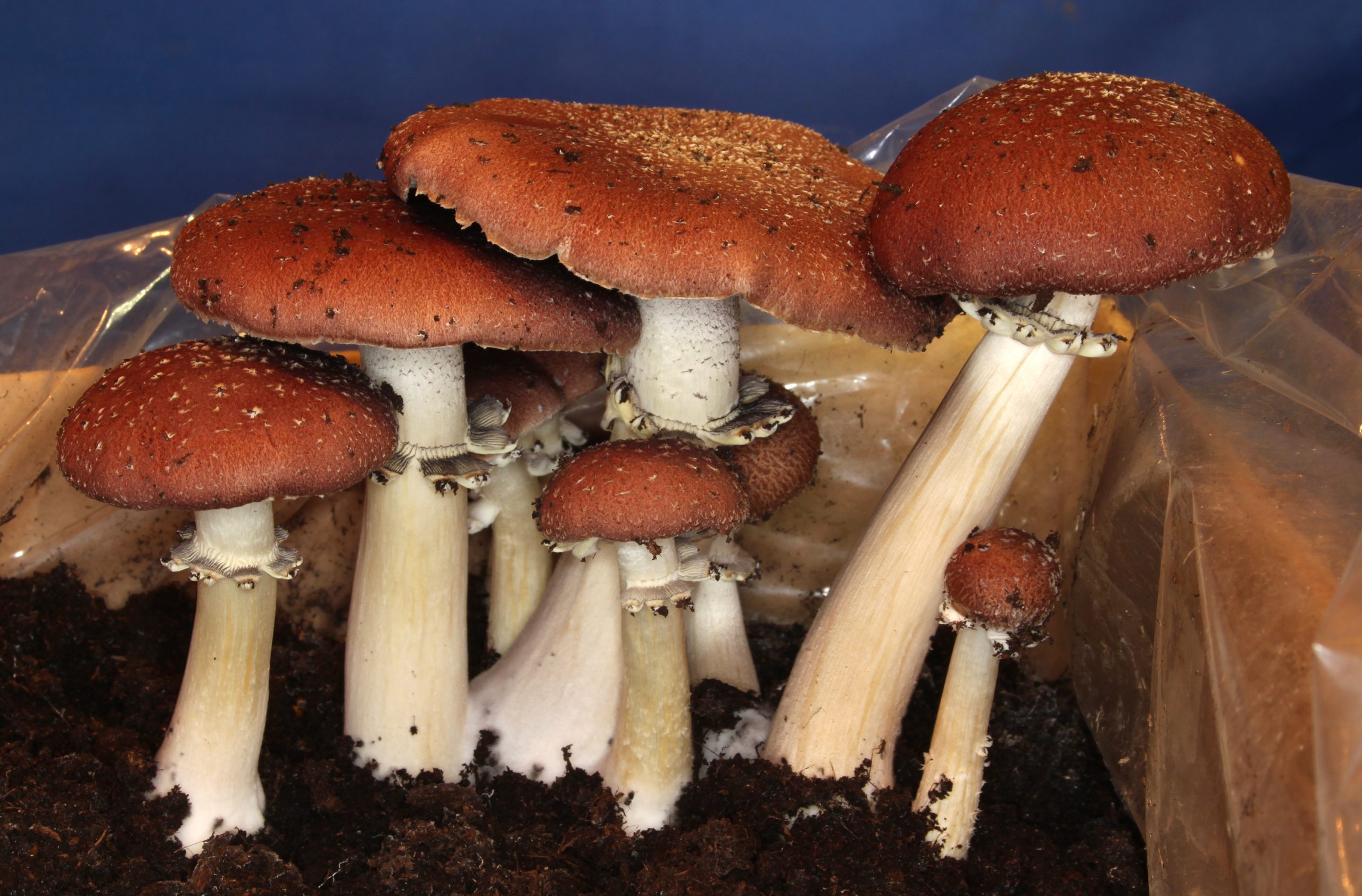
A beginner’s overview of outdoor wine cap mushroom beds, from choosing wood chips and a shaded site to maintaining moisture and harvesting responsibly.
Wine cap mushrooms (Stropharia rugosoannulata) are a popular option for outdoor mushroom beds because they can grow in suitable wood-chip or straw-based garden systems. Unlike an indoor kit, an outdoor bed is influenced by rainfall, temperature, shade, soil, competing organisms, and the quality of the materials used. A successful bed can become part of a garden’s seasonal routine, but it should be treated as a managed growing project rather than a guaranteed source of mushrooms.
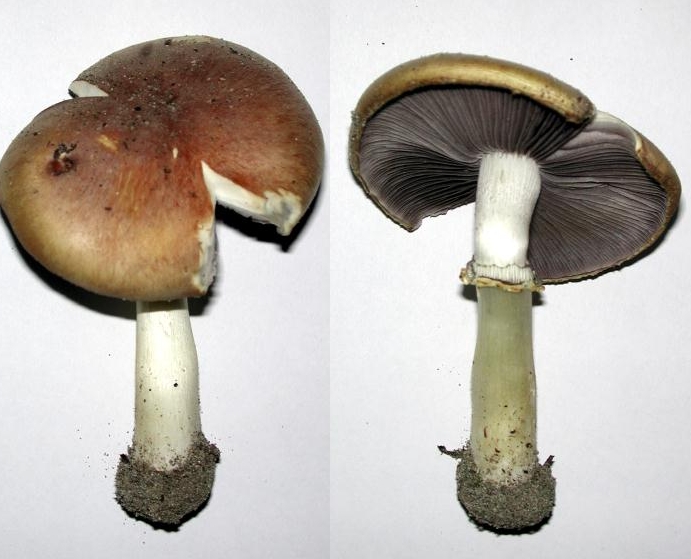
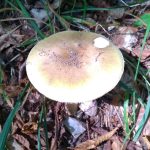
Image source: J. A. Cooper, Wikimedia Commons, CC BY 4.0 — source and license.
Look for a place with partial shade, access to water, and enough room to inspect and harvest the bed. Full summer sun can dry or heat the substrate, while a low spot that stays waterlogged may create poor conditions. Avoid locations exposed to runoff from roads, treated timber, chemical storage, or other potential contaminants. Check local rules before bringing in wood chips or introducing a cultivated fungus outdoors.
Wine caps are commonly grown in fresh, untreated wood chips or a suitable layered organic substrate, but material choice affects performance. Avoid painted, stained, chemically treated, or contaminated wood. Tree species and chip size can influence moisture retention and breakdown. Buy spawn identified for wine cap cultivation and follow the supplier’s recommended substrate recipe instead of substituting random garden waste.
The substrate should be moist throughout without becoming a stagnant, waterlogged mass. Dry chips may need wetting before or during bed construction, while heavy rain can saturate a poorly drained site. Layering substrate and spawn according to the chosen method helps distribute the culture. The exact bed depth and spawn amount depend on the supplier’s system and available materials, so use a documented recipe and record what you build.
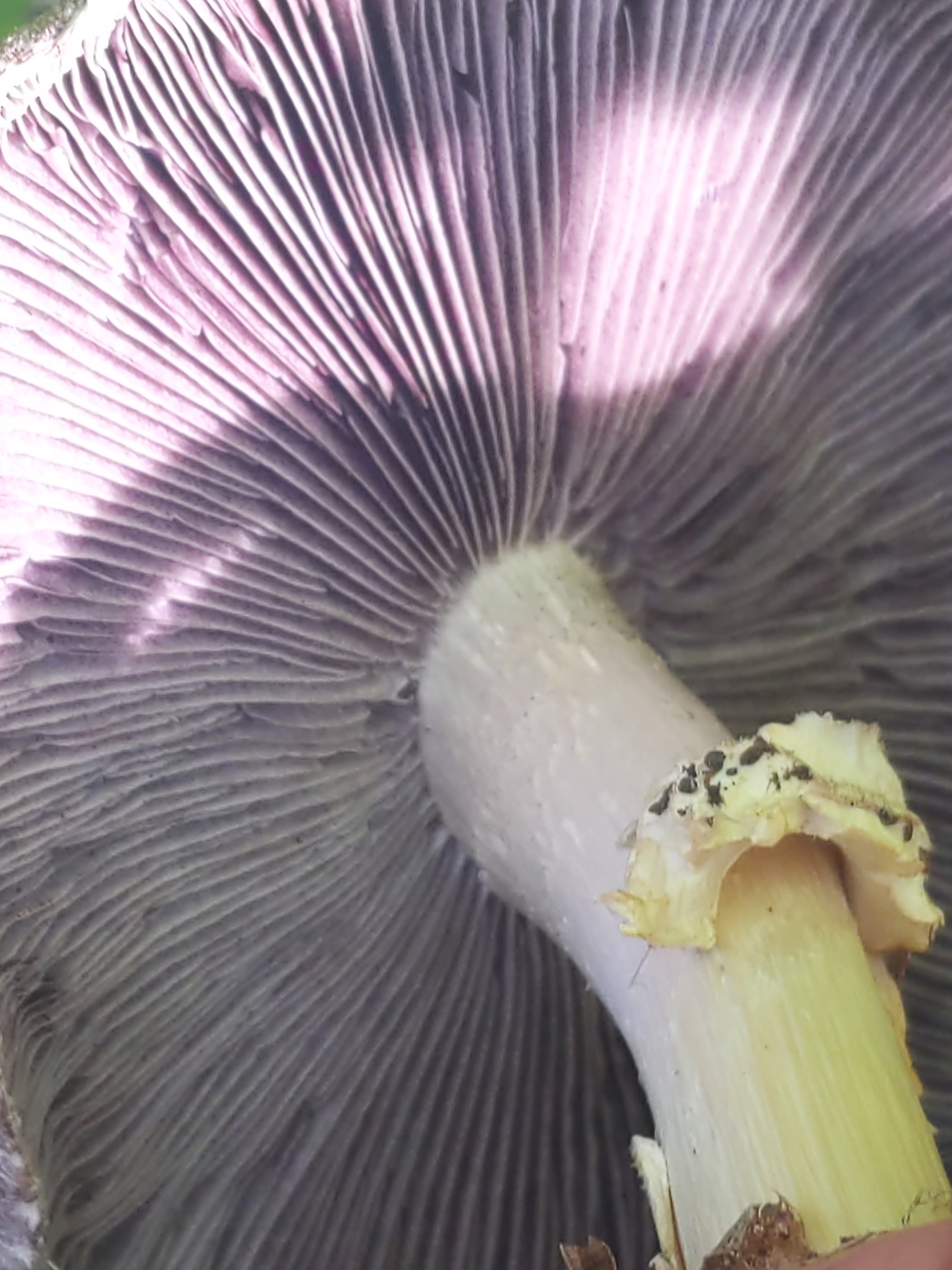
Image source: Cecil Smith, Wikimedia Commons, CC BY 4.0 — source and license.
Outdoor beds take time to establish. Mycelium spreads through the chips before mushrooms appear, and that period can vary with temperature, moisture, substrate, and spawn quality. Do not expect mushrooms immediately after installation. Keep the bed protected from severe drying and avoid constantly disturbing it to check progress. A seasonal flush may occur when conditions become favourable, but weather alone cannot guarantee fruiting.
Check moisture beneath the surface rather than judging only the top layer. Wind and sun can dry the surface while deeper chips remain moist. Water gently when needed, allowing excess to drain. If the bed remains soggy or develops an unpleasant smell, stop adding water and assess drainage and material quality. Avoid using untreated wastewater or water contaminated by chemicals.
A wine cap bed can sit around suitable garden paths, shrubs, or other planted areas, provided it does not obstruct access or create unwanted contact with children or pets. Keep records of when chips and spawn were added, rainfall, watering, and any mushrooms harvested. As the wood breaks down, the bed may shrink and need fresh suitable material according to the cultivation method. Spent substrate can sometimes be useful in garden systems, but only if it is healthy and appropriate for the intended use.
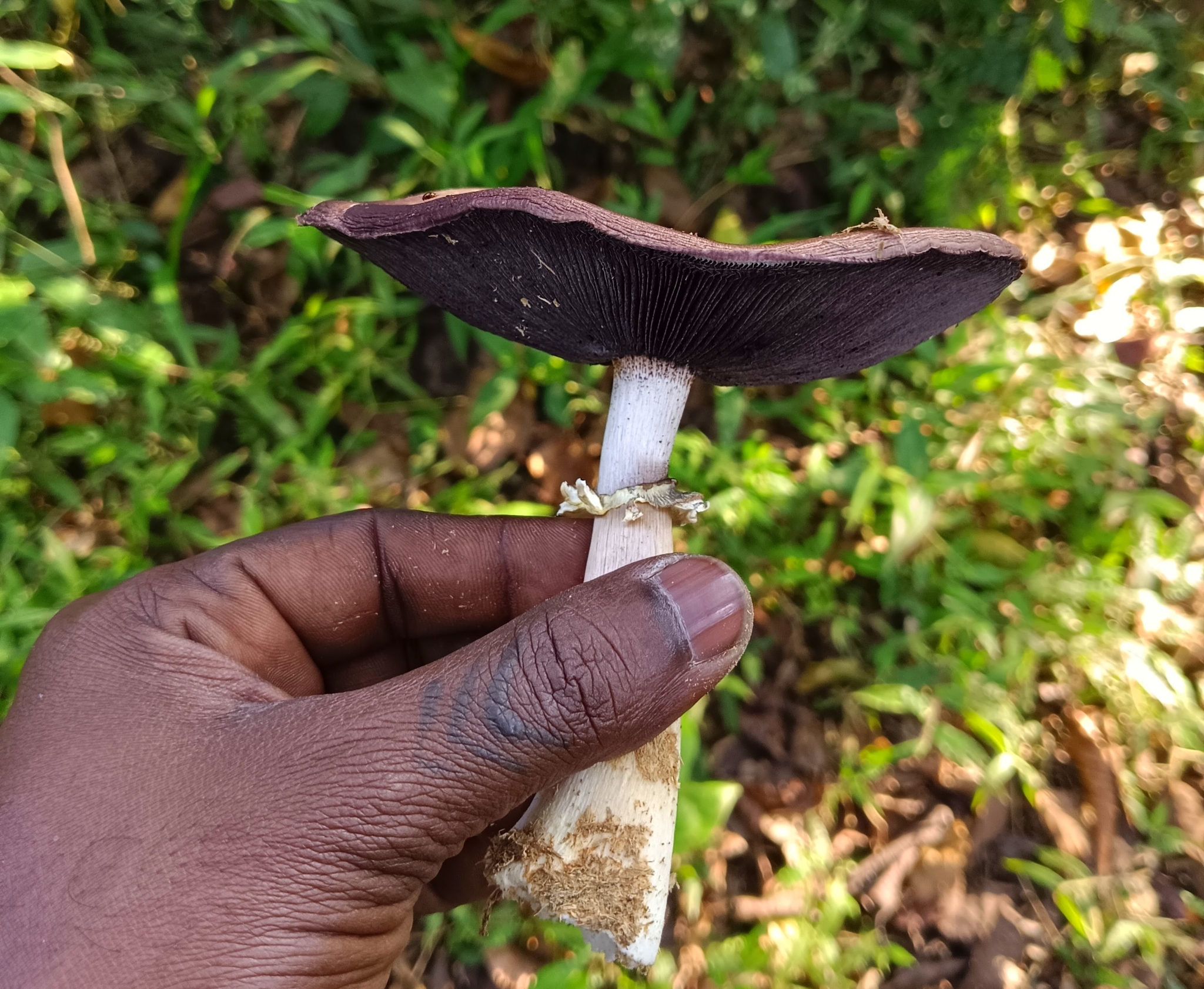
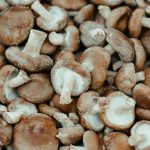
Image source: renjus box, Wikimedia Commons, CC BY 4.0 — source and license.
Harvest only mushrooms that you can confidently identify as the cultivated species. Outdoor beds can attract other fungi, and not every mushroom emerging from the same patch is necessarily a wine cap. Do not eat an unknown specimen because it grows among the inoculated chips. Use reliable identification support, and when in doubt, leave it alone. Cook cultivated wine caps thoroughly and follow safe food-handling practices.
Do not spread cultivated spawn into natural woodland or public land without checking local rules and ecological guidance. A fungus suitable for a garden bed in one region may be non-native elsewhere. Source chips responsibly and avoid moving wood or substrate from a site with pests or disease. If you rent or share a garden, obtain permission before installing a bed.
This method suits people who have a shaded outdoor area, can wait for natural conditions, and enjoy a low-tech project. It is less suitable if you need predictable weekly harvests or cannot control contamination and access. For a first experiment, make a modest bed and keep notes rather than spreading material across the entire garden. Our oyster mushroom guide explains an alternative indoor-friendly growing path.
Wine cap beds can turn suitable wood chips into a productive garden project when the species, materials, location, and moisture management are matched. Success depends on patience and seasonal conditions. Use identified spawn, avoid treated wood, monitor moisture, and never assume every mushroom growing in the bed is safe to eat.


[…] project. If you want a garden mushroom bed with a much better chance of producing, see our guide to growing wine caps in garden beds. For other species suited to the season, see spring mushrooms to grow and […]