Physical Address
304 North Cardinal St.
Dorchester Center, MA 02124
Physical Address
304 North Cardinal St.
Dorchester Center, MA 02124

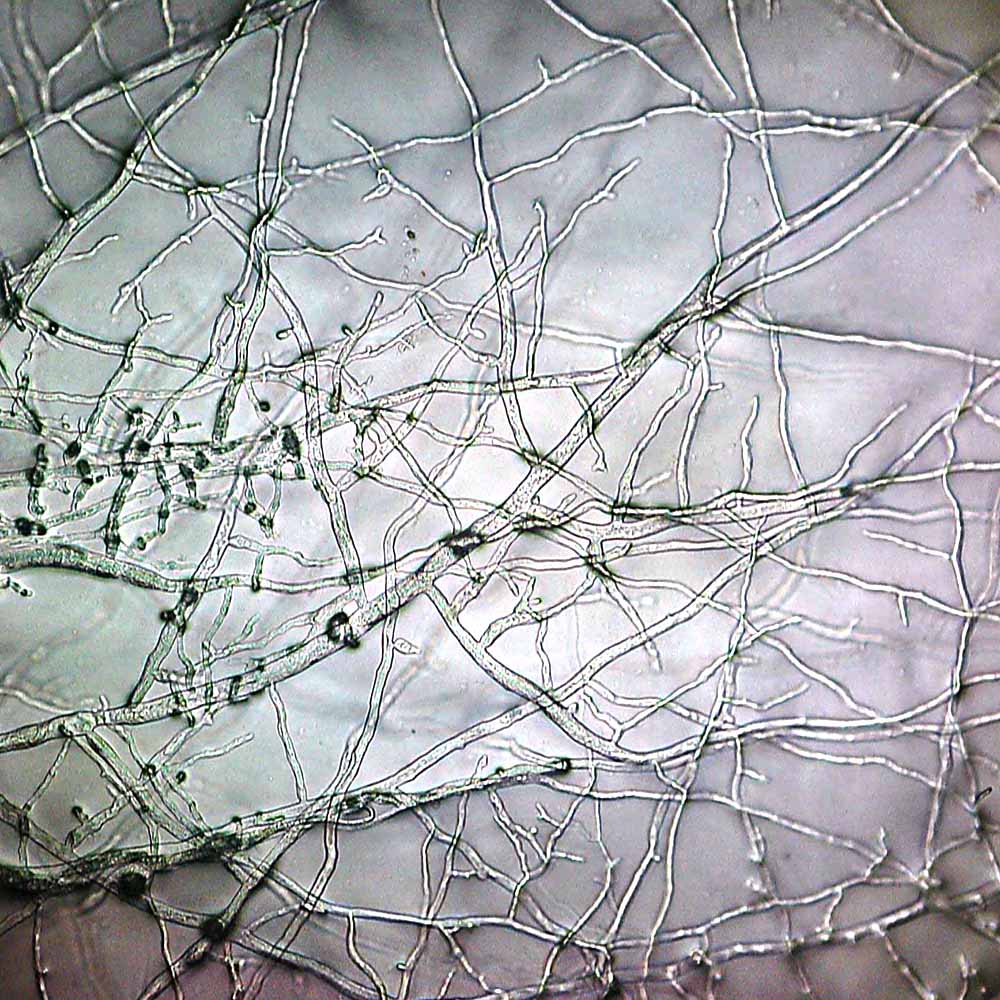
Learn common signs of mushroom grow contamination, how to reduce risk, when to discard a batch, and why clean technique and good substrate preparation matter.
Contamination is one of the most frustrating problems in mushroom growing because it can appear after you have invested time in substrate, spawn, and environmental control. The useful response is not to panic at every colour change, but to look for patterns, isolate suspicious material, and review the process that produced it. Contamination can enter through raw materials, poor preparation, damaged packaging, dirty tools, unsuitable moisture, or handling after treatment.
Some moulds appear as patches of green, black, grey, or other unusual colours; bacterial problems may be associated with wet, slimy areas or an unpleasant smell. These are warning signs, not a complete identification guide. Healthy mycelium can vary in density and appearance by species, and some normal structures can be mistaken for mould. Compare the block with the supplier’s photographs and guidance, and do not identify a contaminant from colour alone.
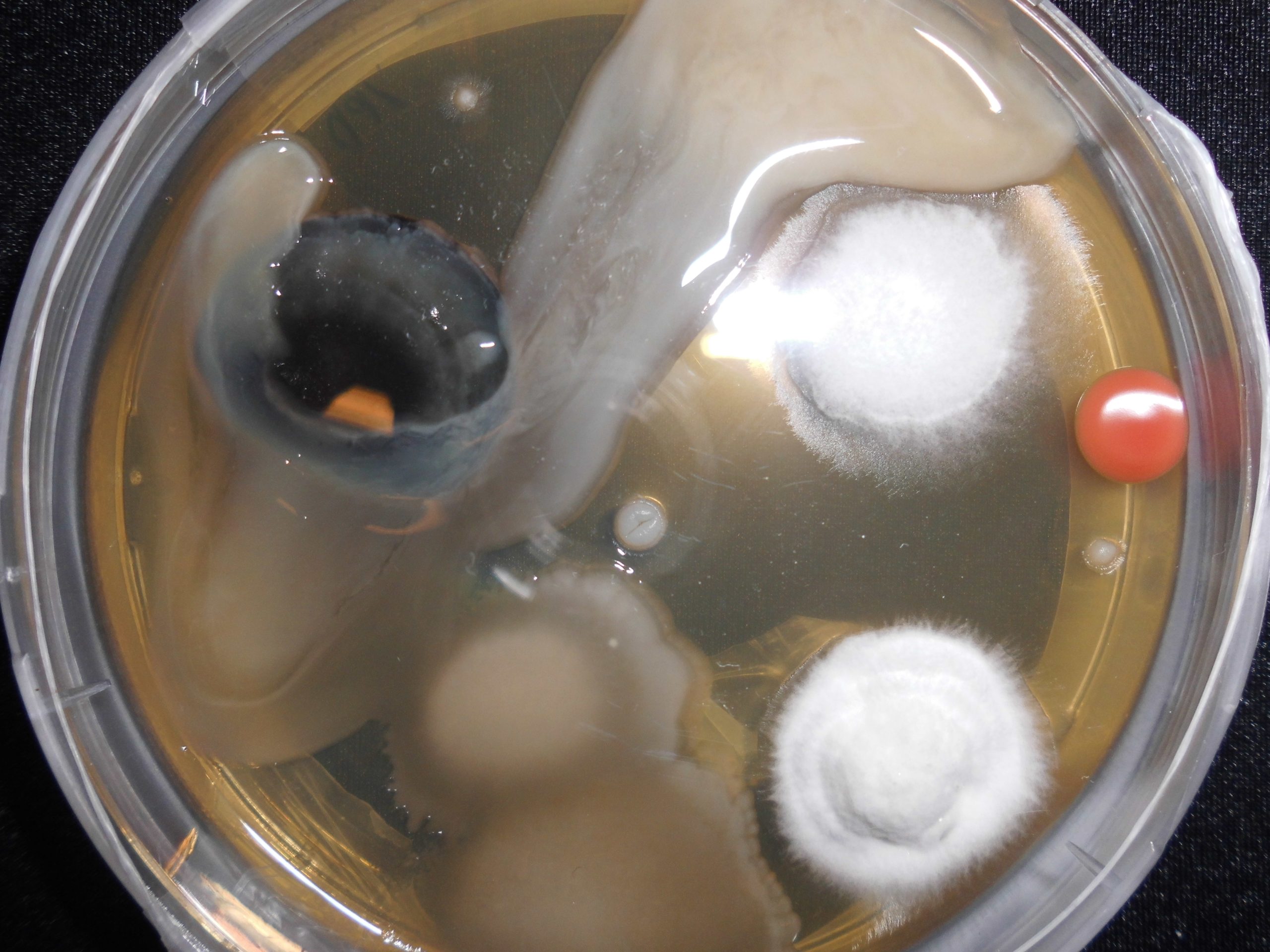
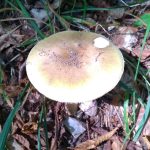
Image source: Garnhami, Wikimedia Commons, CC BY-SA 4.0 — source and license.
If a block appears contaminated, keep it away from healthy grows and avoid opening it in a living space. Opening a mouldy container can release spores and spread debris onto nearby surfaces. Follow the supplier’s advice for reporting a failed kit or disposing of a contaminated block. If you have respiratory sensitivities or a health condition, take extra care and avoid direct exposure.
Raw substrate: material may carry microbes before treatment. Inadequate preparation: a process may not suit the substrate or the amount being treated. Spawn: poor-quality or improperly stored spawn can introduce contamination. Handling: dirty tools, work surfaces, hands, or dust can reintroduce organisms after preparation. Moisture: excess water and poor air space can create conditions that favour unwanted growth. Damaged bags: holes, failed seals, or rough handling can compromise the barrier.
Use fresh, suitable materials and a documented substrate-preparation method. Clean the work surface and tools, organize the process before opening materials, and avoid placing prepared substrate on dirty floors. Store spawn as directed and use it within the supplier’s recommended period. Keep batches separate so a problem in one container does not automatically affect every grow.
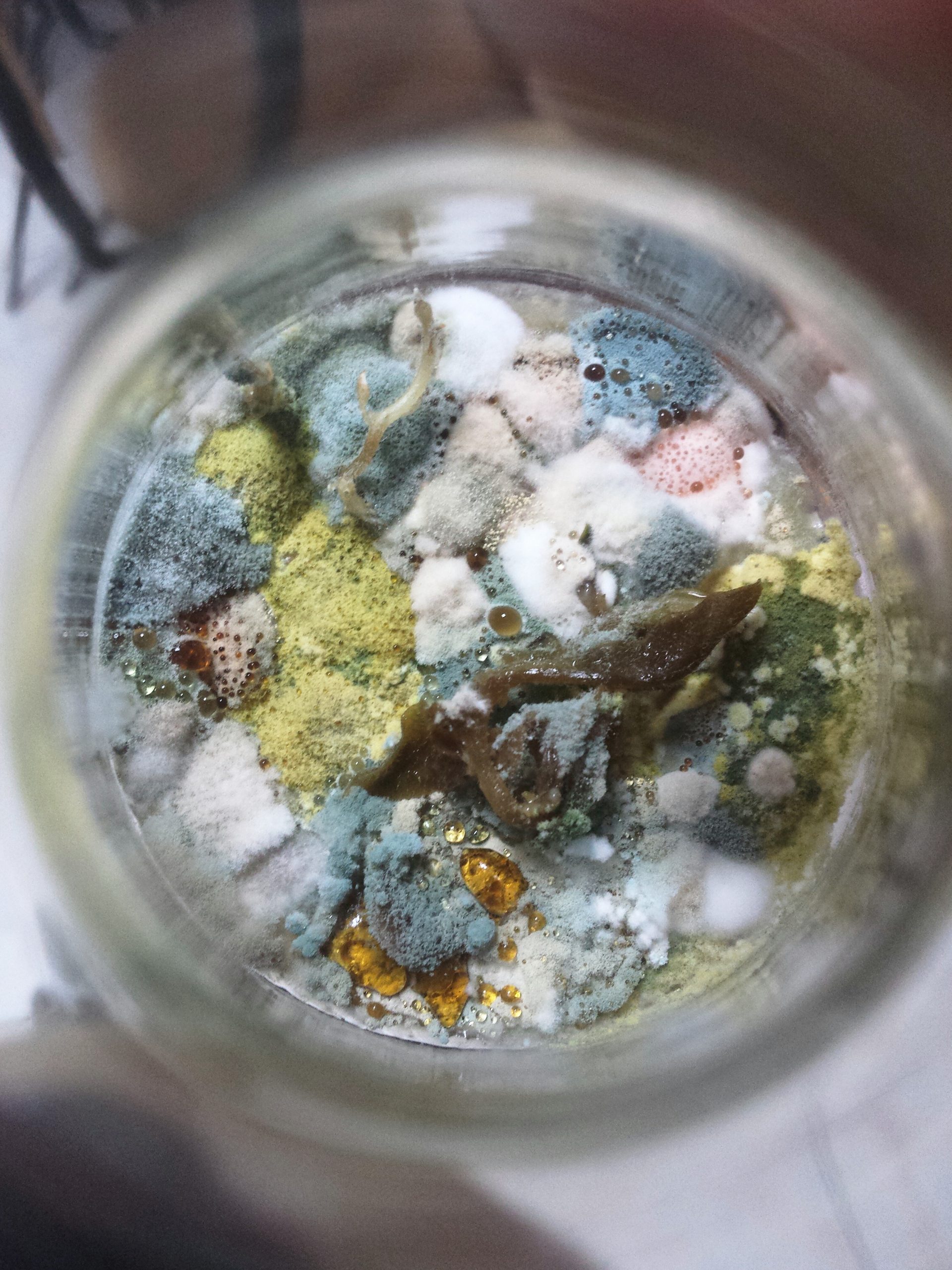
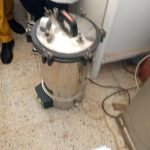
Image source: Trînc Diana, Wikimedia Commons, CC BY-SA 4.0 — source and license.
Substrate that is too wet may have poor air spaces and can become difficult to colonize. Substrate that is too dry may stall. Aim for the moisture range in the recipe and distribute water evenly. If you are preparing multiple bags, weigh ingredients rather than relying on a vague visual estimate. Consistency helps you identify whether moisture is contributing to repeated failures.
If nearly every bag from one batch fails, review the substrate recipe, preparation process, spawn source, and handling routine. If one bag fails while others from the same batch remain healthy, damage or a local handling issue may be more likely. Record batch date, substrate weights, treatment details, spawn lot, and when contamination first became visible. These notes turn a disappointing grow into useful evidence.
For beginners, the safest and most practical choice is usually to isolate and discard a clearly contaminated block according to local waste guidance. Cutting away a visible patch does not prove that the rest is free of unwanted organisms, and opening the block may spread contamination. Do not mix suspect material into a healthy substrate or use it for food. Contact the supplier if the kit was recently purchased and follow their return or troubleshooting policy.
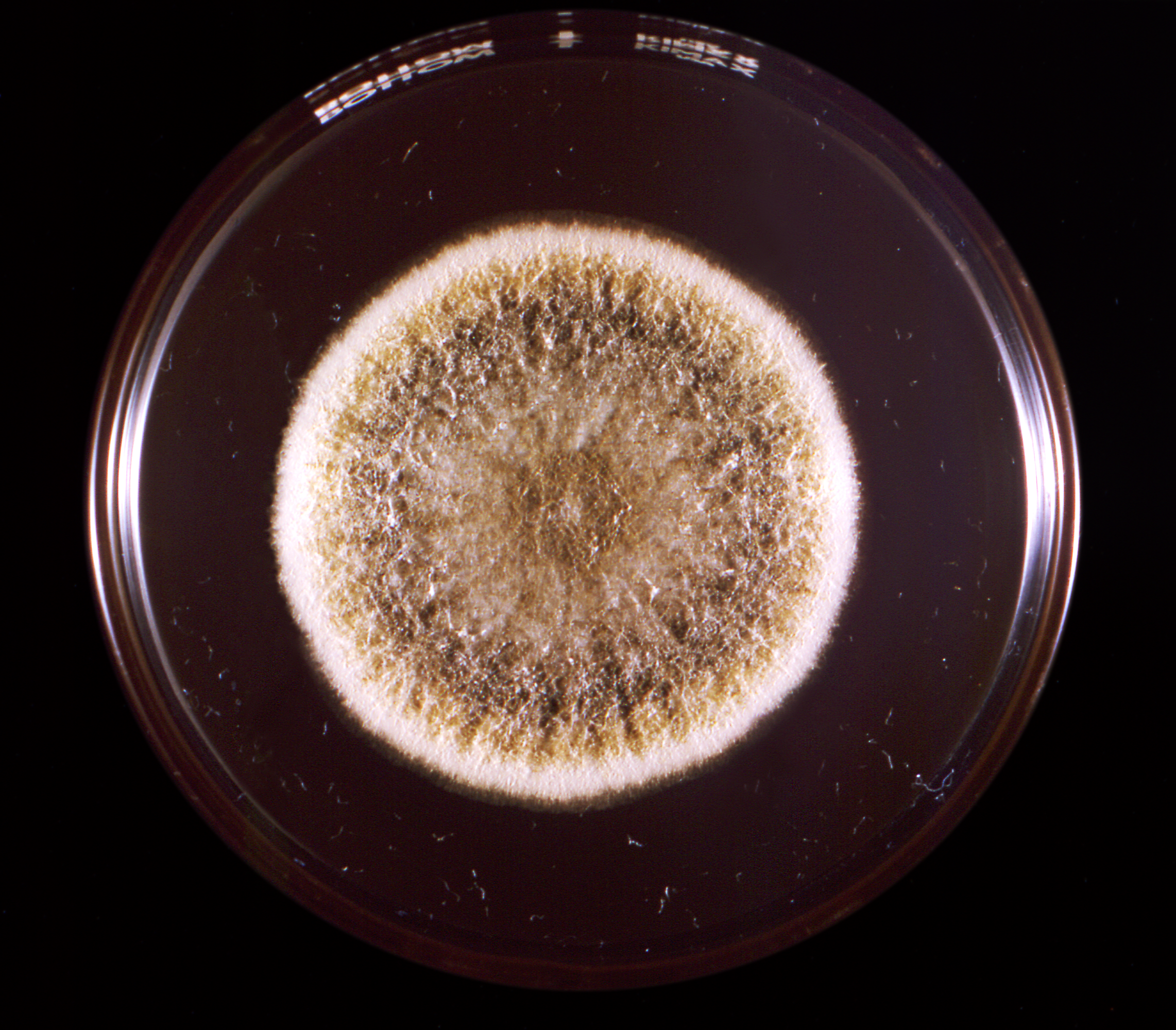
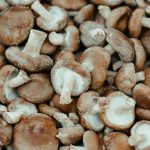
Image source: Dr. Libero Ajello, CDC, public domain — source and license.
Remove spent substrate and visible debris, then clean reusable surfaces and equipment according to the material and product instructions. Do not spray disinfectants onto living mushrooms or substrate unless the product is explicitly intended for that use. Keep growing equipment separate from food preparation areas, and let cleaned surfaces dry as appropriate before starting another batch.
If contamination repeatedly appears, ask your spawn supplier or a reputable cultivation community to review your process. Provide clear photos of the closed container, the substrate recipe, the species, the preparation method, and the timing of the first signs. Avoid asking others to identify a problem from a single close-up with no context. If the grow is commercial, document the incident and follow the food-safety procedures applicable to your operation.
Prevent contamination through suitable materials, species-appropriate preparation, healthy spawn, clean handling, and controlled moisture. Isolate questionable blocks, avoid opening mouldy containers indoors, and record failures so you can identify patterns. Our guides to oyster mushrooms and home cultivation provide additional context for choosing a growing method.


[…] gets in. A clean workspace aims to reduce what can land on your work during those moments. Our contamination guide covers how to recognise the common moulds once they […]