Physical Address
304 North Cardinal St.
Dorchester Center, MA 02124
Physical Address
304 North Cardinal St.
Dorchester Center, MA 02124

Understand the role of agar plates and liquid culture in mushroom cultivation, including contamination control, basic uses, and why beginners should learn gradually.
Agar plates and liquid culture are tools growers use to work with mushroom cultures before expanding them into spawn. They can help with learning, culture storage, and checking whether a culture appears clean, but they also add steps where contamination can be introduced or overlooked. They are useful skills to develop after you understand basic fruiting and substrate handling—not magic shortcuts that guarantee better mushrooms.
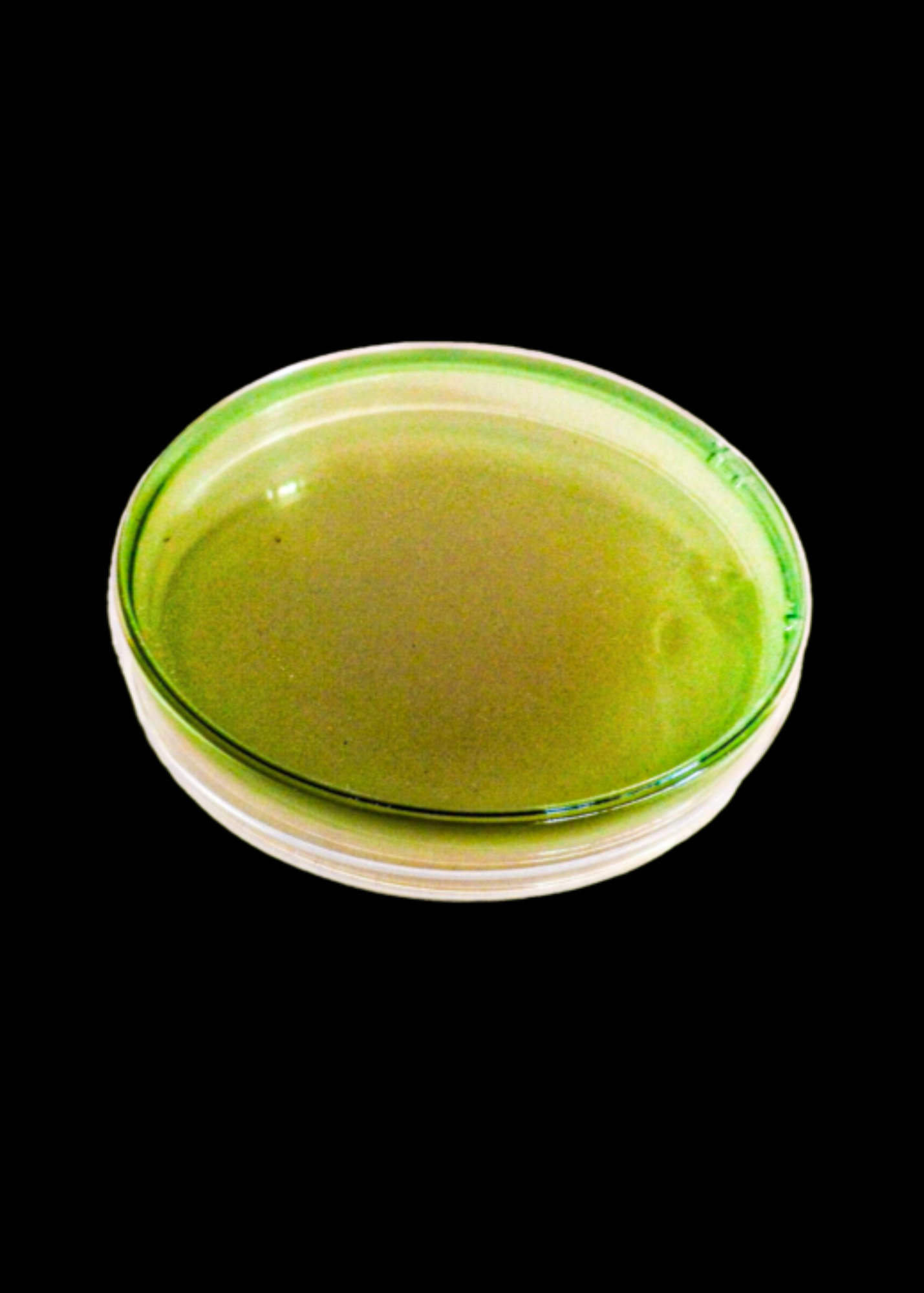
Agar is a gel-like medium used in a shallow dish or other suitable container to let fungal growth develop across a visible surface. In mushroom work, it can help a grower observe the growth pattern, transfer a clean-looking section, or compare cultures. The medium and preparation method should be appropriate for the organism and the purpose. A plate that looks clean at a glance is not proof that it contains only the desired fungus.
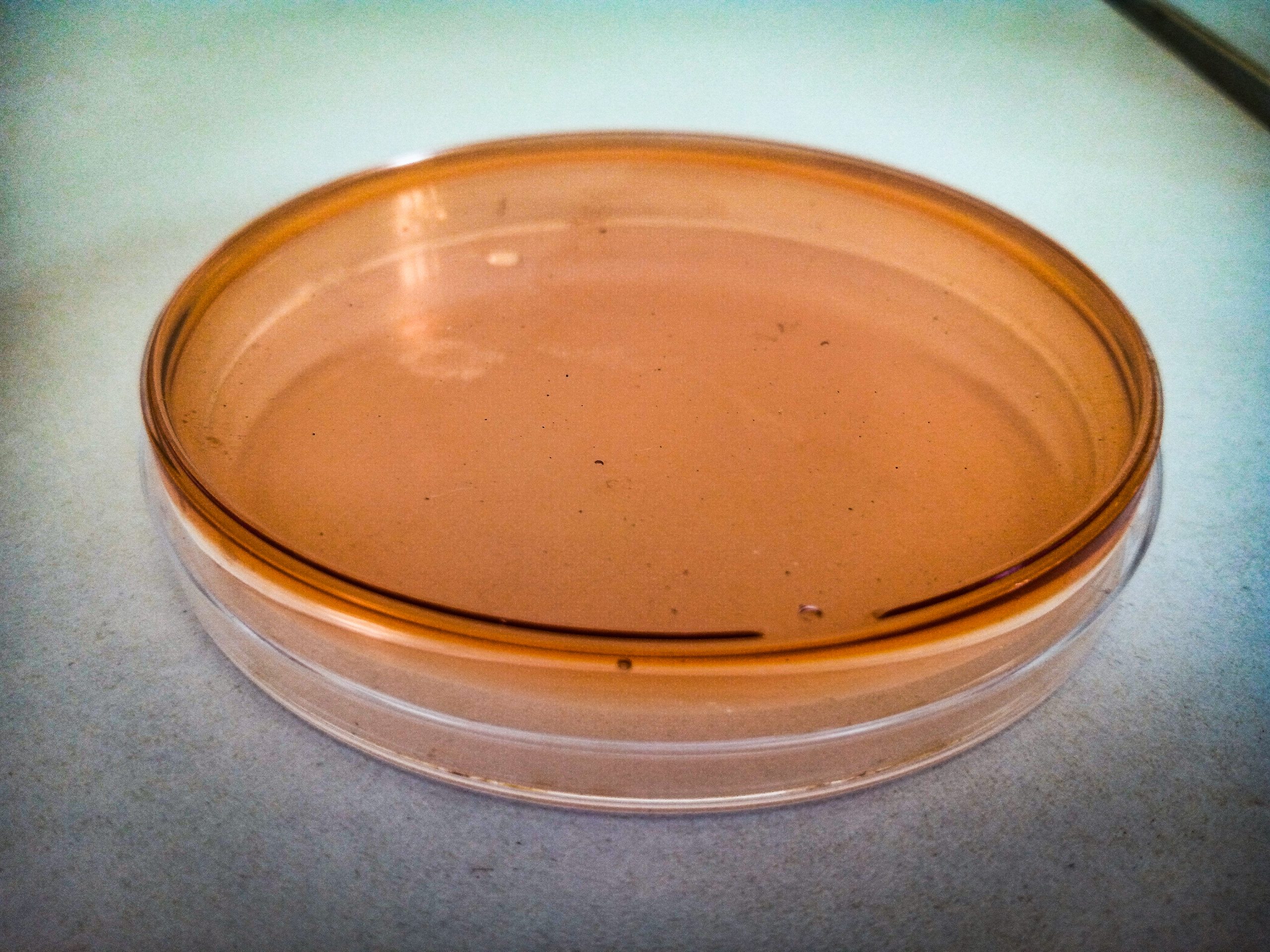
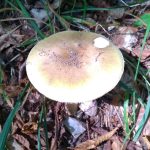
Image source: Frankincense Diala, Wikimedia Commons, CC0 1.0 — source and license details.
Agar can make some contamination easier to notice because growth spreads across a surface rather than being hidden inside grain. It also gives experienced growers a way to separate a desired growth area from an unwanted one. This requires practice: mycelium appearance varies, and contaminants can be subtle. If you cannot confidently interpret a plate, use a reputable culture supplier or seek guidance before transferring it into a large batch.
Liquid culture is a liquid medium containing living mycelium. It can be used as an inoculation material in workflows designed for it, but the liquid can make contamination harder to identify visually. Cloudiness, strands, or particles are not always diagnostic on their own. A contaminated liquid culture may spread a problem widely if used to inoculate many containers, so beginners should avoid assuming that a jar is clean just because it has visible growth.
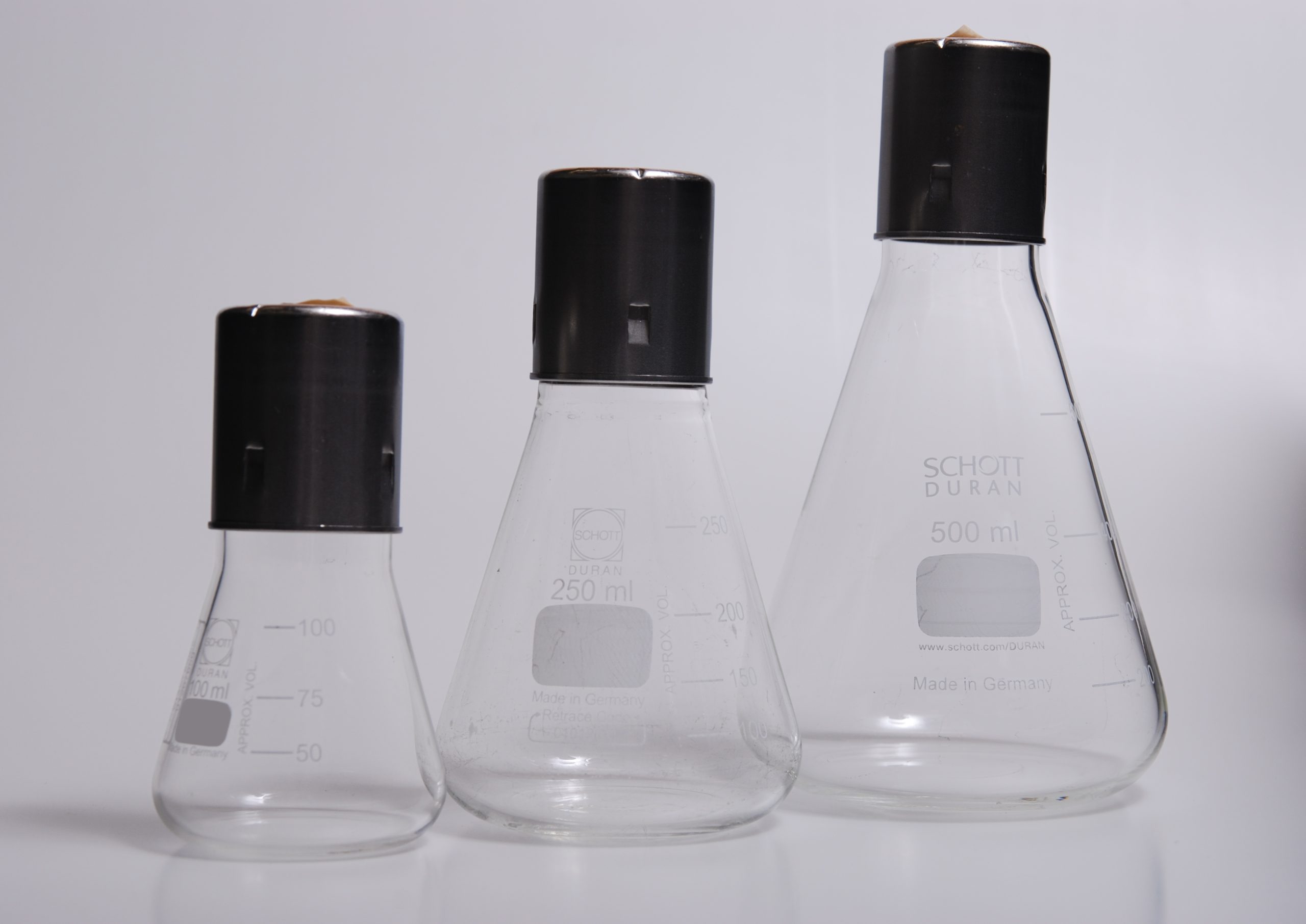
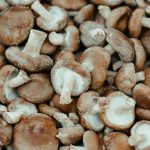
Image source: Wikimedia Commons — creator and license details on the file page — source and license details.
| Tool | Potential advantage | Main limitation |
|---|---|---|
| Agar plate | Growth can be observed and transferred selectively | Requires clean technique and experience interpreting growth |
| Liquid culture | Can distribute culture in workflows designed for liquid inoculation | Contamination can be difficult to detect before widespread use |
| Purchased spawn | Reduces the number of steps a beginner must manage | Depends on supplier quality and correct storage |
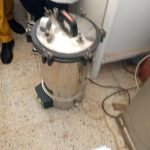
Culture work depends on reducing exposure to unwanted organisms. A clean work surface, appropriate equipment, careful organization, and a validated preparation method all matter. A still-air box or other suitable workspace may reduce airborne movement during certain tasks, but no setup guarantees sterility. Workflows that require sterilization need equipment and procedures capable of delivering the intended result; simply wiping a surface does not sterilize a culture medium.
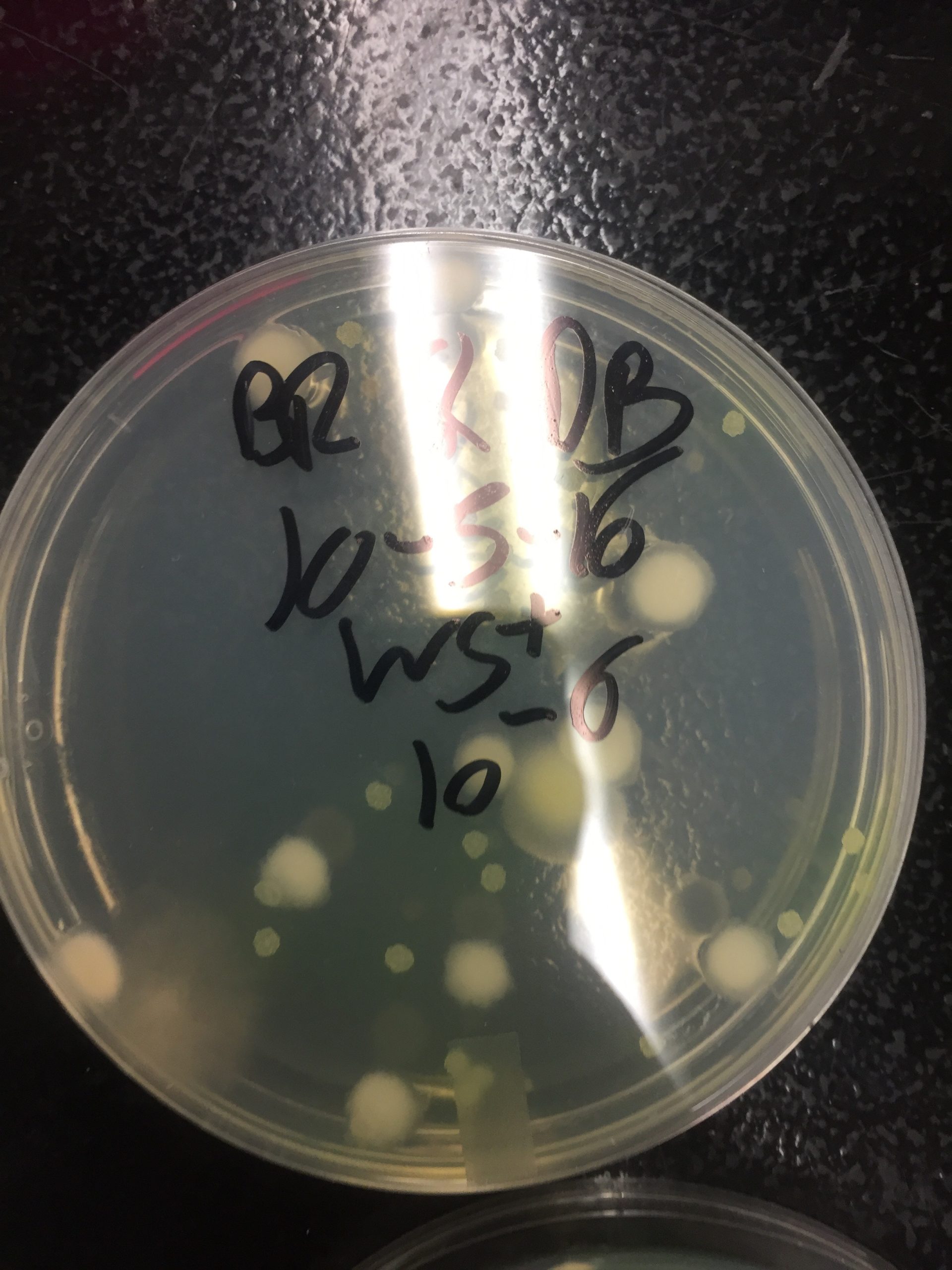
Image source: Radtk172, Wikimedia Commons — source and license details.
If your immediate goal is to harvest edible mushrooms, a reputable ready-to-fruit kit or purchased spawn is often the simpler starting point. You can learn substrate moisture, temperature, fresh air, and harvest timing without adding culture preparation. Once you can produce consistent results, agar can help you understand culture quality and liquid culture may fit a more advanced workflow. Adding multiple new techniques at once makes failures harder to diagnose.
Do not use a culture you suspect is contaminated to inoculate a large batch. Keep questionable plates or jars isolated, avoid opening them unnecessarily, and ask an experienced cultivator or supplier for help. Do not rely on smell tests or taste tests. Dispose of failed cultures safely according to the material and local guidance, and clean reusable equipment according to its instructions.
Label cultures with the species or strain as supplied, source, date, medium, and transfer history. Keep separate records for each culture rather than relying on memory or handwriting on a loose lid. When a batch succeeds, the records help you trace which culture and method were used. If a culture fails, records can help identify whether the issue is associated with a particular source, preparation session, or storage condition.
First, grow a reliable kit and learn how your chosen species responds to its environment. Next, try a substrate and spawn workflow that is already documented and appropriate to your space. Then learn the purpose of agar and how experienced growers evaluate cultures. Only after you understand the risks should you add liquid culture to a process where you can test it and limit the consequences of a failed batch.
Agar is valuable for observing and selecting culture growth; liquid culture can be useful in specific inoculation workflows but can conceal contamination. Both require appropriate preparation and careful handling. Beginners can build stronger skills by mastering one stage at a time, keeping clear records, and using purchased spawn while they learn. Our oyster guide is a good place to start with the cultivation fundamentals.


[…] you’re new to sterile work, our guide to agar and liquid culture basics is a good place to […]