Physical Address
304 North Cardinal St.
Dorchester Center, MA 02124
Physical Address
304 North Cardinal St.
Dorchester Center, MA 02124

Discover maitake mushrooms, also called hen of the woods: learn their appearance, earthy flavor, cooking methods, storage, and what research can and cannot show.
Maitake (Hen of the Woods) is the focus of this practical guide. Learn about its appearance, flavor, preparation, storage, and common questions. Wild mushroom identification requires qualified local expertise; this article is educational and does not replace expert identification or medical advice.

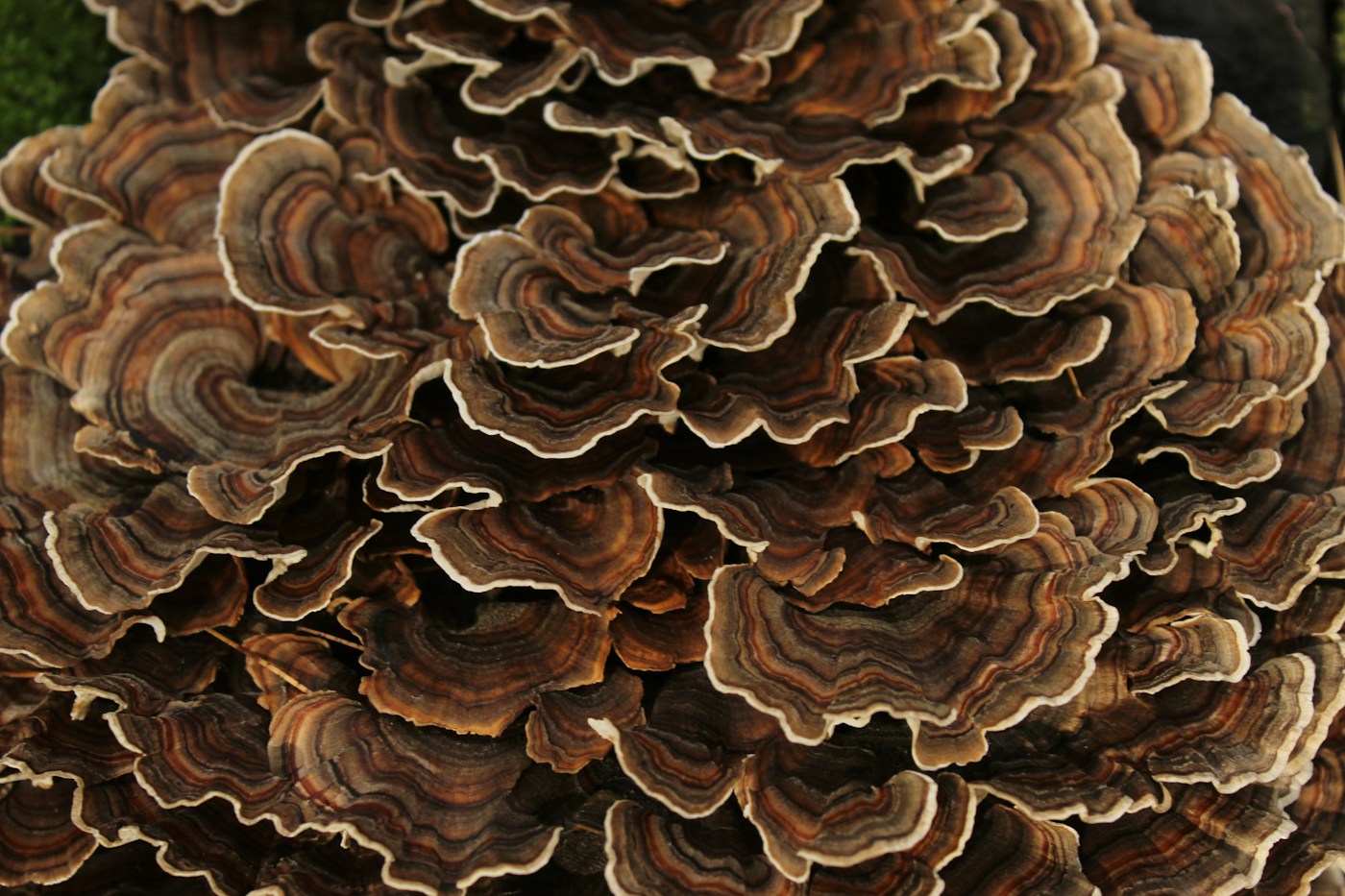
Maitake (Grifola frondosa) is an edible fungus also called hen of the woods or sheep’s head. It commonly forms large clusters near the base of mature hardwood trees, particularly oaks. Rather than producing one smooth cap and stem, a mature cluster contains many thin, overlapping, fan-shaped caps branching from a shared base. The result resembles feathers or a fluffed-up hen, which explains its memorable common name.
The Japanese word maitake is often translated as “dancing mushroom.” Stories about the name vary, but the mushroom has long been valued as a seasonal food. Today, maitake is sold fresh and dried, appears in Japanese cooking, and is also marketed in powdered supplements. These uses should be considered separately: culinary enjoyment is well established, while health claims require evidence from appropriately designed studies.
Maitake has a savory, earthy flavor and a particularly appealing mix of textures. Thin edges can become crisp when roasted, while thicker branches remain juicy. It works well in rice, noodles, soups, pasta, and simple side dishes. Cooks often choose it when they want a mushroom that brings both flavor and an interesting shape to the plate.
A typical maitake cluster is gray-brown, tan, or brown, with wavy caps arranged in a dense rosette. Individual caps are thin and often overlap like petals. The undersides are usually pale and have tiny pores rather than the obvious gills found under many familiar grocery-store mushrooms. The cluster can grow broad and heavy, especially in favorable weather.
Maitake is associated with hardwoods and may appear close to the roots or trunk base of a tree. It can return to the same area in different years, but a previous harvest does not guarantee another. Rainfall, temperature, tree health, soil conditions, and the fungus’s established mycelium all affect whether fruiting bodies appear and how large they become.
Appearance alone cannot establish that a wild mushroom is safe to eat. Age, rain, damage, and local species affect color and shape, and other wood-growing fungi can form rosettes or shelves. If you forage, learn from a qualified local expert and examine multiple features, including the underside, attachment point, host tree, and habitat. Never eat a wild specimen based only on an online photo or an app result.

Maitake can be confused with other large fungi that grow on wood, especially when specimens are old or weather damaged. Chicken of the woods, for example, often produces bright orange or yellow shelf-like brackets, while maitake is generally gray-brown and more finely divided. Other polypores may form overlapping shelves or rosettes, so color by itself is not enough for identification.
When documenting a wild find, photograph the entire cluster, the cap surfaces, the underside, and the point where it grows from the tree or soil. Note the tree species if you can identify it, the habitat, and the date. Those details give a local mushroom club or experienced identifier far more information than a close-up of the cap alone.
The safest practical option for a meal is to buy cultivated maitake from a reputable retailer. Commercial specimens are selected for food use and avoid the uncertainty of collecting unknown fungi. If you want to learn foraging, treat identification as a skill to build over time, not a shortcut based on resemblance.
Maitake tastes earthy and savory, sometimes with a peppery note. Its delicate outer edges brown quickly, while the central branches are thicker and may need more time. That combination makes roasting and pan-searing especially effective: high enough heat evaporates moisture and develops a golden surface without requiring a heavy sauce.
Trim away the tough or dirty base and separate the cluster into pieces that are similar in thickness. Brush off loose debris and rinse briefly only when needed, then dry the mushroom thoroughly. Excess surface water makes it steam instead of brown. Spread the pieces out in a pan or on a roasting tray, leaving room for moisture to escape.
For a simple side dish, toss maitake with a little oil, salt, and black pepper, then roast until the edges are crisp and the thick parts are tender. It also pairs well with rice, noodles, miso, garlic, thyme, soy sauce, and butter. For pasta or risotto, brown it first and then fold it into the dish so its flavor is not lost in liquid.

Avoid overcrowding the pan. If too many pieces are packed together, moisture collects and the mushroom softens before it browns. Cook in batches if needed, and let each piece contact the hot surface before turning it. Add delicate aromatics such as garlic toward the end so they do not burn while the mushroom cooks.
For soup, you can brown maitake first to create a deeper flavor before adding broth. For a grain bowl, roast it separately and add it at the end to preserve crisp edges. For a stir-fry, add the thicker branches first and the thin caps later, since they finish at different speeds. Cook until hot and tender throughout.
Maitake can also be torn rather than cut, which creates uneven edges that brown attractively. This is useful for tacos, sandwiches, or savory toast. Keep seasoning balanced: the mushroom has enough character to shine with simple salt, pepper, and oil, while stronger sauces should complement rather than hide it.
Maitake, like other edible mushrooms, can contribute fiber and micronutrients to a meal while remaining relatively low in calories when prepared without much added fat. Its exact nutrition depends on serving size, growing conditions, and preparation. Roasted maitake with a modest amount of oil is nutritionally different from a deep-fried dish or a creamy sauce.
Researchers have studied compounds in maitake, including beta-glucans and other polysaccharides, in laboratory and early clinical settings. Such studies can help generate questions, but they do not prove that eating maitake treats cancer, controls blood sugar, boosts immunity, or replaces prescribed therapy. Claims about a medical effect need strong human evidence and should be assessed separately from culinary nutrition.
Concentrated extracts may differ substantially from normal food portions. If you are considering a maitake supplement while taking diabetes medication, blood thinners, immunosuppressants, or treatment for a serious condition, speak with a qualified healthcare professional. Do not stop or change prescribed treatment because of a mushroom product or online testimonial.
Fresh maitake should feel firm, with intact caps and a clean earthy smell. Avoid mushrooms that are slimy, extensively discolored, or sour-smelling. Keep them refrigerated according to package instructions and use them while the edges remain fresh. Shelf life varies with harvest date, packaging, and refrigerator temperature, so rely on condition as well as the date.
Dried maitake is useful for pantry storage and can be rehydrated for soups, broths, and rice dishes. Store it in a sealed container in a cool, dry place. Protect it from moisture and discard it if mold or an unusual odor develops. If you use soaking liquid, strain it to remove grit and handle it as a food ingredient rather than leaving it warm for long periods.
Cultivated maitake offers a consistent supply for cooks who want to explore the species without foraging. If you buy wild maitake from a seller, choose a reputable source and follow local rules. Do not combine a known edible harvest with uncertain mushrooms in the same bag, because a single misidentified specimen can contaminate the whole batch.
Maitake contributes to forest ecosystems by breaking down woody material and recycling nutrients. Harvesting every cluster from a site can reduce what remains for wildlife, future spore dispersal, and other foragers. Learn the rules for the land you visit, obtain permission where required, and avoid damaging roots or the tree base while collecting.
A careful forager leaves the habitat in good condition and avoids collecting old, decaying, or uncertain specimens. Use clean tools, keep harvests separate, and record the location without trampling surrounding vegetation. The ecosystem is part of the reason the mushroom exists, so responsible collection protects the possibility of future fruiting.
Growing maitake at home is generally more demanding than cultivating beginner-friendly oyster mushrooms. It may require a suitable substrate, clean spawn, and controlled growing conditions. A reputable supplier and realistic expectations are more helpful than assuming a wild species will thrive in any container or household environment.
Is hen of the woods the same as maitake? Yes, those common names generally refer to Grifola frondosa. Is it the same as chicken of the woods? No; they are different fungi with different appearances and cooking characteristics. Can you eat maitake raw? It is generally prepared cooked, which improves texture and makes it easier for many people to digest.
Can maitake supplements treat disease? They should not be used as a replacement for standard medical care, and evidence for specific claims varies. Can a photo identify wild maitake safely? A photo can help start a discussion, but it cannot reliably establish edibility. What is the easiest way to cook it? Roasting or pan-searing with a little oil is a simple way to develop browned edges and preserve the mushroom’s texture.
Maitake is worth knowing for its distinctive rosette shape, savory flavor, and flexibility in the kitchen. Buy fresh specimens from a trusted source, dry them well before browning, and treat supplement claims with care. For readers who want to compare more varieties, our guides to oyster mushrooms and shiitake mushrooms provide useful starting points.
Explore the related guides to enoki mushrooms, king oyster mushrooms, truffles, and wood ear mushrooms. Explore more species profiles:oyster mushrooms, shiitake mushrooms, lion’s mane, button, cremini, and portobello mushrooms, and chanterelle mushrooms. Each variety has its own texture, habitat, handling needs, and culinary uses.