Physical Address
304 North Cardinal St.
Dorchester Center, MA 02124
Physical Address
304 North Cardinal St.
Dorchester Center, MA 02124

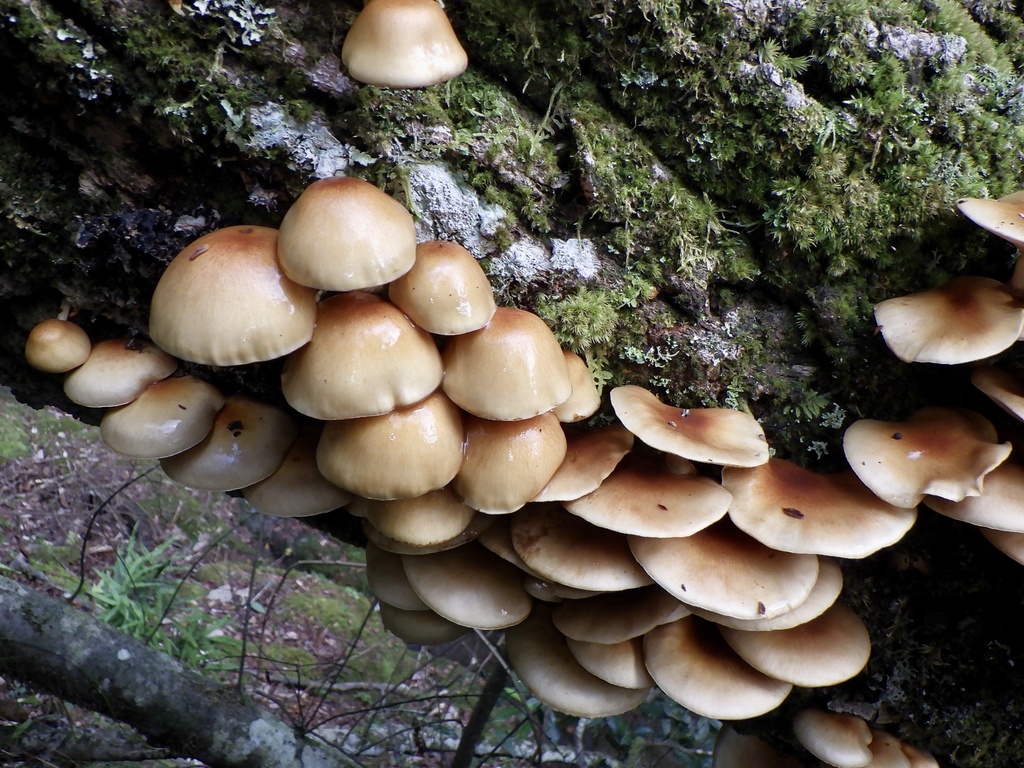
Nameko is a cool-weather mushroom that thrives on hardwood logs and in unheated rooms. Learn which woods to use, how long logs take, the indoor fruiting targets from research and suppliers, and why the harvest needs to go straight into the fridge.
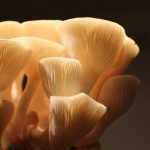
Nameko (Pholiota microspora, often sold as Pholiota nameko) is the small, amber-orange mushroom with a glossy, jelly-like coating that gives Japanese miso soup its silky texture. It is not as well known as shiitake or oyster outside East Asia, but it is one of the best mushrooms for growers in cool, damp climates. It fruits when the weather turns cold, grows well on a wide range of hardwood logs, and keeps producing for years once established.
This guide covers the two practical ways to grow it: outdoor logs, which are the traditional and most forgiving route, and indoor sawdust blocks or kits. The figures come from a Korean cultivation study, from spawn suppliers’ growing instructions, and from Japanese research on keeping the harvest fresh.
Many popular gourmet mushrooms prefer mild or warm conditions, but nameko leans cool. North Spore says it fruits in autumn “when cooler temperatures set in” and needs constant humidity. The company adds that it is not ideal for hot or dry climates. La Mycosphère, a French spawn producer, gives a fruiting range of roughly 7 to 18°C, mainly in autumn and sometimes in spring.
So if your summers are mild and your autumns are wet, nameko may do better for you than many species that need warmth. If you live somewhere hot and dry, it can still be grown indoors, but outdoor logs will struggle.
| Outdoor logs | Indoor blocks or kits | |
|---|---|---|
| Best for | Cool, damp gardens with shade | Any climate, with a cool room in autumn or winter |
| Time to first harvest | About 6 to 18 months after inoculation | A few weeks once a ready-made block is opened |
| How long it produces | About 3 to 7 years per log | Usually 1 or 2 flushes |
| Effort | Mostly one day’s work, then occasional watering | Daily misting during fruiting |
| Fruiting temperature | Roughly 7 to 18°C | About 10 to 20°C (kit instructions) |
Log growing is the method North Spore recommends for nameko, which it says prefers log and stump methods. If you have grown shiitake on hardwood logs, the process will be familiar.
Nameko accepts a wider range of wood than many log species. North Spore lists aspen, beech, buckeye, cherry, chestnut, cottonwood, hophornbeam, hornbeam, hard maple, oak and sweetgum as the best choices. It lists alder, ash, basswood, birch, elm, eucalyptus, hackberry, soft maple, mulberry, pine and willow as also suitable, and says to avoid hemlock. La Mycosphère’s list overlaps (beech, oak, maple, hornbeam, wild cherry, chestnut, poplar and birch) but advises against conifers. Where the two suppliers disagree, as they do on pine, it’s safest to stick with hardwoods.
Use freshly cut, healthy wood. North Spore recommends inoculating within 2 to 4 weeks of cutting. La Mycosphère suggests logs cut within the last three months, ideally in autumn, winter or early spring, before the sap rises.
Place the logs in shade, somewhere damp and sheltered from wind. North Spore suggests keeping them close to the ground. La Mycosphère suggests raising them slightly off it. Either way, the main danger is drying out. Both suppliers recommend watering or soaking the logs in dry or hot spells. North Spore also warns that full sun and windy spots can crack the bark.
Expect a wait. North Spore says most logs take 6 to 12 months to produce their first flush. La Mycosphère gives 12 to 18 months, depending on the wood, the log’s diameter and the weather. Our comparison of log growing and bag growing explains why logs are slower but longer-lasting.
Once colonised, logs usually fruit in autumn as temperatures drop and rain returns, sometimes with a smaller flush in spring. Pick the clusters when the caps are just beginning to flatten, which is the point Root Lab recommends for its kits, so that you avoid heavy spore drop. Twist or cut them off at the base. North Spore says an established log can fruit for 3 to 7 years. La Mycosphère gives about 3 to 5 years, depending on the wood, diameter and conditions.
This is how the suppliers’ timings fit together for a typical temperate garden. Your dates will shift with your climate.
| When | What to do |
|---|---|
| Late autumn to early spring (year 1) | Cut healthy hardwood before the sap rises, and inoculate within a few weeks |
| Spring to autumn (year 1) | Keep the logs shaded and sheltered, and water them in dry spells |
| Autumn (year 1 or 2) | Watch for the first flush after 6 to 18 months, once cool, wet weather arrives |
| Each autumn after that, sometimes spring too | Harvest flushes for about 3 to 7 years. Replace logs as they soften and stop producing |
Indoor growing gives you nameko without the long wait. You can buy a ready-to-fruit kit or make your own sterilised sawdust blocks.
A 2006 study by Kim and colleagues in the Journal of Mushroom Science and Production tested nameko in bottles and bags in Korea. Its key findings:
The lesson for home growers is that nameko rewards patience even indoors. A block that has been fully colonised for a while fruits better than one opened the moment it turns white.
Supplemented sawdust needs full sterilisation, not just pasteurisation, before you add spawn. Our explainer on sterilisation versus pasteurisation explains why.
The Australian supplier Root Lab gives these targets for its nameko kit:
Because nameko likes cool conditions, an unheated room, garage or porch in late autumn is often the easiest fruiting space. Our guide to winter mushroom growing indoors has more ideas for cold-season set-ups. Our explainer on cold shocking covers using a temperature drop to trigger fruiting more generally.
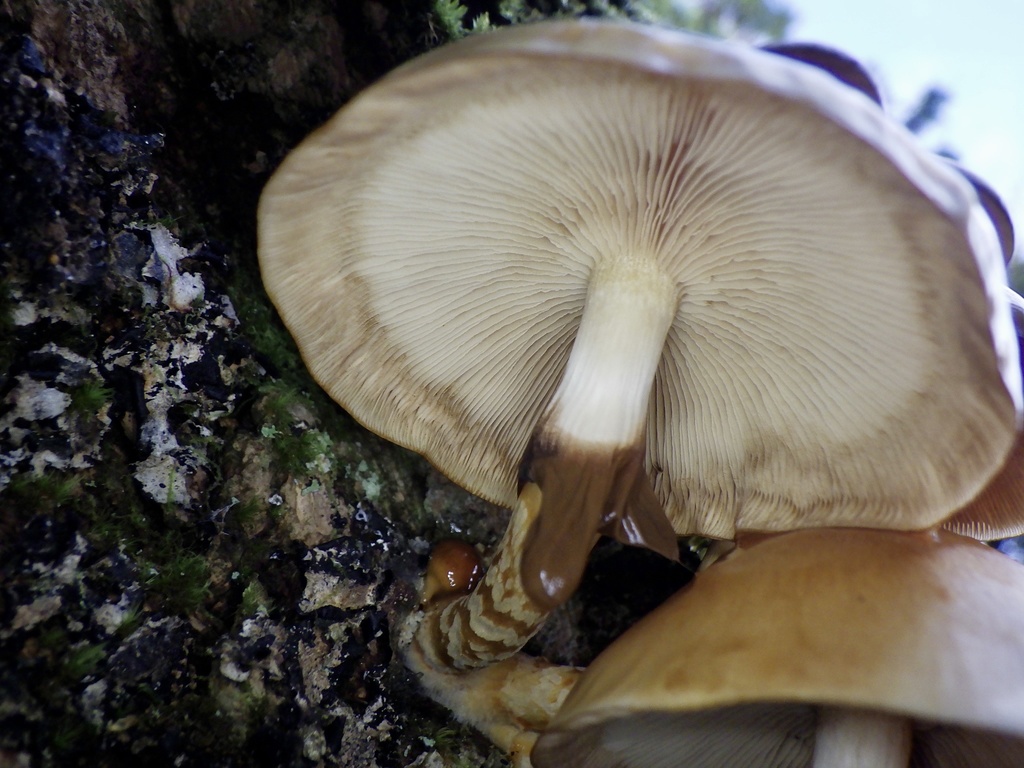
Nameko spoils quickly at room temperature. A 2014 study by Minato and colleagues in Mushroom Science and Biotechnology found that nameko stored at 25°C turned brown and lost weight within two days. The browning was driven by a rapid rise in polyphenol oxidase, an enzyme that also browns cut apples. At 5°C, the mushrooms stayed fresh for more than a week, and the enzyme showed minimal activity.
In practice:
North Spore describes cooked nameko as earthy, with subtle fruity notes. It also notes that its gelatinous caps can thicken soups and sauces, which is why nameko is a classic in miso soup. It advises cooking the mushrooms thoroughly, and trying a small amount the first time you eat them in case of an allergy. That advice applies to any new mushroom.
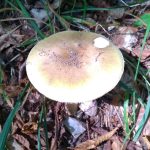
Nameko belongs to Pholiota, a genus of mostly wood-growing mushrooms, many of which are orange to brown. A cluster of small brown mushrooms on a log in your garden is not necessarily one you planted. Several small brown wood-growing mushrooms are hard to tell apart, and some are dangerous. Only eat mushrooms from your own logs when they appeared where you inoculated, look like your earlier harvests, and you are confident of the identification. If in doubt, ask an experienced local identifier, and never rely on a photo or a description alone.
Featured and inline photos: りなべる via iNaturalist (photo 1, photo 2), licensed CC BY 4.0.