Physical Address
304 North Cardinal St.
Dorchester Center, MA 02124
Physical Address
304 North Cardinal St.
Dorchester Center, MA 02124

A winter mushroom-growing guide covering stable indoor locations, heating-related dryness, species choice, and troubleshooting.
Winter does not have to mean stopping mushroom cultivation. Indoor kits can fruit throughout the year if the room remains within the strain’s recommended range, but winter brings specific challenges: heating can dry the air, windows and exterior walls can create cold spots, and temperature may fluctuate sharply near radiators or drafts. Outdoor logs and beds follow a different timetable and should be managed according to the species, wood, and local climate.
A thermostat across the room may not reflect the conditions next to a window, on the floor, or above a heater. Put a thermometer near the planned growing location and check it at different times of day. Compare those readings with the kit’s instructions for colonization and fruiting; the two stages may have different preferred ranges. If your home is too warm for a cool-fruiting strain, changing the location or choosing a better-matched strain is often simpler than trying to cool a whole room.
Central heating and portable heaters can lower relative humidity and dry young mushrooms. A block may look fine at first, then develop cracked cap edges or pins that stop growing. Use the humidity method recommended for the kit and keep the grow away from a direct warm draft. Do not compensate by soaking the substrate or spraying water everywhere; standing water and persistent dampness can create other problems.
Closing every opening to keep the room warm can leave a fruiting chamber with poor air exchange. Mushrooms need fresh air, and some species show distorted growth when carbon dioxide accumulates. Ventilate according to the strain’s needs while avoiding a cold, drying draft directly across the block. If you use a fan, aim for gentle room circulation rather than blasting the mushrooms.
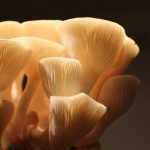
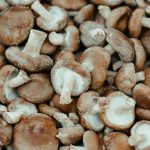
A ready-to-fruit kit is usually the most manageable winter option because the substrate preparation is already done. Oyster strains vary in their fruiting preferences, so check the exact strain and the expected room temperature. Lion’s mane and shiitake blocks may also be grown indoors, but they have their own temperature and humidity requirements. A log project is not equivalent to an indoor kit: it may need months to colonize and may respond to seasonal cues.
Many cultivated mushrooms benefit from light as a cue for normal fruiting, but direct winter sunlight through glass can still heat a small enclosure unevenly. Indirect daylight or suitable room lighting may be enough for many kits. Follow the instructions for your species before investing in special lamps. Keep electrical equipment safely away from water and humidifiers.
For outdoor projects, avoid assuming that cold weather means the logs need to be brought indoors. Many log systems are designed to remain outdoors in a suitable shaded location, but local weather, wood moisture, and strain type matter. Protect logs from severe drying and physical damage, and follow the spawn supplier’s advice about winter care. Do not repeatedly move logs between warm indoor air and freezing outdoor conditions unless the method specifically calls for it.
If pins stall, check temperature and surface drying before changing several variables. If caps crack, review humidity and direct airflow. If oyster mushrooms develop long stems and small caps, check fresh-air exchange. If the block has not colonized or is not yet ready to fruit, environmental tweaks may not help. If contamination is suspected, isolate the block and avoid opening it indoors.
Heating or cooling an entire room for one small kit can cost more than the crop is worth. Start by finding a naturally stable location and using a small enclosure appropriate to the species. Add equipment only when you have identified a real limitation. For repeated or larger grows, track energy costs as well as harvest weight so you can decide whether winter production is worthwhile.
Harvest only from a known, healthy cultivated block. Do not eat mushrooms that appear unexpectedly in houseplants or damp corners just because they resemble a familiar species. Clean up spills and prevent persistent household dampness. If a block develops mould or a foul smell, isolate it and follow supplier guidance for disposal.
Winter growing is mainly about stability: suitable temperature, humidity without waterlogging, and enough fresh air. Choose a strain that matches the room you have, protect the crop from heating-related dryness, and keep records. The NCAT mushroom cultivation guide provides additional background on how environmental needs differ by species, while our oyster guide introduces one common indoor option.