Physical Address
304 North Cardinal St.
Dorchester Center, MA 02124
Physical Address
304 North Cardinal St.
Dorchester Center, MA 02124

A careful guide to cold shocking in mushroom cultivation, including species differences, timing, and common misunderstandings.
Cold shocking is a deliberate change in temperature used in some mushroom cultivation systems to help trigger fruiting. It is not a universal requirement, and the term can describe different practices depending on the species and method. Some mushrooms respond to seasonal temperature shifts; others fruit when a mature block receives the correct combination of humidity, fresh air, light, and temperature. Before chilling a block, confirm that the method is recommended for your exact species and strain.
In nature, a change in temperature may coincide with other seasonal signals such as rainfall and changing day length. Some cultivation protocols use a temperature shift to mimic part of that transition. But the cue only makes sense when the mycelium has reached the appropriate stage. A temperature drop cannot compensate for an immature block, weak spawn, unsuitable substrate, or poor fruiting conditions.
Requirements vary across species and strains. Certain shiitake log systems use seasonal changes or controlled soaking and temperature conditions, while many ready-to-fruit oyster kits are designed to fruit without a separate cold-shock step. A supplier may recommend a specific trigger for a particular strain, but it should not be generalized to every mushroom. Ask what the protocol is intended to achieve and at what stage it should be applied.
Look for the supplier’s criteria for a fully colonized or mature block. Some systems need a resting period before fruiting, and others are sold ready to fruit. If the block is not mature, chilling it may simply slow development. Keep notes on the inoculation date, colonization progress, and any recommended rest period so you can distinguish a normal timeline from a problem.
Do not interpret the term as a reason to put every block in a freezer or expose it to uncontrolled extreme cold. Excessive stress can damage a culture or create condensation and moisture problems when it warms again. Use only the specified temperature range, duration, and handling steps for the intended species and method. If the supplier does not recommend a cold treatment, do not add one simply because a grow has stalled.
When a cold block moves into warmer air, condensation may form on surfaces. If the block is already wet or the chamber has poor airflow, persistent moisture can create additional problems. If a temperature trigger is part of the method, prepare the fruiting environment in advance and monitor both temperature and moisture. Avoid leaving the substrate in standing water unless the protocol specifically calls for a controlled soak.
First check whether the block is ready, then review temperature, humidity, fresh-air exchange, light, and substrate condition. Long stems and small caps in oysters can indicate inadequate fresh air; dry pins can reflect moisture stress; a contaminated block will not be fixed by a temperature drop. If you see unusual colours, slimy areas, or a strong unpleasant smell, isolate the block and avoid opening it indoors.
If you have a documented protocol and want to understand its effect, compare similar blocks under the same conditions, changing only the recommended trigger. Record the stage of maturity, temperature history, time to pinning, and harvest weight. Do not apply an untested extreme treatment to every block; one failed batch can be costly, and a result from a single block may not be repeatable.
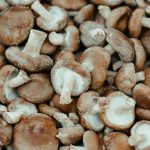
Shiitake logs, sawdust blocks, and ready-to-fruit oyster kits differ in substrate, maturity, and environmental needs. A method designed for a log-growing system should not automatically be applied to a bag-grown block. Follow the guidance for the exact substrate and spawn type. Our shiitake overview and oyster mushroom guide provide background on two different cultivation paths.
Cold shocking is a species- and method-specific tool, not a universal solution for stalled mushrooms. Verify maturity, follow a tested protocol, avoid extreme temperature changes, and keep moisture and airflow in balance. When a block does not fruit, diagnose the basic growing conditions before assuming a cold shock is missing.