Physical Address
304 North Cardinal St.
Dorchester Center, MA 02124
Physical Address
304 North Cardinal St.
Dorchester Center, MA 02124

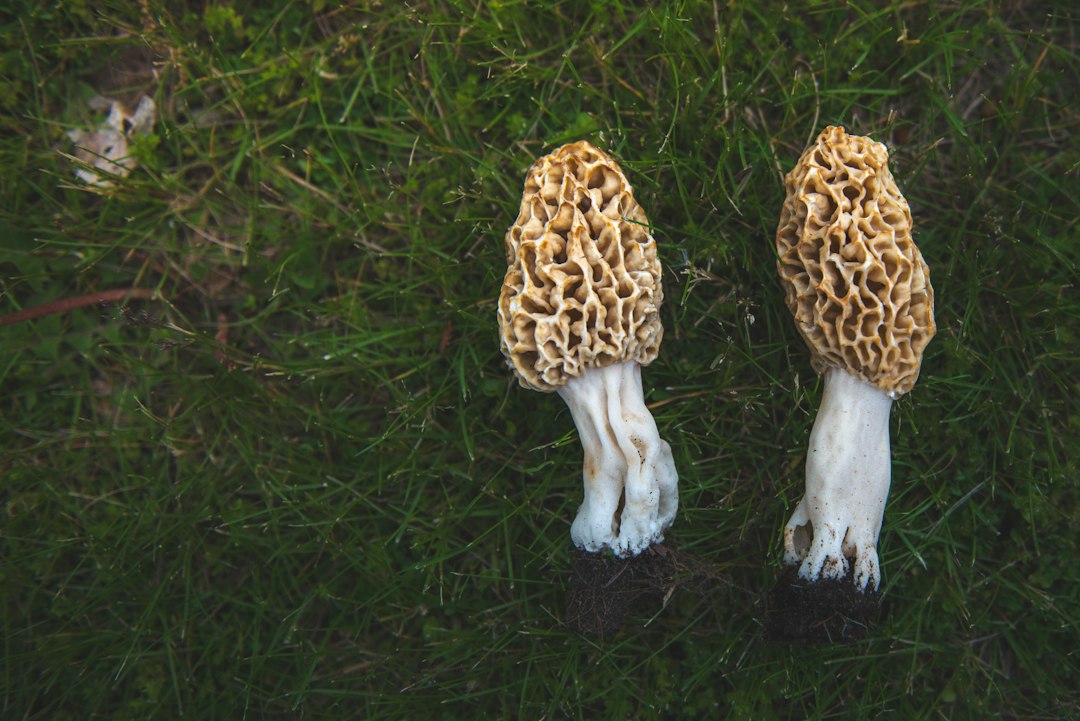
Morels are among the most eagerly anticipated spring mushrooms for experienced foragers. Their honeycomb-like caps, brief seasonal appearance, and distinct
Morels are among the most eagerly anticipated spring mushrooms for experienced foragers. Their honeycomb-like caps, brief seasonal appearance, and distinctive culinary flavour have earned them a devoted following. They also demand caution: morels have lookalikes, and correct identification is essential.
True morels belong to the genus Morchella and usually have a deeply pitted cap attached to the stem. Colour and shape vary by species and age. A photograph can help document a find, but it is not a sufficient basis for deciding that a wild mushroom is safe to eat.
Morels often appear during a limited spring window, with timing influenced by local climate, soil moisture, elevation, and tree cover. Experienced foragers keep notes on habitats and weather, but no single calendar date guarantees a flush. Local rules may restrict collection in parks or protected areas.

Morels have a rich, earthy flavour and a hollow structure that holds sauces. Clean them carefully to remove grit and insects, and cook them thoroughly. Never eat morels raw or undercooked; even correctly identified true morels can cause illness if improperly prepared.

False morels and other wild fungi can be toxic, and common names vary by region. Do not rely on a single trait such as cap colour or a picture-match app. Learn from a qualified local expert or mycological society, examine several features, and do not eat a specimen unless its identity is certain.

Take only what local regulations allow, leave habitat intact, and avoid collecting near roads, industrial sites, or contaminated ground. Keep specimens separate from other mushrooms and transport them in a breathable basket. If you are new to foraging, start with education and observation rather than a meal.
Can you eat morels raw? No—cook them thoroughly. Are all honeycomb-capped mushrooms true morels? No. Can an app confirm edibility? No app should be treated as a safety guarantee. For food safety guidance, see Utah State University Extension’s mushroom guide.
Continue with Button, Cremini, and Portobello: One Mushroom, Three Names or Chanterelles: The Golden Mushroom of Fine Dining. For a beginner-friendly overview, read Best Mushrooms to Grow at Home and browse the Nature and Food categories.


[…] with Turkey Tail: The Colorful Mushroom Studied for Immune Support or Morels: Why Foragers Obsess Over This Spring Treasure. For a beginner-friendly overview, read Best Mushrooms to Grow at Home and browse the Nature and […]
[…] aroma complement rather than overwhelm the dish. For more familiar species, explore our guides to morel mushrooms and […]