Physical Address
304 North Cardinal St.
Dorchester Center, MA 02124
Physical Address
304 North Cardinal St.
Dorchester Center, MA 02124

Reishi is the common name used for several glossy, woody polypore mushrooms, especially Ganoderma species. It has a long place in East Asian tradi
Reishi is the common name used for several glossy, woody polypore mushrooms, especially Ganoderma species. It has a long place in East Asian traditional practices and is often marketed today as the ‘mushroom of immortality.’ That nickname reflects cultural history, not a promise of longer life.
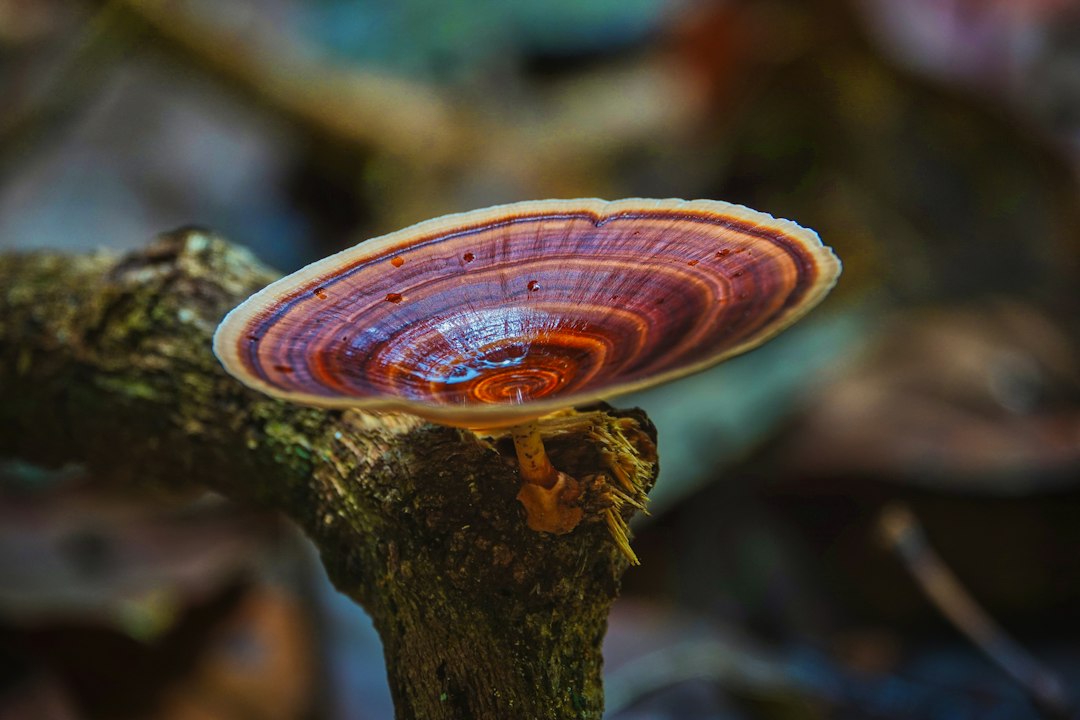
Reishi mushrooms often form kidney-shaped or fan-shaped caps with a varnished red-brown surface and pale growing edge. They grow on wood and are much tougher than everyday culinary mushrooms. The name reishi may refer to related species, so scientific naming and product labelling matter.
Reishi has been used in traditional preparations and is now sold as powders, teas, capsules, and extracts. Because the mushroom is woody and bitter, many commercial products are concentrated or processed rather than eaten as a fresh vegetable.

Researchers study reishi compounds for a range of possible biological effects, but traditional use and laboratory findings do not establish that a supplement treats cancer, boosts immunity in a clinically meaningful way, or prevents ageing. Memorial Sloan Kettering’s evidence overview describes reported uses, limitations, and safety concerns.

Reishi supplements may cause nausea, insomnia, or, rarely, liver injury. They may increase bleeding risk with anticoagulants such as warfarin and may be unsuitable with immunosuppressant medicines. Speak with a healthcare professional before using a concentrated product, especially if you have a medical condition or take medication.

Specialist growers may cultivate reishi on prepared hardwood substrates under controlled conditions. It is a slower and more technical project than a basic oyster kit. Do not collect or consume a wild polypore because it resembles a photograph; identification and contamination risks require care.
Can reishi be eaten like button mushrooms? It is usually too woody and bitter for that use. Does it guarantee longevity? No. Are supplements risk-free because they are natural? No—natural products can have side effects and drug interactions.
Continue with Lion’s Mane: Everything You Need to Know About the “Brain Mushroom” or Chaga: The Birch Tree Fungus Behind the Wellness Trend. For a beginner-friendly overview, read Best Mushrooms to Grow at Home and browse the Nature and Food categories.