Physical Address
304 North Cardinal St.
Dorchester Center, MA 02124
Physical Address
304 North Cardinal St.
Dorchester Center, MA 02124

Understand mushroom spawn and the differences between grain, sawdust, and plug spawn, including common uses, handling, storage, and contamination warning signs.
Mushroom spawn is material already colonized by the desired fungus, used to introduce that fungus into a larger growing substrate. It is often described as the mushroom grower’s equivalent of seed, but the comparison is not exact: spawn contains living mycelium growing through a carrier material. The carrier affects how the spawn is handled and where it is most useful. Grain spawn, sawdust spawn, and plug spawn each suit different cultivation systems.
Healthy, correctly identified spawn gives a grow a strong starting point. Contaminated or poorly stored spawn can introduce problems before the substrate is inoculated. Buy from a supplier that identifies the species or strain, explains storage requirements, and provides clear instructions. On arrival, check the packaging and appearance against the supplier’s guidance. Do not open a questionable bag indoors or mix it into a healthy batch.
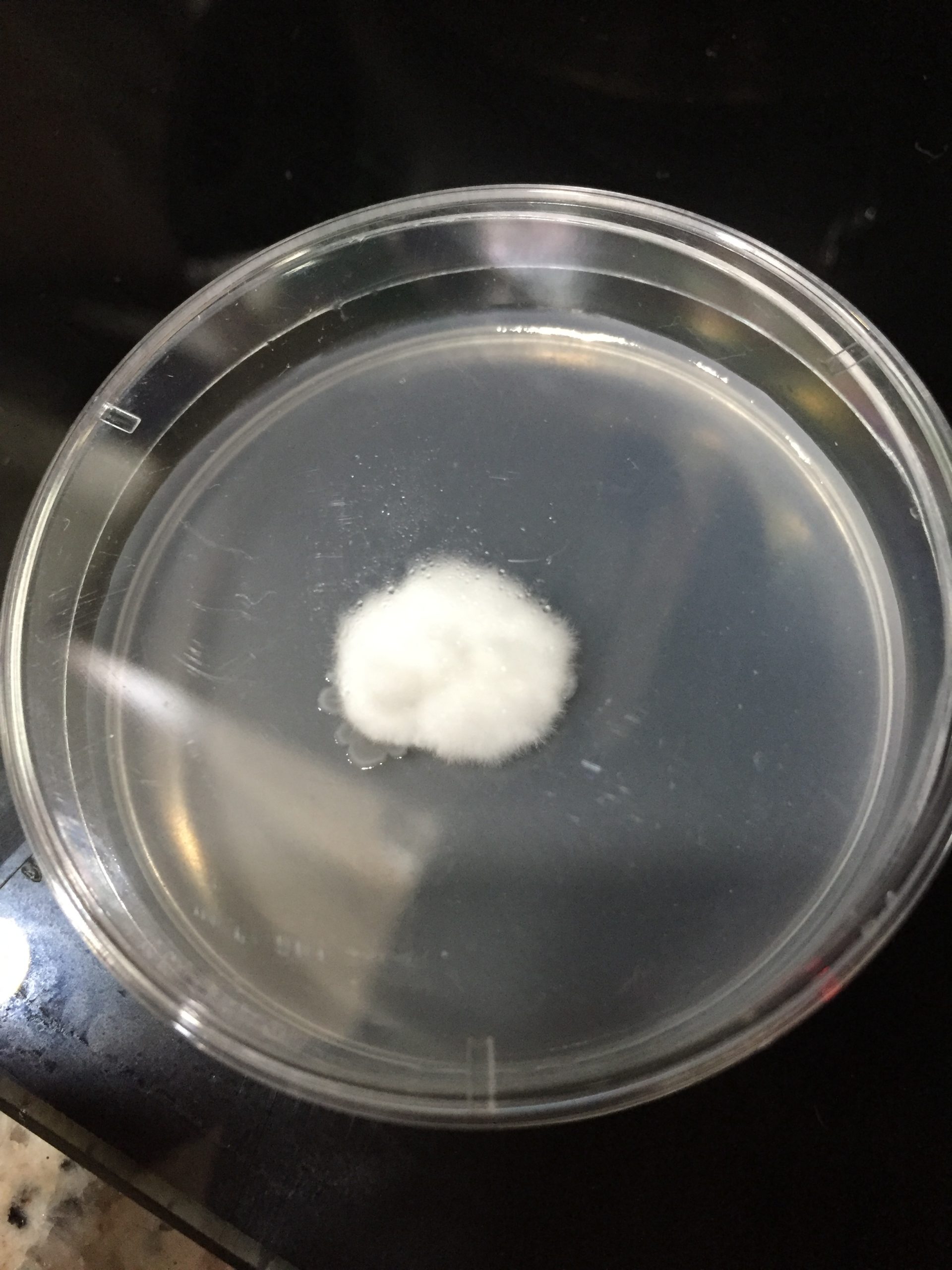
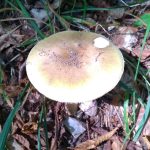
Image source: Zenyrgarden, Wikimedia Commons — source and license details.
Grain spawn uses sterilized grain colonized by mycelium. Individual kernels distribute through a substrate, creating many points from which the fungus can grow. It is commonly used to inoculate bulk substrates, especially in controlled bag-growing workflows. The grain should be fully colonized according to the supplier’s criteria and free of obvious contamination. Grain spawn is nutrient-rich, which makes clean handling and appropriate substrate preparation especially important.
Grain spawn is not automatically the best choice for every project. It can be inconvenient for outdoor log inoculation, and it requires a substrate system compatible with the grower’s preparation method. If you are new, purchasing quality spawn is usually easier than attempting to make it yourself before you understand the basics of contamination control.
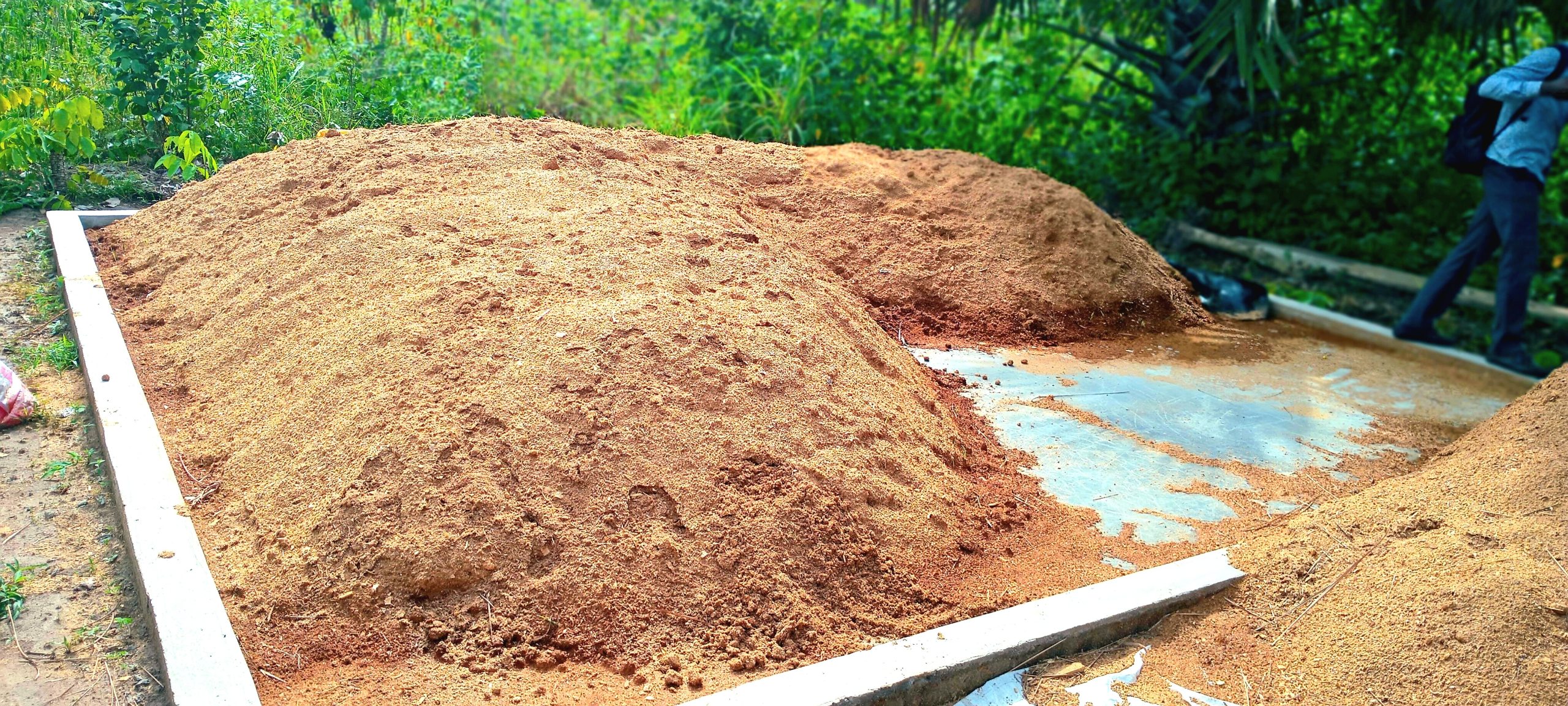
Sawdust spawn is mycelium growing through a sawdust-based carrier. It is often used for wood-loving species and may be used in bags, outdoor beds, or log inoculation depending on the product. Some sawdust spawn is formulated for plugging or spreading into prepared wood, while other products are intended for bulk substrate. Read the label carefully; “sawdust spawn” does not mean every bag is appropriate for every method.
Plug spawn consists of small wooden dowels colonized by mycelium. Growers insert these plugs into drilled holes in suitable logs and seal the holes according to the chosen method. Plug spawn is convenient because the pieces fit into holes and can be handled individually. The number and spacing of holes, wood species, log freshness, sealing method, and incubation location all affect success; follow instructions specific to the spawn and mushroom.
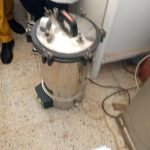
Image source: Luis Fernando Flores LAB, Wikimedia Commons — source and license details.
| Spawn type | Often used for | Check before buying |
|---|---|---|
| Grain spawn | Inoculating prepared bulk substrates | Compatibility with substrate and clean handling needs |
| Sawdust spawn | Wood-based bags, beds, or some log systems | Whether the product is intended for your exact method |
| Plug spawn | Inoculating drilled logs | Suitable wood species, hole spacing, and sealing instructions |
Spawn is living material, so storage conditions and shelf life matter. Follow the supplier’s temperature and use-by guidance rather than assuming every spawn type belongs in the same environment. Avoid leaving spawn in a hot vehicle, exposing it to direct sunlight, or using it long after the recommended date. Keep packages closed until you are ready to inoculate and prepare tools and workspace in advance so the material is exposed for as little time as practical.
There is no single spawn rate that applies to all species, substrates, and containers. A higher rate may speed colonization in some systems, but it also increases material cost and does not fix unsuitable moisture or poor preparation. Use a tested recipe for the species and substrate you selected. When experimenting, weigh the spawn and substrate so you can repeat a result instead of relying on estimates by eye.
Experienced growers may expand cultures through grain or sawdust workflows, but doing so requires reliable culture, suitable equipment, careful preparation, and a way to detect contamination. Home-made spawn is not automatically cheaper once failed batches, time, energy, and consumables are included. Beginners can learn more efficiently by starting with purchased spawn, then changing one part of the process at a time after achieving consistent results.
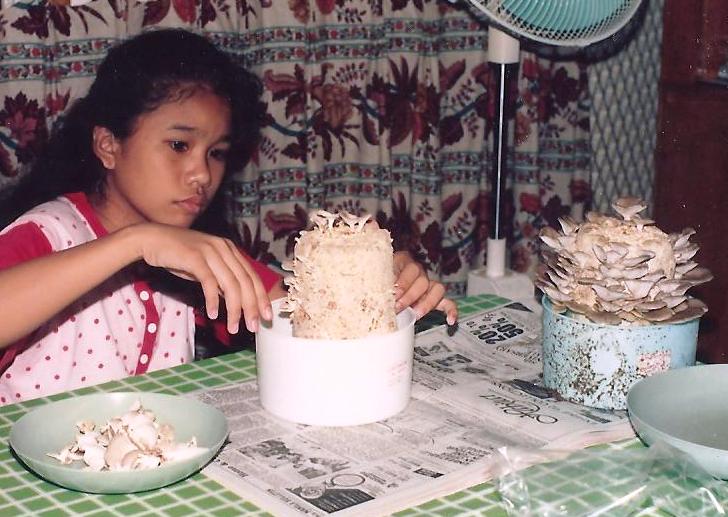
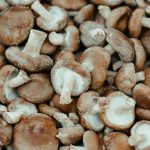
Image source: Jose A. Fadul, Wikimedia Commons — source and license details.
Compare the spawn with the supplier’s expected appearance. Unexpected bright or unusual colours, wet slimy patches, damaged packaging, or strong unpleasant odours can indicate a problem, but visual signs are not a complete identification method. If something seems wrong, isolate the package, contact the supplier, and avoid opening it in the growing area. Do not try to rescue questionable spawn by mixing it with a healthy batch.
For a first indoor project, choose a reputable supplier, one species, one compatible substrate, and a documented procedure. Record when the spawn arrives, how it was stored, the inoculation date, colonization progress, and harvest. For a long-term outdoor project, choose plug or sawdust spawn explicitly intended for the logs or bed you plan to use. Our shiitake guide and oyster guide provide context on two popular cultivated mushrooms.
Grain spawn is a common choice for bulk substrate inoculation, sawdust spawn is useful in wood-based systems, and plug spawn is designed for drilled logs. The best option is the one explicitly suited to your mushroom, substrate, and method. Good spawn helps, but it cannot compensate for the wrong substrate, poor moisture management, or inadequate preparation.


[…] you are new to the idea, our explainer on grain, sawdust and plug spawn covers what spawn is and the different […]