Physical Address
304 North Cardinal St.
Dorchester Center, MA 02124
Physical Address
304 North Cardinal St.
Dorchester Center, MA 02124

Troubleshoot stalled mushroom grows by checking colonization, temperature, humidity, fresh air, light, substrate moisture, and kit instructions.
When a mushroom block does not fruit, it is tempting to change everything at once: mist more, move it to a warmer room, add light, or cut more openings. That makes troubleshooting harder because you cannot tell which factor mattered. A better approach is to identify the stage the grow has reached, compare the conditions with the instructions for that species and strain, and check the most likely causes one by one.
A block that has not fully colonized may not be ready to fruit. The expected appearance and timeline depend on species, substrate, strain, and temperature. Some kits arrive ready to fruit; others need an incubation period. Check the instructions and purchase date before assuming that a delay means something is wrong. Do not cut extra openings or soak the block unless the method calls for it.
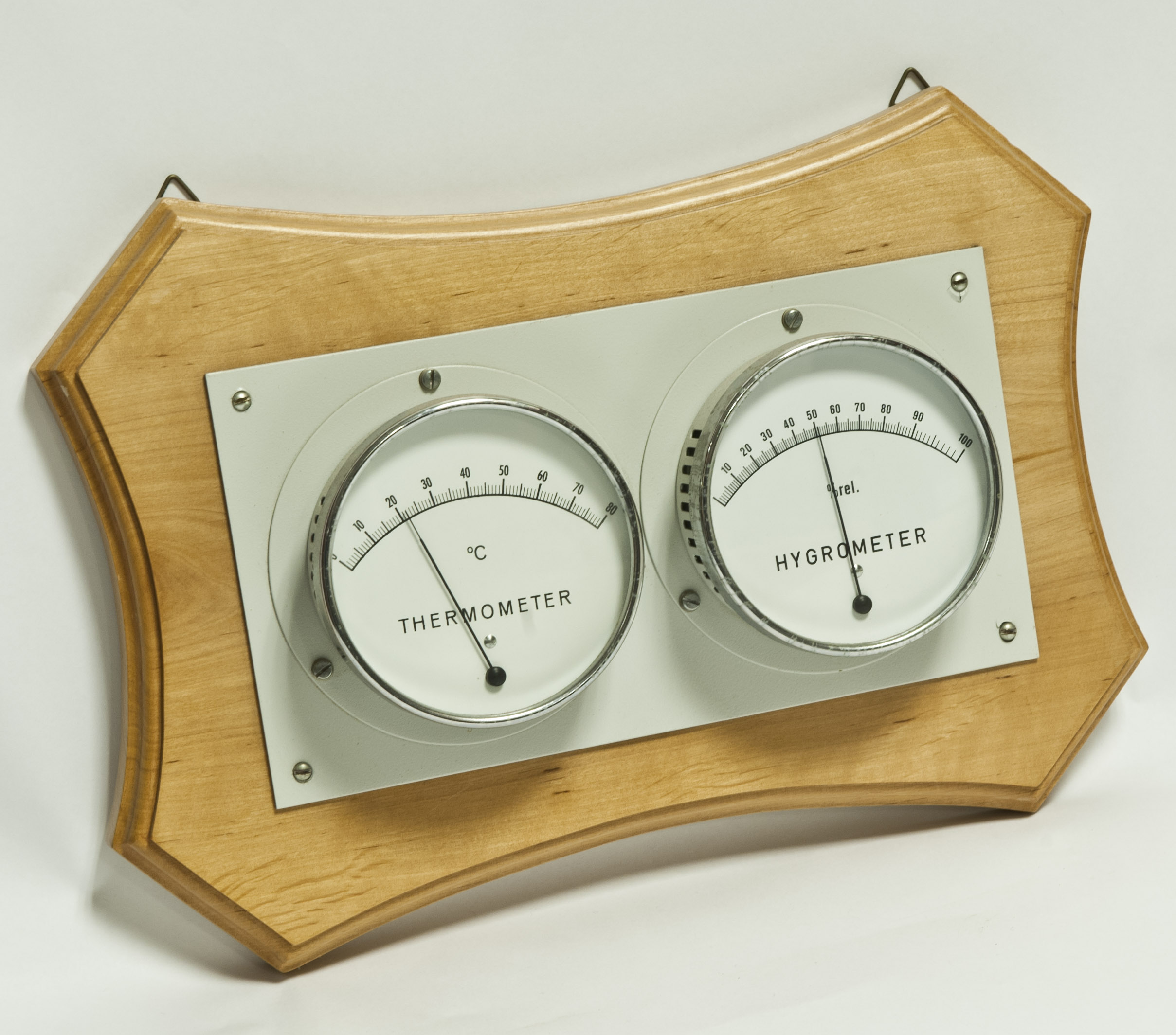
Room temperature can differ from the temperature beside a sunny window, above a refrigerator, in a cupboard, or near a heater. Use a thermometer close to the block and compare the reading with the supplier’s range for colonization or fruiting. These stages can have different preferences. Sudden changes and temperatures outside the strain’s range can slow development or damage pins. Avoid copying a number from another species or a different strain.
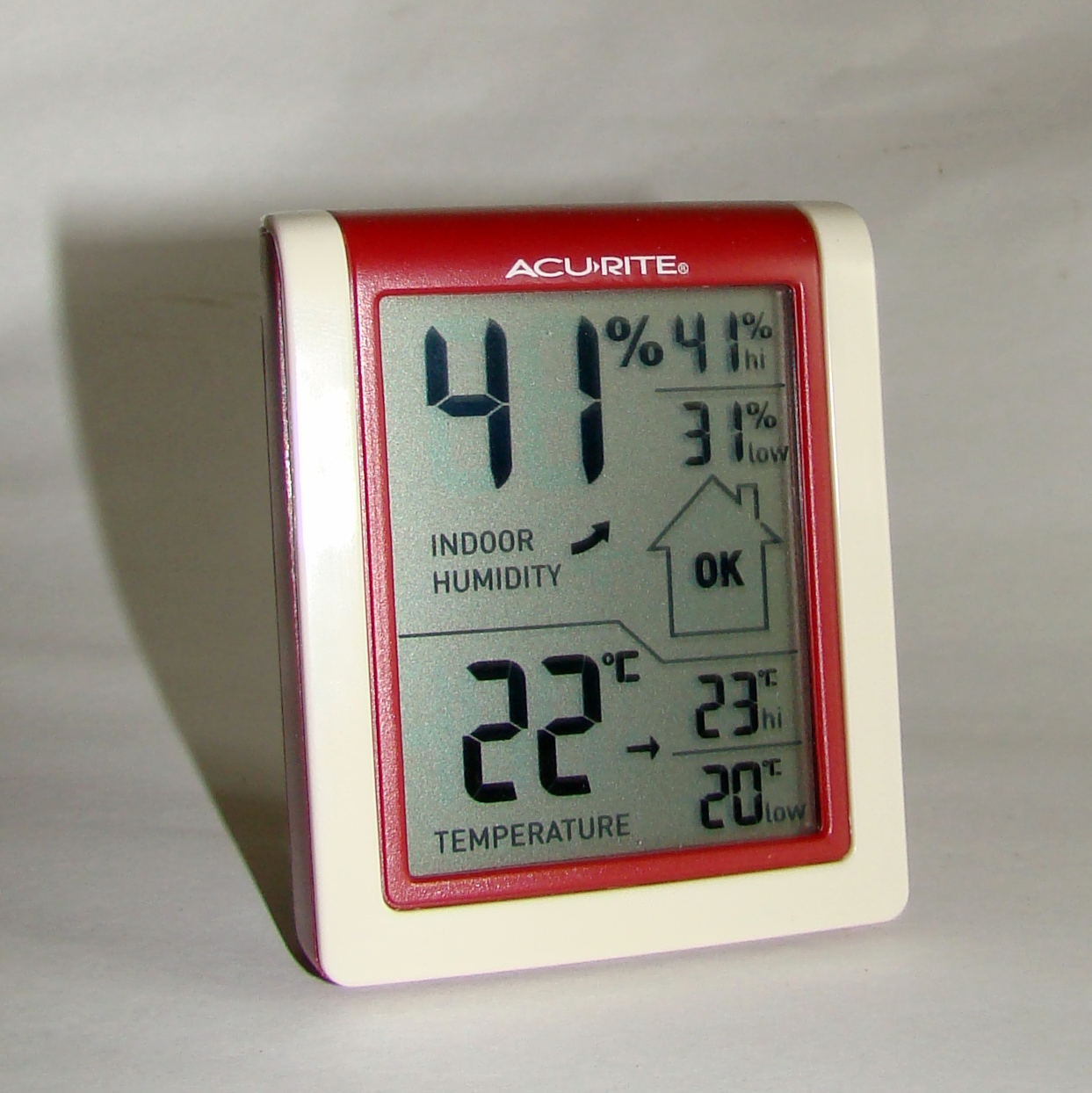
Image source: Aleksey Pogrebnoj-Alexandroff, Wikimedia Commons, CC BY 3.0 — source and license.
Low humidity or a direct draft can dry the surface and cause small pins to stop developing. But adding too much water can also be harmful. Look for signs such as dry, cracked edges, a persistently wet surface, or water collecting around the block. Follow the kit’s directions about misting or soaking. A humid environment does not mean that mushrooms should remain covered in water.
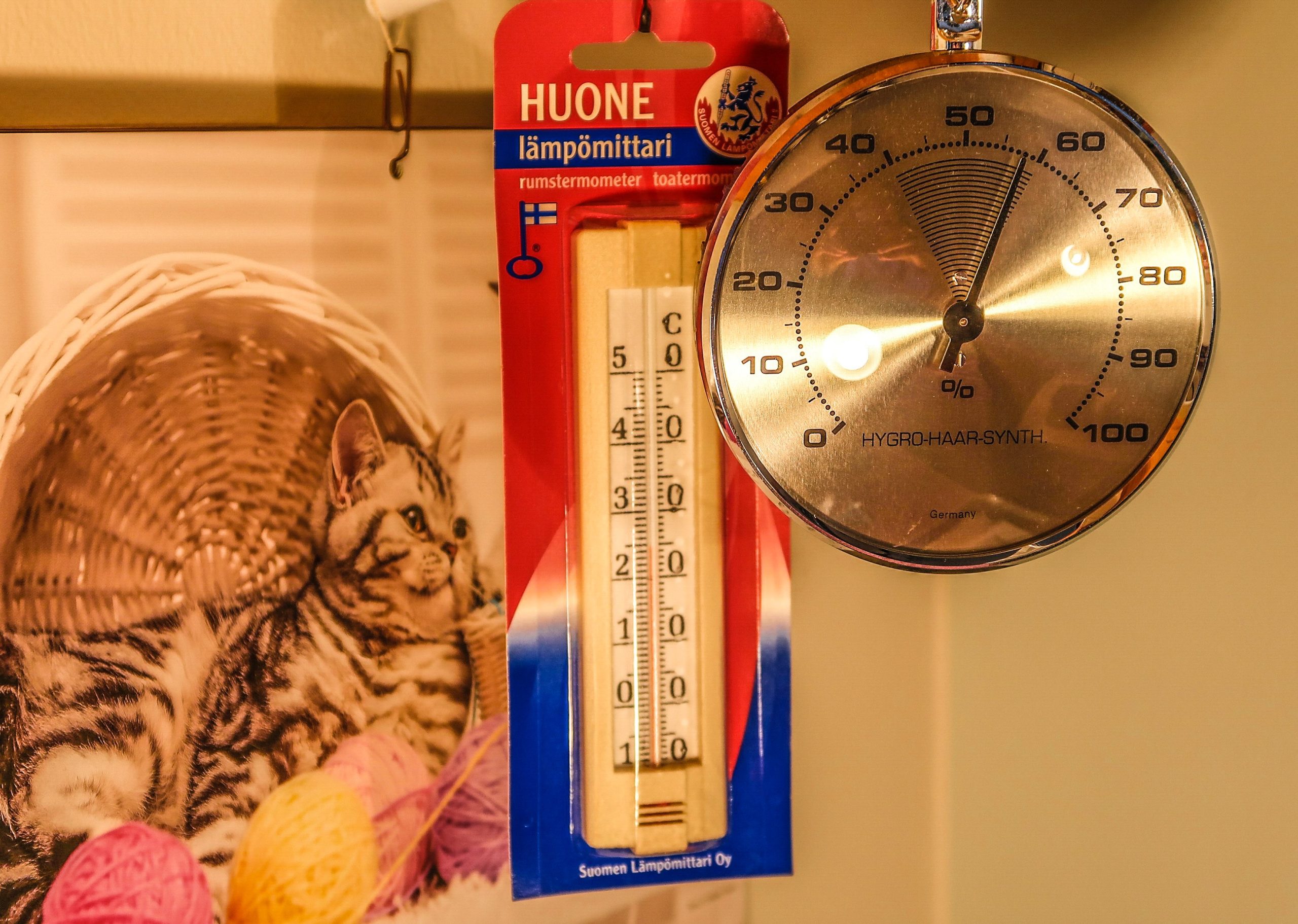
Image source: Maasaak, Wikimedia Commons, CC BY-SA 4.0 — source and license.
Many cultivated mushrooms need fresh-air exchange during fruiting. In some oyster strains, inadequate exchange can cause long stems and small caps. A sealed container may hold humidity but also trap carbon dioxide. Provide ventilation according to the species and setup, avoiding a strong fan or open window that dries the fruiting surface. If several blocks share one small chamber, overcrowding can reduce effective air exchange.
Many common cultivated species use light as a cue for normal development, but they do not need intense direct sunlight. Indirect room light may be sufficient for some kits. Direct sun can overheat the block and dry the surface, particularly in a small enclosure. Check the supplier’s instructions before purchasing special lights or changing the room.
If the block has an unusual colour, slimy patches, damaged packaging, or a strong unpleasant smell, contamination or substrate problems may be involved. Appearance alone cannot identify every contaminant. Isolate a suspicious block and avoid opening it indoors. If the kit is new, contact the supplier with photos and batch details. If the block simply seems slow, first verify its maturity and conditions rather than adding nutrients or opening it.
| Symptom | Possible cause | First check |
|---|---|---|
| No pins at all | Not mature, wrong temperature, strain-specific trigger missing | Kit readiness and species instructions |
| Pins start but abort | Drying, temperature swings, poor moisture balance | Drafts, humidity trend, surface condition |
| Long stems and small caps | Insufficient fresh air, especially in oysters | Ventilation and crowding |
| Dry, cracked edges | Low humidity or direct airflow | Chamber placement and air movement |
| Wet, slimy patches or unusual odour | Possible contamination or excessive moisture | Isolate; contact supplier; do not open indoors |
| Growth slows after first harvest | Normal flush variation, depleted block, poor post-harvest care | Species-specific second-flush instructions |
Make a short log of the temperature, humidity reading, ventilation changes, dates, and visible growth. If you increase air exchange, avoid simultaneously changing the light and watering routine. Give the grow an appropriate period to respond, recognizing that mushrooms do not react instantly. Photographs taken from the same angle can make subtle progress easier to compare.
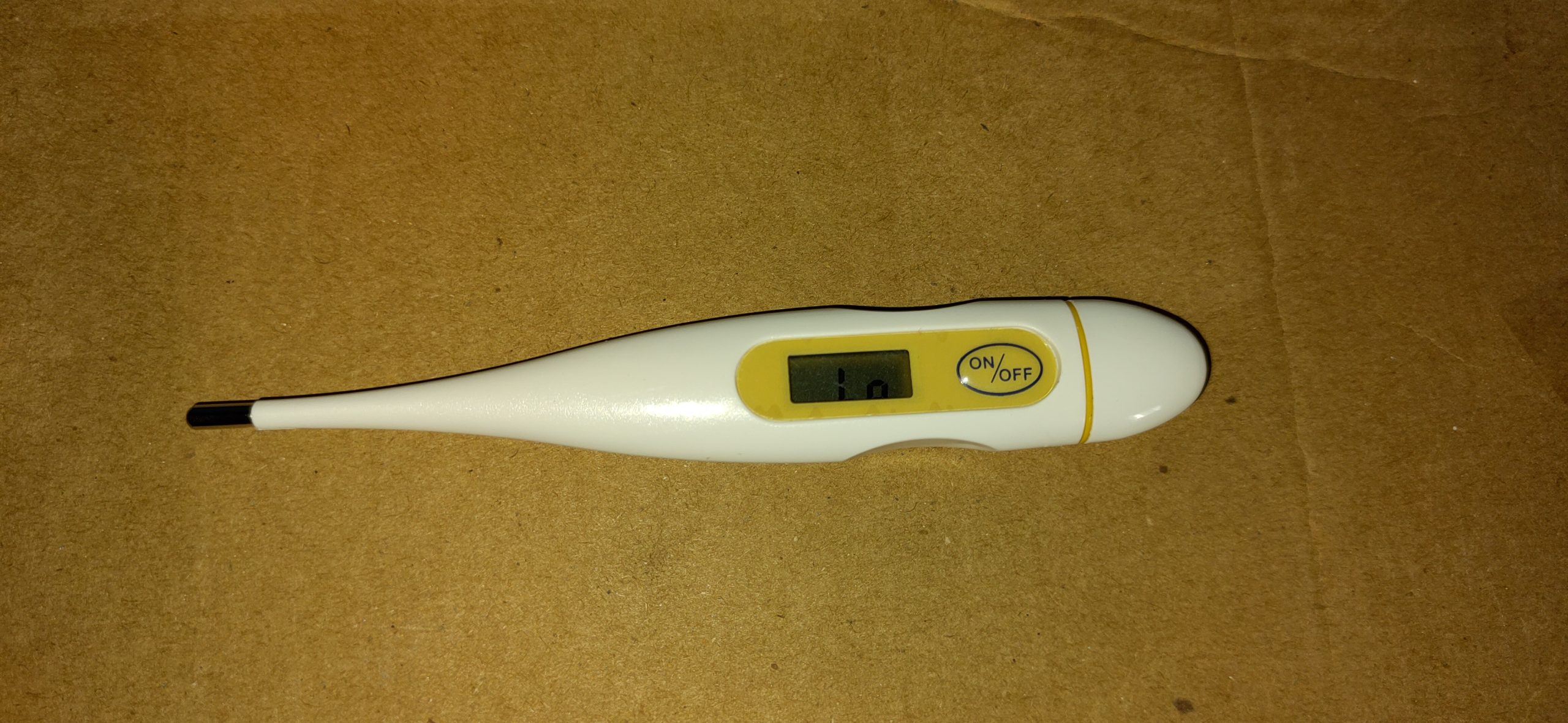
Image source: Srini297, Wikimedia Commons, CC BY-SA 4.0 — source and license.
Cold shocking, soaking, scraping, cutting extra holes, or adding supplements may be recommended for certain methods, but none is a universal fix. A mature log, a ready-to-fruit oyster block, and a supplemented sawdust block are different systems. Unnecessary intervention can damage a healthy grow or introduce contamination. Use the method intended for the exact species and substrate.
If the block is clearly contaminated, has deteriorated, or is outside its recommended usable period, starting over may be safer and more efficient than attempting repeated interventions. Do not eat mushrooms from an unknown or contaminated substrate. For a new attempt, change only the process step implicated by your notes so the next batch teaches you something.
Choose a strain suited to the room, read the instructions before opening the kit, avoid heat sources and direct sun, and provide suitable air exchange. Keep the block clean, use only the recommended watering method, and record the date you begin. If you are preparing your own substrate, also document the recipe and preparation process. Good records help separate a normal delay from a recurring problem.
When mushrooms do not fruit, begin with readiness and temperature, then check moisture, fresh air, light, and contamination signs. Make measured changes rather than trying every online tip at once. Our oyster mushroom guide and lion’s mane overview can help you understand why requirements differ between species.