Physical Address
304 North Cardinal St.
Dorchester Center, MA 02124
Physical Address
304 North Cardinal St.
Dorchester Center, MA 02124

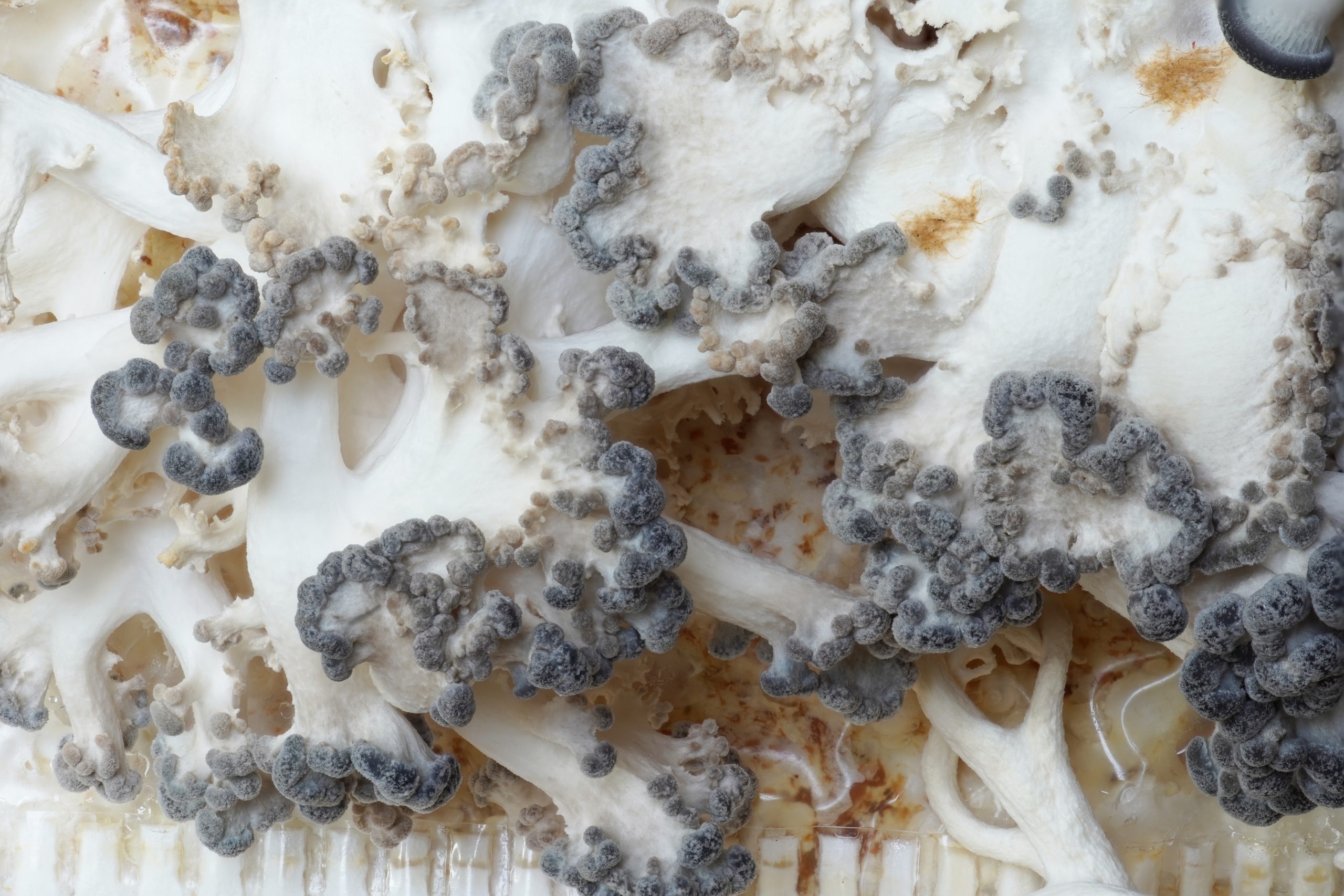
Learn what a mushroom flush is, how to care for a block after harvest, and why later flushes vary by species, substrate, and growing conditions.
A mushroom “flush” is a wave of fruiting from a colonized block or growing area. After the first harvest, some substrates can produce a second or third flush, but later yields depend on species, substrate size, moisture, temperature, contamination pressure, and how the block was harvested. A repeat flush is not guaranteed, and trying to force one with excessive soaking or constant handling can shorten the useful life of the block.
The first flush uses some of the water and nutrients available in the substrate. Once the mushrooms are removed, the mycelium may need a period to recover and prepare for another wave of fruiting. Some kits specify a rest period; others recommend a particular moisture step or a change in exposure. Follow the instructions for the exact species and block rather than applying one universal routine.
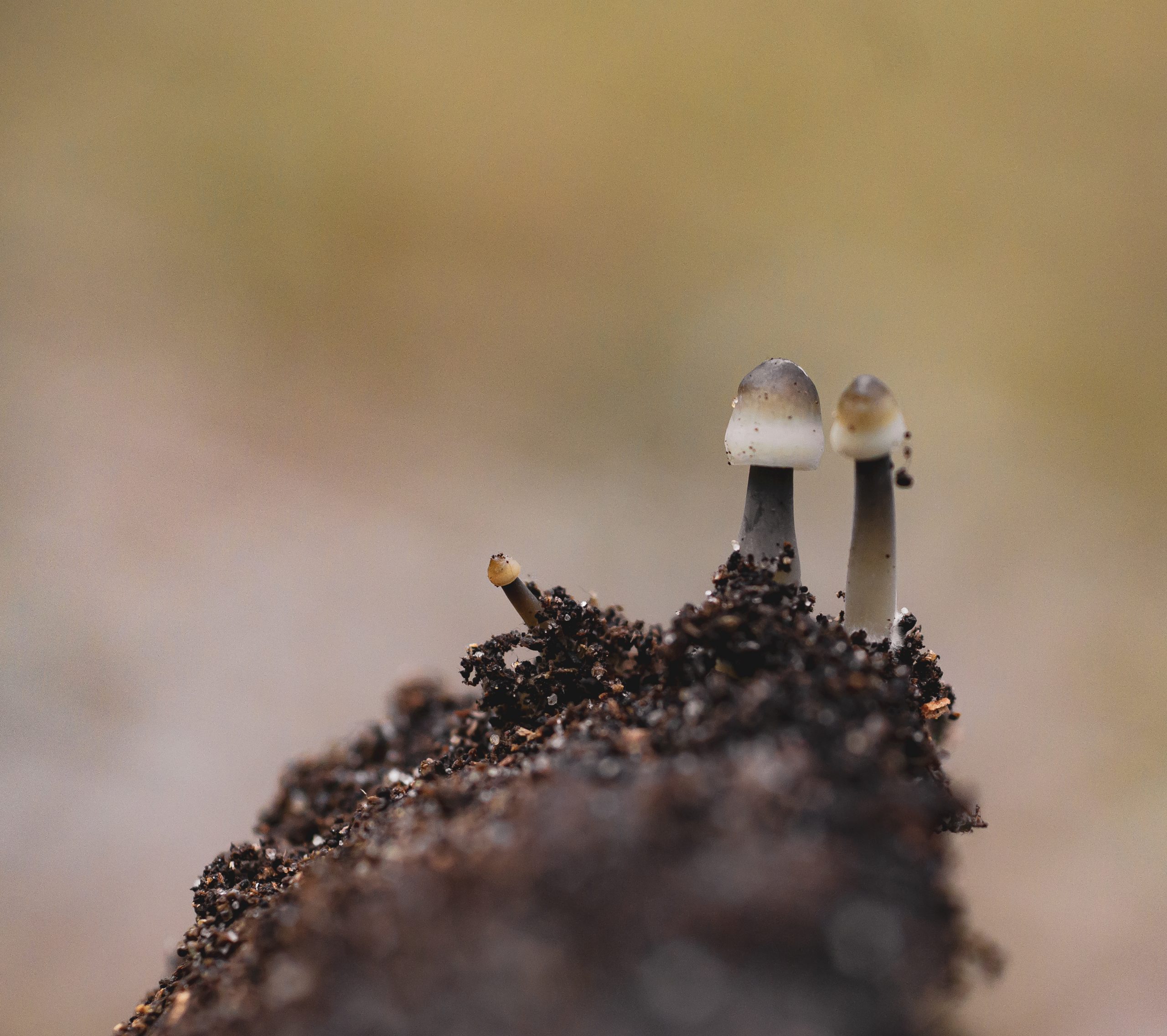
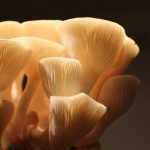
Image source: Kustrim Cerimi, Wikimedia Commons, CC BY-SA 4.0 — source and license details.
Harvest the cluster at the recommended stage and remove loose mushroom fragments that could decay on the surface. Avoid gouging or tearing large areas of the block. Do not scrape the entire surface simply because the first flush has finished. Different systems fruit from different areas, and unnecessary disturbance can damage healthy mycelium or expose the substrate.
Fruiting consumes water, so some blocks benefit from a carefully controlled rehydration step between flushes. Others are designed to recover without soaking. Excess water can pool, reduce air space, or create conditions favourable to bacteria and mould. If soaking is part of the method, use clean water and follow the specified duration and drainage steps. Do not leave a block sitting in stagnant water.
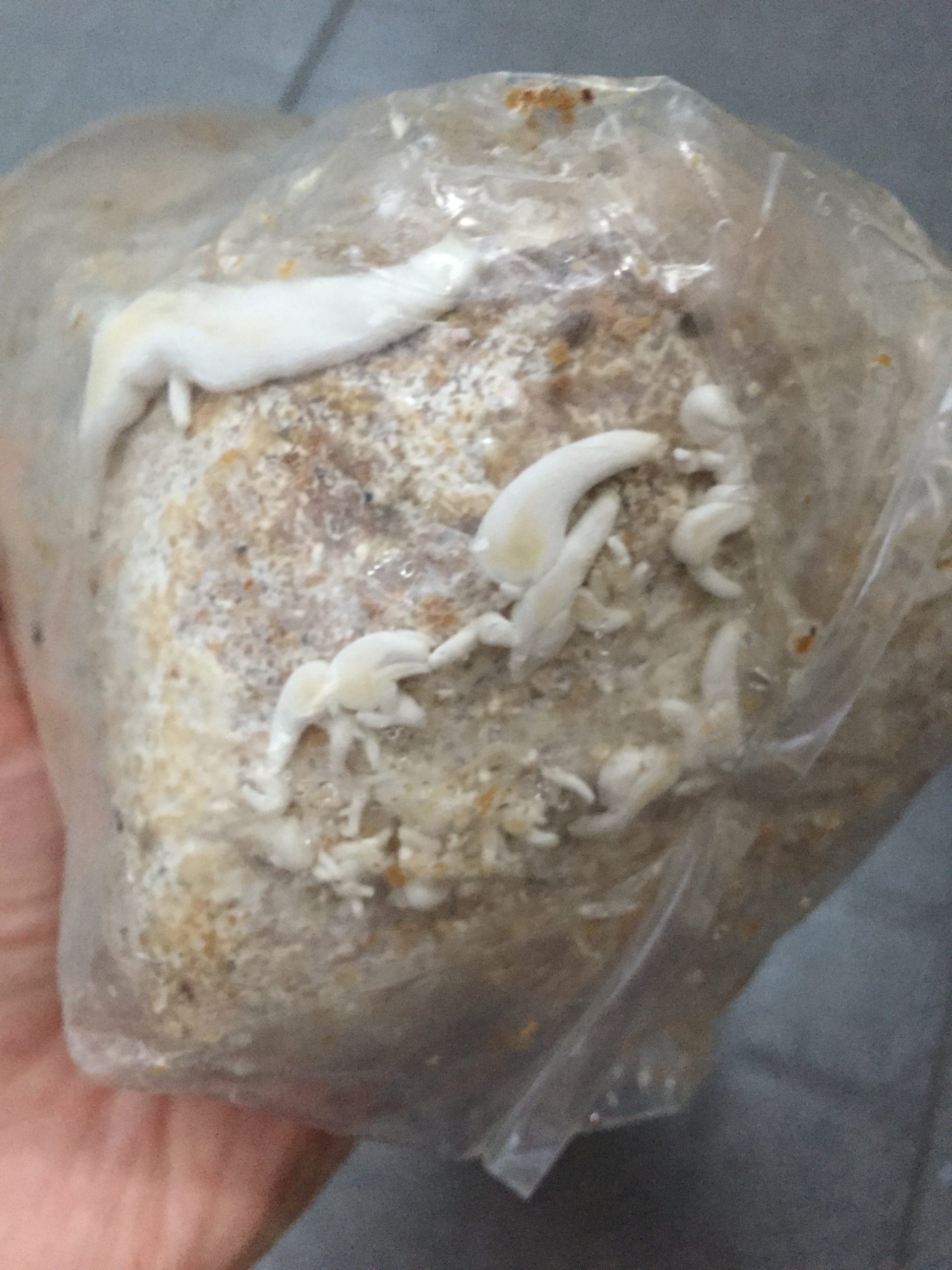
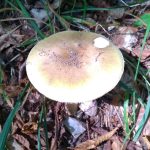
Image source: Zenyrgarden, Wikimedia Commons — source and license details.
After harvest, the block still needs conditions appropriate to its species and stage. Too much heat can stress the mycelium; overly dry air can dehydrate the surface; stale air may affect fruiting when the next flush develops. Avoid dramatic changes unless the supplier’s protocol calls for them. Record room temperature and observe the block rather than moving it repeatedly between very different locations.
The interval between flushes varies widely. A block may show new pins relatively soon under suitable conditions, while another may take longer or never produce another substantial crop. The calendar alone cannot tell you whether a block is healthy. Check the species-specific instructions and look for normal signs of recovery. Avoid repeatedly cutting the bag, scraping the surface, or changing the environment because nothing has appeared after only a short time.
The substrate has finite resources, and some nutrients and water have already gone into the first harvest. Later flushes may therefore be smaller or more scattered. This is normal and does not automatically mean you made a mistake. Compare the total harvest across the life of the block rather than judging the system only by its first flush. If later flushes are consistently poor across multiple blocks, review your notes for temperature, moisture, and handling patterns.
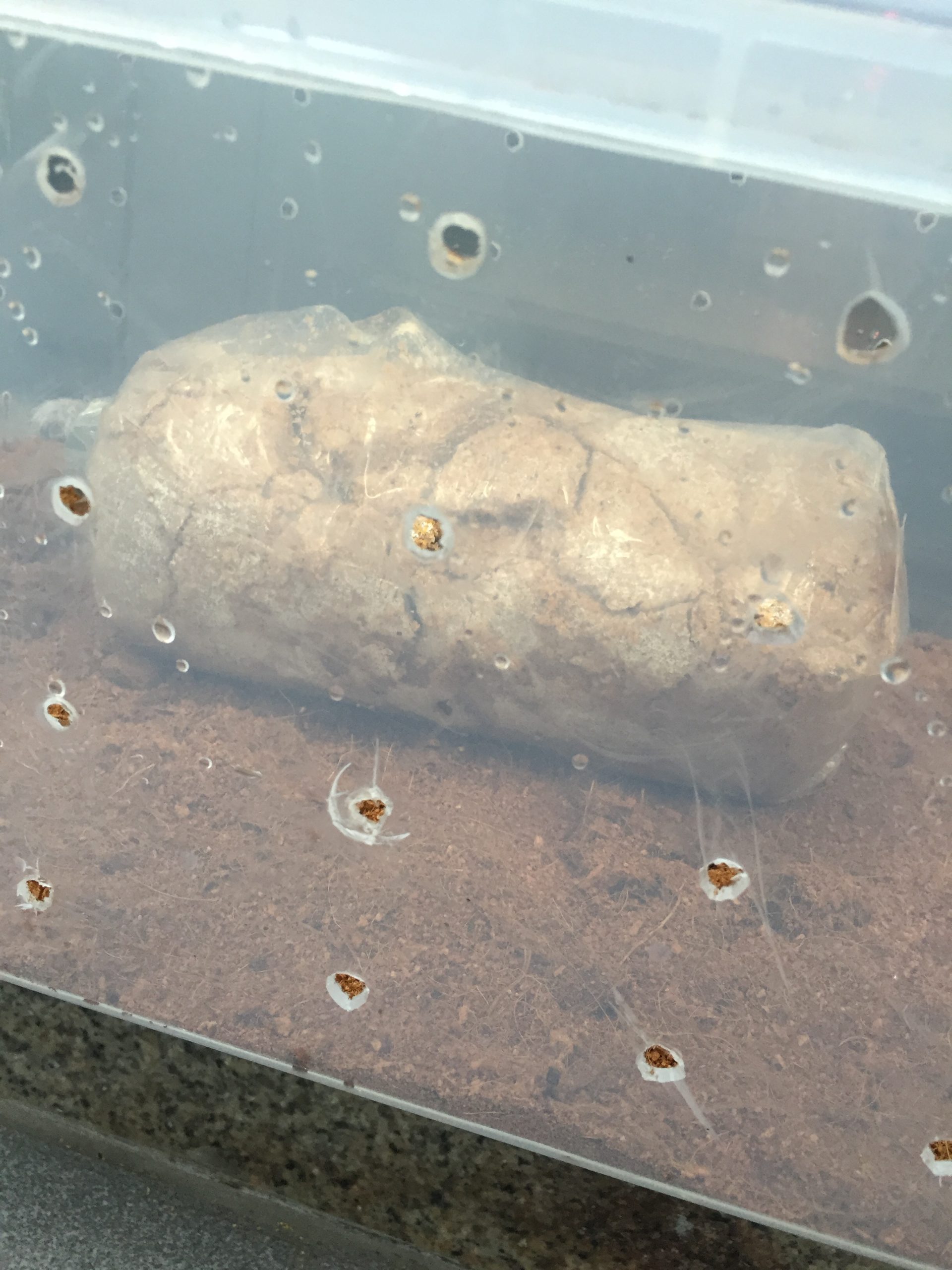
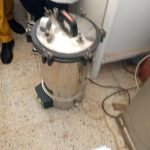
Image source: Zenyrgarden, Wikimedia Commons, CC BY-SA 4.0 — source and license details.
Stop trying to fruit a block that has clear contamination signs, a strong unpleasant odour, severe deterioration, or damage that compromises the substrate. Do not open a mouldy block indoors or try to save it by removing only the visible patch. Isolate it and dispose of it safely according to local guidance. If a kit fails unusually early, contact the supplier before discarding the packaging and batch information.
Use a kitchen scale to record each harvest. Note the date, weight, flush number, time since the previous harvest, and any moisture or temperature changes. A block with two good flushes may outperform one that produces three tiny ones. If you compare different care methods, keep the species, substrate, and block size consistent and change only one factor at a time.
Oyster mushroom blocks may produce several flushes under suitable conditions, while other species and growing systems follow different cycles. Shiitake logs, for example, are a longer-term outdoor or controlled project and should not be managed exactly like a small oyster bag. The substrate and strain instructions should guide the rest period and moisture steps. See our oyster mushroom guide and shiitake overview for species context.
To encourage later flushes, harvest cleanly, follow the correct post-harvest routine, maintain suitable conditions, and give the block time to recover. Avoid universal soaking advice and do not ignore signs of contamination. Record harvest weights and conditions so you can decide whether your method is genuinely improving the total crop.