Physical Address
304 North Cardinal St.
Dorchester Center, MA 02124
Physical Address
304 North Cardinal St.
Dorchester Center, MA 02124


Learn how humidity, fresh air, and indirect light support mushroom fruiting and how to adjust conditions without creating new problems.
Humidity, fresh air, and light are three environmental factors that strongly influence how many cultivated mushrooms develop. They work together rather than independently: a humid chamber with stale air may produce poor shape, while vigorous airflow in a dry room can dehydrate young pins. Light requirements vary by species, and none of these factors can rescue a block that is immature, contaminated, or kept at an unsuitable temperature.
Relative humidity describes how much water vapour air contains compared with the maximum it could hold at that temperature. During fruiting, many mushrooms need humid air because small pins and exposed surfaces can lose water quickly. The exact target depends on species, growth stage, airflow, and the design of the fruiting space. Use the supplier’s instructions as a starting point instead of applying one universal number to every mushroom.
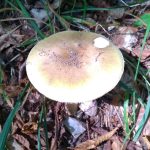
Image source: serieminou, Wikimedia Commons, CC BY-SA 4.0.
A hygrometer helps you track changes, but low-cost sensors can be inaccurate, especially in very humid conditions. Observe the crop as well. Dry, cracked edges or pins that stop developing may suggest moisture stress, but temperature, airflow, and substrate condition can also be involved. Do not respond to every problem by spraying more water; over-wet surfaces can create a different set of problems.
Mushrooms respire and release carbon dioxide. In a poorly ventilated chamber, carbon dioxide can accumulate and alter growth form. Some oyster mushrooms, for example, may develop long stems and relatively small caps when fresh-air exchange is inadequate. This symptom is a clue rather than a definitive diagnosis, so also check temperature, strain, and the maturity of the block.
Fresh air does not mean exposing mushrooms to a constant strong breeze. Moving air can rapidly dry the fruiting surface. Aim for exchange that refreshes the chamber without blowing directly onto the cluster. Passive vents may work for a small kit; larger setups may need carefully managed fan-assisted exchange. Make adjustments gradually and observe how the next growth develops.
Many cultivated mushrooms respond to light as an environmental cue for normal development, but they do not need the same intensity or schedule as sun-loving plants. Indirect daylight or suitable room lighting may be enough for many common species. Direct sun can heat a small chamber, create uneven conditions, and dry the surface. Follow the species and supplier recommendations rather than purchasing powerful grow lights by default.
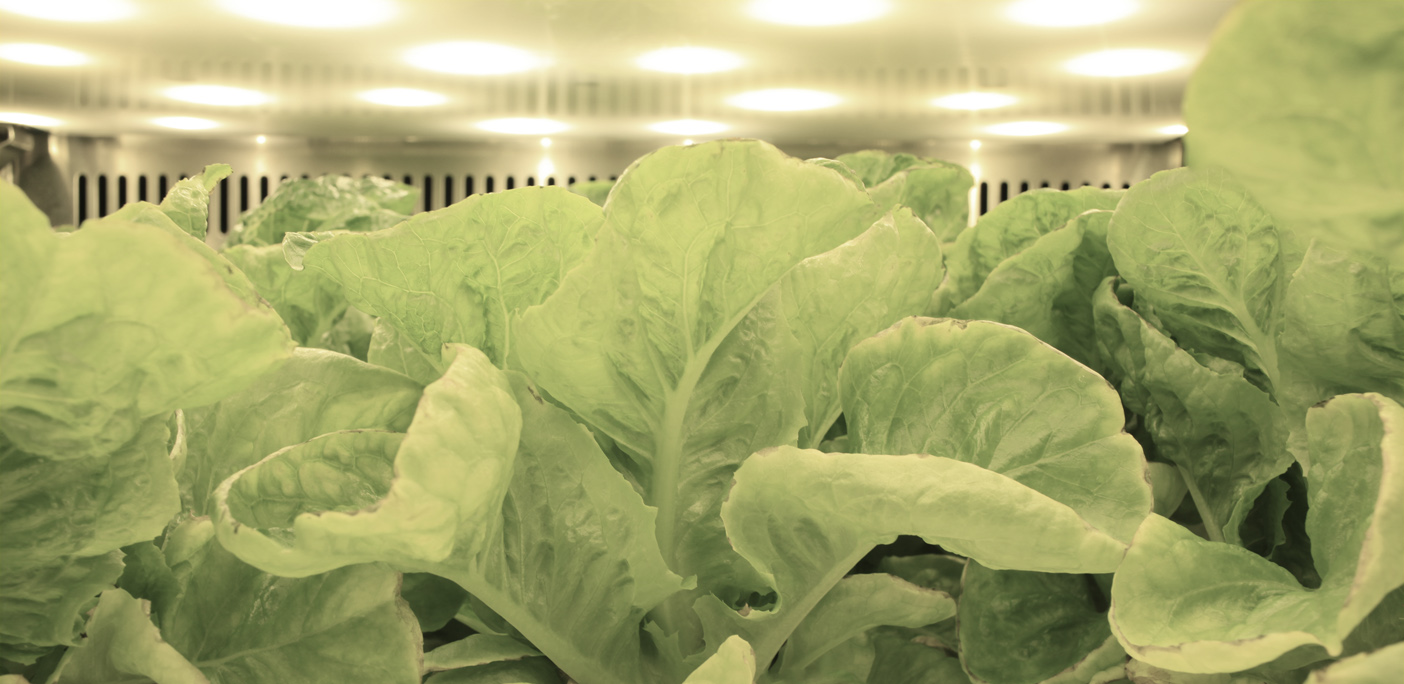
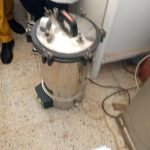
Image source: Wikimedia Commons — see the file page for creator and license details.
Increasing air exchange often reduces humidity because drier room air replaces moist chamber air. Adding moisture without addressing ventilation can leave stale air trapped. A lamp or sunny window can warm the chamber and lower relative humidity even when the amount of water vapour has not changed. This is why adjusting one control at a time is more informative than changing humidity, ventilation, and lighting all at once.
Keep a small notebook with daily temperature and humidity readings, ventilation changes, and photos of the same growing surface. Note the date pins appear and whether they progress evenly. Instruments help identify patterns, while photos show changes over time. If a sensor says conditions are perfect but the mushrooms consistently look stressed, verify the sensor placement and review the species-specific instructions.
| Observation | Possible factors | What to check first |
|---|---|---|
| Dry, cracked edges | Low humidity, warm air, direct draft | Chamber placement and air movement |
| Long stems, small caps in oysters | Insufficient fresh-air exchange | Ventilation and chamber loading |
| Water sitting on caps | Direct misting, condensation, poor drying | Spray pattern and temperature stability |
| Uneven or stalled pins | Moisture stress, temperature swings, block maturity | Kit instructions and environmental stability |
| Slow growth | Wrong temperature, immature block, strain variation | Species-specific temperature range |
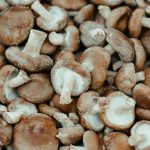
Image source: Nithyabalaprem, Wikimedia Commons — see the file page for license details.
Beginners often over-focus on humidity and ignore airflow, or assume that more misting is always better. Others leave a chamber sealed to preserve moisture, place it beside a heater, or buy lighting before checking whether the setup has adequate fresh air. Another mistake is copying a setting from a different species or a commercial farm. A small home kit has different airflow and heat characteristics from a large production room.
If the block has not fully colonized, has been stored improperly, or shows signs of contamination, changing humidity and light may not help. Verify that the kit is ready to fruit and that the strain is being kept within its recommended temperature range. Do not cut additional openings or soak a block unless the supplier’s method calls for it.
Successful fruiting is a balance: humid air limits drying, fresh-air exchange prevents stale conditions, and suitable light helps support normal development for many species. Measure what you can, observe the mushrooms, and adjust gradually. Use our oyster mushroom guide or lion’s mane guide for species context, then follow the instructions supplied with your specific strain.

[…] For the bigger picture on why humidity matters, see our guide to humidity, fresh air and light. […]