Physical Address
304 North Cardinal St.
Dorchester Center, MA 02124
Physical Address
304 North Cardinal St.
Dorchester Center, MA 02124

Mycoprotein is a meat alternative made from fungal mycelium grown in fermentation tanks. Here's how it's made, what studies say about its health effects, who should be careful and whether it's better for the planet.
Walk down the chilled aisle of many supermarkets and you’ll find meat-free mince, nuggets and fillets made not from soy or peas, but from a fungus. This ingredient is called mycoprotein, and it has been on sale for decades. Now, as interest in fermentation and alternative proteins grows, fungi are being talked about as one of the most promising ways to feed more people with less land.
So what exactly is mycoprotein, how is it made, is it healthy, and is it really better for the planet? This guide looks at the evidence, including the caveats.
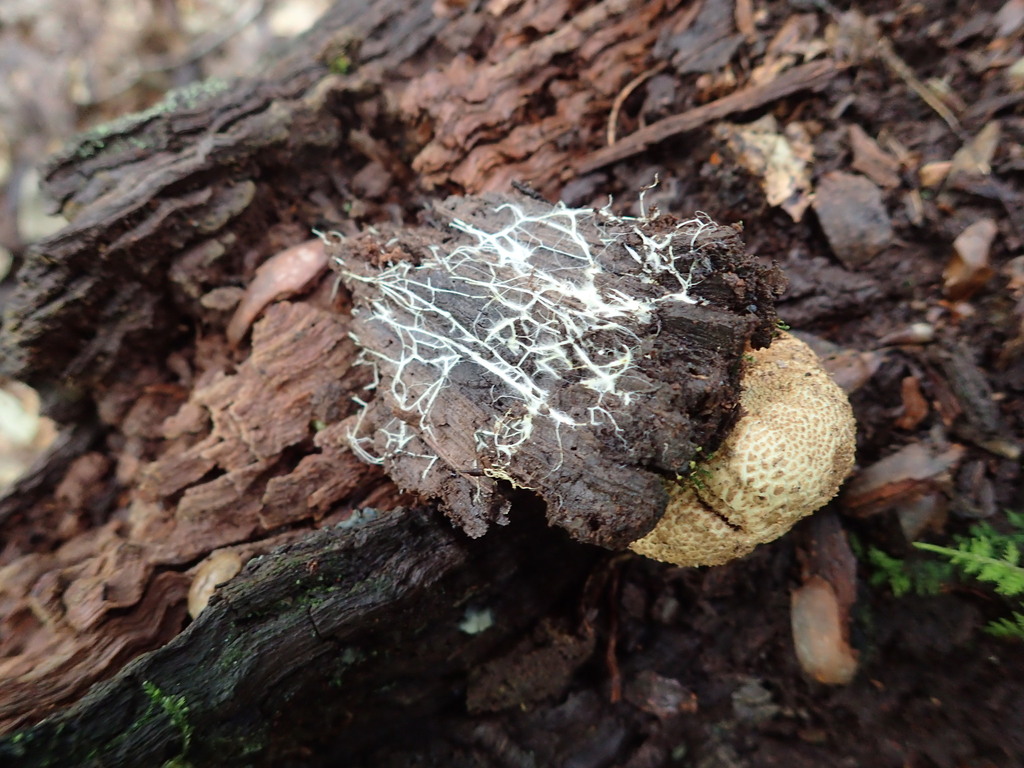
Mycoprotein is a food made from the mycelium of a fungus, the network of fine threads (hyphae) that a fungus grows, rather than from a mushroom. Our guide to fruiting bodies vs mycelium explains the difference between these two parts of a fungus.
The best-known mycoprotein comes from a mould called Fusarium venenatum, a microscopic fungus, not a mushroom. A 2023 review in the Journal of Nutritional Science describes mycoprotein as “a well-established and sustainably produced, protein-rich, high-fibre, whole food source” that is “derived from the fermentation of fungus”.
Because it’s made of fungal threads, mycoprotein has a naturally fibrous structure. The 21st Century Guidebook to Fungi, an online textbook by mycologist David Moore and colleagues, says this hyphal structure lets the product simulate the fibrous nature of meat.
Mycoprotein is not a new invention. According to Moore’s guidebook:
| Year | Milestone |
|---|---|
| 1964 | The Rank Hovis McDougall (RHM) Research Centre in the UK begins work on turning starch, a by-product of cereal processing, into a protein-rich food |
| 1970 to 1980 | A ten-year programme of toxicology and feeding trials |
| 1984 | Marlow Foods is set up as a joint venture between RHM and ICI |
| January 1985 | The product is first sold to the public in the UK |
| January 2002 | The US Food and Drug Administration (FDA) issues a “generally recognized as safe” (GRAS) response |
| August 2002 | Frozen products first go on sale in the United States |
The fungus was chosen through a screening programme. The strain used, Fusarium venenatum A3/5, was originally known by a different name, F. graminearum A3/5.
Unlike mushrooms, which are grown on substrates like straw or sawdust, mycoprotein is grown in liquid inside huge fermentation tanks. Moore’s guidebook describes the process:
The scale is industrial. Moore describes two fermenters that are each 155 m³ in volume and 50 m tall, and gives annual production of 10,000 to 14,000 tonnes.
Mycoprotein is high in protein and fibre. Several human studies have looked at its effects, though many were small and short, and some of the research has been linked to the main manufacturer.
In 2021, Derbyshire and Delange published a systematic review in Frontiers in Sustainable Food Systems. It included 16 controlled human trials with 432 participants in total.
| Outcome | What the review reported |
|---|---|
| Cholesterol | Five studies measured total cholesterol, and several reported reductions. The review describes the effect as most promising in people with slightly raised cholesterol |
| Blood sugar and insulin | Less conclusive. Some studies found lower insulin after mycoprotein meals, but most found no significant difference in blood glucose |
| Appetite and energy intake | Several studies found people ate less at later meals after a mycoprotein meal, for example 18% less in the evening in one study of 18 people |
| Muscle protein | Mycoprotein was described as a bioavailable source of essential amino acids that stimulates muscle protein synthesis |
Two of the cholesterol studies give a sense of the size of the effects. In a 1990 study of 17 people by Turnbull and colleagues, eating about 190 g of mycoprotein a day for three weeks was linked to a 13% fall in total cholesterol. In a 2020 study by Coelho and colleagues, total cholesterol fell by 14 to 19% on a mycoprotein diet, compared with 3 to 11% on the control diet. These are encouraging results, but from small groups over short periods.
The authors concluded that eating mycoprotein appears to lower total cholesterol and short-term energy intake, and may support muscle building, but that glucose and insulin evidence was weaker. They noted important limitations: studies were often short-term, lab-based and small, with 10 to 55 participants in most of the mechanistic trials, and no meta-analysis was done.
It’s worth knowing that some mycoprotein research has industry links. The 2023 symposium review in the Journal of Nutritional Science lists Marlow Foods, the maker of Quorn, as its sponsor. The 2021 systematic review used nutrition composition data provided by Marlow Foods. This doesn’t make the findings wrong, but more independent, longer-term studies would strengthen the evidence.
For a broader comparison of fungi and meat as protein sources, see our article on mushrooms vs meat.
Like many foods, mycoprotein doesn’t suit everyone. The Center for Science in the Public Interest (CSPI), a US consumer group that has long campaigned on the issue, published an analysis of 1,752 consumer reports it had collected since 2002 in the journal Annals of Allergy, Asthma and Immunology, as described in a 2018 news release:
These were self-reported cases, not a controlled study, so they can’t show how common reactions are. CSPI says the FDA declined to take regulatory action. As part of a 2017 legal settlement, CSPI reports, the manufacturer agreed to add a package warning that mycoprotein is a mould and that rare allergic reactions have occurred.
If you have a mould allergy, check the label before trying mycoprotein products. If you react after eating it, stop eating it and talk to a doctor.
The environmental case for fungal protein is one reason it’s back in the news. In 2022, Humpenöder and colleagues at the Potsdam Institute for Climate Impact Research published a modelling study in Nature. It looked at what would happen if 20% of the ruminant meat (such as beef) eaten per person worldwide were replaced with microbial protein made by fermentation, like mycoprotein, by 2050.
According to the institute’s summary, reported by ScienceDaily:
There are important caveats. This is a computer projection, not a measurement. The researchers also stressed that a large-scale shift to fermentation-based foods “requires a large-scale decarbonisation of electricity generation” to deliver its full climate benefits, because fermentation-based production relies heavily on electricity.
| Mycoprotein | Mushrooms | |
|---|---|---|
| Source | Mycelium of a mould (Fusarium venenatum) | Fruiting bodies of fungi |
| How it’s grown | Liquid fermentation in industrial tanks | On substrates such as compost, straw or sawdust |
| Texture | Processed into a fibrous, meat-like texture | Varies by species, from tender to meaty |
| Can you grow it at home? | No | Yes |
| Typical use | Meat-free mince, nuggets and fillets | Cooking ingredient in its own right |
If you’d like to try a home-grown fungal protein, mushrooms are the place to start. Oyster mushrooms are among the easiest to grow. Our guide to oyster mushrooms is a good first step, and our article on the nutritional profile of edible mushrooms explains what they offer.
Mycoprotein is a fungus-based food with a long track record, a meat-like texture, and a good amount of protein and fibre. Early studies suggest it may help lower cholesterol and keep you fuller, though much of the research is small and industry-linked. A minority of people react to it, sometimes severely. Its environmental promise is real but depends on how the world produces energy. As interest in fungal foods grows, it’s likely to stay part of the conversation about how we eat in the future.
Featured image: fungal mycelium on rotting wood by Trix Niernberger via iNaturalist (CC0 1.0).