Physical Address
304 North Cardinal St.
Dorchester Center, MA 02124
Physical Address
304 North Cardinal St.
Dorchester Center, MA 02124

Mushroom coffee usually has about half the caffeine of regular coffee, but the health claims run well ahead of the evidence. Here's what's in it, what studies show, and who should be careful.
Mushroom coffee has gone from a niche health-shop product to a supermarket shelf regular. The packets promise calm focus, better sleep, stronger immunity and fewer caffeine jitters. But what is actually in the jar, and how much of the promise is backed by evidence?
This guide explains what mushroom coffee is, how its caffeine compares with ordinary coffee, what the research on the added mushrooms does and doesn’t show, and who should be careful. It draws on guidance from the Cleveland Clinic, the US Food and Drug Administration (FDA) and Memorial Sloan Kettering Cancer Center, plus published research.
This article is general information, not medical advice. If you have a health condition, are pregnant or take regular medication, talk to a doctor or pharmacist before adding any supplement to your diet.
Despite the name, mushroom coffee is mostly coffee. The Cleveland Clinic describes it as regular coffee blended with mushroom extracts. The mushrooms are dried, extracted and mixed in, so it “tastes like coffee because it is coffee!” It’s sold as ground coffee, instant packets, pods and ready-made lattes.
The mushrooms used are usually so-called functional mushrooms, the same ones sold as supplements, rather than the ones you’d normally cook with. The Cleveland Clinic lists four common choices:
| Mushroom | What marketers usually claim |
|---|---|
| Lion’s mane | Memory and focus |
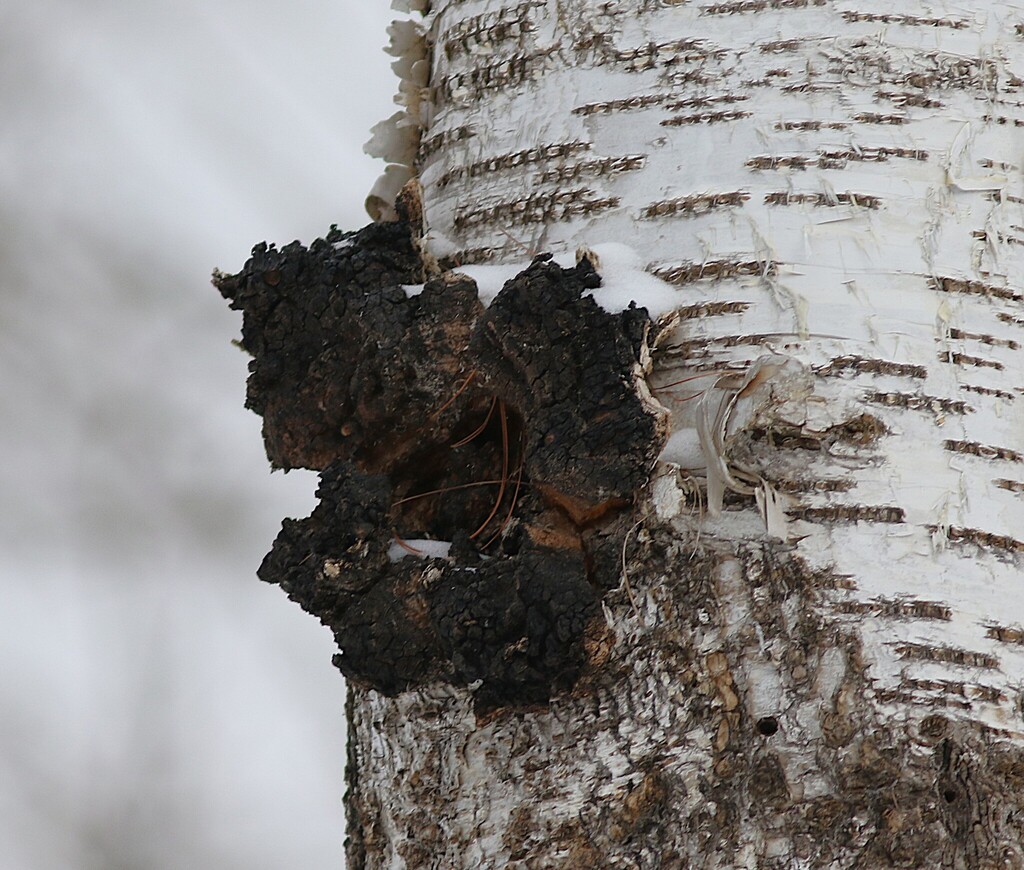
| Chaga | Antioxidants and immunity |
| Reishi | Sleep and stress |
| Cordyceps | Energy and exercise |
Some products may contain other ingredients too, so always read the full ingredient list.
This is the clearest real difference. Because the mushroom powder replaces some of the coffee, a serving usually has less caffeine than a regular cup. Healthline, in an article medically reviewed by a registered dietitian and updated in May 2024, compared several products:
| Product type | Caffeine per serving (as listed by Healthline) |
|---|---|
| Regular dark roast coffee pod | 100 to 150 mg |
| Three mushroom coffees (instant and ground) | 50 to 60 mg |
| Decaf ground coffee | 1 to 4 mg |
Healthline notes that the caffeine content is often not listed on the packet, so you may need to check the brand’s website or contact the company.
For context, the FDA cites 400 mg a day as an amount that is not generally associated with negative effects for most healthy adults. Its table gives 113 to 247 mg for a 12 fl oz cup of regular brewed coffee. So switching from ordinary coffee to a mushroom blend may cut your caffeine, but drinking several mugs can still add up. If cutting caffeine is your main goal, a half-caf blend or a smaller cup of ordinary coffee does the same thing.
The FDA lists signs that can mean you’ve had too much caffeine, including:
It also notes that some medical conditions and medicines can make people more sensitive to caffeine, and that pregnant or breastfeeding people should ask a health professional whether to limit it.
Here the picture is far less exciting than the marketing. The Cleveland Clinic’s dietitian Beth Czerwony says mushrooms do have general benefits, such as antioxidants. But the article states there is “no meaningful research supporting the health claims” made for mushroom coffee itself.
That’s an important distinction. Most studies test a single mushroom, often as a measured supplement dose, rather than coffee blends containing an unknown amount of several mushrooms.
Lion’s mane has some of the more interesting human research. In a 2023 trial published in Nutrients, Docherty and colleagues at Northumbria University gave 41 healthy adults aged 18 to 45 either 1.8 g of lion’s mane or a placebo. Sixty minutes after a single dose, the lion’s mane group was quicker on one attention task. After 28 days, there was only a trend towards lower stress that did not reach statistical significance.
The authors themselves say that, given the small sample size, “these findings should be interpreted with caution”. They also reported null and some negative results. It’s a promising start, not proof, and it tells us nothing about how much lion’s mane a cup of mushroom coffee delivers.
Memorial Sloan Kettering’s patient information on lion’s mane, updated in June 2024, lists memory, mood and stress as the reasons people take it. It says other uses haven’t been studied by doctors and suggests talking to a healthcare provider before taking supplements, as they are more concentrated than amounts used in food.
A 2019 review of chaga for The ASCO Post, in a series edited by an integrative medicine specialist at Memorial Sloan Kettering, found that most chaga research comes from test tubes and animals. It describes only one small human study, which looked at DNA damage in blood cells from 40 people. The authors conclude that “Clinical trials are needed to confirm such effects.”
Our separate guides on reishi and cordyceps look at the studies in detail. In short, the evidence for both is limited and mixed, and much of it again comes from supplements rather than drinks. For a wider look at this category, see our article on adaptogenic mushrooms.
For most healthy adults, the Cleveland Clinic says mushroom coffee is “probably safe to try” if you don’t have digestive or kidney problems. But some people should check with a professional first.
The Cleveland Clinic warns that chaga mushrooms are high in oxalates, which can affect the kidneys and raise the risk of kidney stones. The ASCO Post review describes a case report of a 72-year-old woman who developed a kidney condition called oxalate nephropathy after taking 4 to 5 teaspoons of chaga powder a day for six months. One case doesn’t prove a common risk, but the authors advise that patients and care teams “should be aware of the possible risk of nephropathy.”
According to the ASCO Post review, chaga reduced blood clotting in a mouse study and lowered blood sugar in lab tests. It flags a possible interaction with blood-thinning drugs and diabetes medicines, while noting that the clinical relevance is unknown. If you take either, ask your doctor or pharmacist first.
The Cleveland Clinic notes that mushrooms can cause digestive issues. Memorial Sloan Kettering lists abdominal discomfort, nausea and skin rash as possible side effects of lion’s mane.
If you react to mushrooms, don’t assume a coffee blend is safe. Check the ingredients and speak to your doctor.
Many mushroom coffees are sold as foods or dietary supplements. In the United States, the FDA states that it “does not have the authority to approve dietary supplements for safety and effectiveness”. Instead, supplement companies are responsible for making sure their products are safe.
In practice, this means the health claims on a packet haven’t been checked by a regulator in the way a medicine’s would be. It also means that two products with the same mushroom on the label may contain very different amounts.
If you enjoy the taste or just want a lower-caffeine coffee, there’s little harm in trying it for most healthy adults. These tips can help you pick sensibly:
| Claim | What we found |
|---|---|
| “Less caffeine than coffee” | Usually true, often about half, but check the label |
| “Boosts focus and memory” | Some small early studies on lion’s mane supplements, but no good evidence for mushroom coffee itself |
| “Supports immunity” | Mostly lab and animal research |
| “Helps you sleep and de-stress” | Limited and mixed evidence |
| “Completely safe for everyone” | Not for everyone. Chaga is high in oxalates, and some mushrooms may interact with medicines |
Mushroom coffee is best thought of as a lower-caffeine coffee with a premium price, not a health treatment. If you want the proven benefits of mushrooms, the Cleveland Clinic’s dietitian suggests eating whole mushrooms instead. Our guide to the nutritional profile of common edible mushrooms is a good place to start.
Featured image: chaga on birch by jeffcherry via iNaturalist (CC0 1.0).