Physical Address
304 North Cardinal St.
Dorchester Center, MA 02124
Physical Address
304 North Cardinal St.
Dorchester Center, MA 02124

Understand the differences between wild and cultivated mushrooms, from flavour and sourcing to consistency, sustainability, and food safety.
Wild and cultivated mushrooms can both be delicious, but they come with different trade-offs. Cultivated mushrooms are grown from identified cultures under a managed process, which usually makes their supply and identity more predictable. Wild mushrooms depend on local habitats and seasonal conditions, and they may offer distinctive flavours, but safe identification requires real expertise. “Wild” does not automatically mean healthier, more nutritious, or safer.
Cultivated mushrooms can be produced more consistently because growers manage spawn, substrate, and fruiting conditions. Supply still varies with production, transport, and storage, but a supermarket variety is generally available beyond its natural fruiting season. Wild mushrooms are often seasonal and geographically limited. Their availability can change dramatically with rainfall, temperature, habitat conditions, and local harvesting pressure.
Some wild species are prized for aromas or textures that are difficult to reproduce commercially. Cultivated mushrooms can also be excellent, and freshness often matters more than the wild-versus-farmed label. Species, age, storage, and cooking technique influence flavour. Avoid assuming that every wild mushroom tastes better or that every cultivated mushroom is bland.
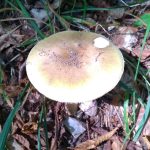
Cultivated mushrooms purchased from a reputable food supplier have a known identity and a more predictable handling chain. Wild mushrooms can resemble toxic species, and some dangerous lookalikes grow in the same habitats as edible fungi. Never eat a wild mushroom based solely on an app, a social-media identification, a single photograph, or a folk test. If you forage, learn from qualified local experts and leave uncertain specimens alone.
Cultivation uses substrate, water, energy, packaging, and transport, and the footprint varies by system. Some growers use agricultural by-products, but that does not make every operation impact-free. Wild harvesting avoids some production inputs, yet high collection pressure can affect local populations and habitats. Travel distance, refrigeration, waste, land use, and the way a species grows all influence the overall impact.
Common cultivated mushrooms are often affordable and easy to find. Wild specialty mushrooms may be expensive because they are seasonal, difficult to locate, and labour-intensive to collect. Price is not proof of quality or safety. If buying wild mushrooms, use a reputable seller who can identify the species and comply with local food rules.
Nutritional composition varies by species, growing conditions, maturity, storage, and preparation. A wild mushroom is not automatically more nutritious than its cultivated counterpart. Compare reliable nutrition information for the same species and serving size when available, and remember that added oil, salt, or sauces may change the final meal more than the mushroom’s origin.
Wild mushroom collection should respect land access, protected areas, local regulations, and the ecology of the site. Avoid damaging living trees or disturbing habitat unnecessarily. Do not collect more than you can use, and do not spread cultivated spawn into natural areas without ecological guidance. Photographs and field notes can be a valuable way to learn without harvesting every specimen.
For everyday meals, cultivated mushrooms offer convenience and consistency. Wild mushrooms can be an occasional specialty when their identity and source are reliable. Cook mushrooms properly and store them safely. If a mushroom is unfamiliar or its identification is uncertain, do not taste it to check whether it is edible.
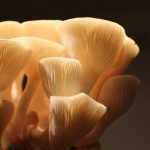
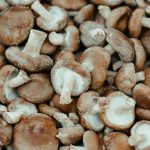
For a predictable home harvest, a cultivated kit or a known spawn-and-substrate method is usually the more practical route. Growing from a known culture also lets you learn environmental control and measure yields. Outdoor cultivation still needs care, and not every cultivated species suits every climate. Our oyster mushroom guide and shiitake overview introduce two popular cultivated options.
Wild mushrooms offer seasonal variety but require stronger identification and sourcing precautions. Cultivated mushrooms are usually more consistent and accessible. Neither origin guarantees superior nutrition or environmental performance. Choose based on verified identity, freshness, responsible sourcing, and how you plan to use the mushrooms.


[…] you’ve found, have it checked in person by an experienced local identifier. Our article on wild versus cultivated mushrooms covers the wider safety […]
[…] that misidentifying a mushroom can lead to serious health problems or even death. Our guide to wild vs cultivated mushrooms covers the […]
[…] from lawns, roadsides or industrial areas could carry pesticides or heavy metals. Our guide to wild vs cultivated mushrooms has more on choosing safe […]