Physical Address
304 North Cardinal St.
Dorchester Center, MA 02124
Physical Address
304 North Cardinal St.
Dorchester Center, MA 02124

An explainer on the relationship between rainfall, temperature, habitat, and wild mushroom fruiting, with essential foraging safety reminders.
Rain often appears to “make mushrooms grow,” but the biology is more complex. Fungal mycelium may already be present in soil, leaf litter, or wood for weeks, months, or years before a visible fruiting body appears. Rain changes moisture availability and can coincide with temperature shifts and other environmental cues that favour fruiting. The response varies by species, habitat, and the weather leading up to the rain.
Many mushrooms need suitable moisture for fruiting bodies to develop. Rain can replenish water in soil, decaying leaves, and logs, but the amount that reaches the relevant substrate depends on canopy cover, soil type, slope, and how dry the area was beforehand. A short shower may wet only the surface, while heavy rain can saturate a site or run off without soaking the habitat evenly.
Some species respond to combinations of moisture and temperature rather than rain alone. A warm spell followed by cooler nights may create different conditions from a cold downpour or a brief summer shower. Because species have different ecological strategies, a weather pattern that precedes one mushroom’s fruiting may not affect another in the same way.
Rain does not create a mature fungus from nothing. The mycelium must be present and sufficiently developed to produce a fruiting body. Some fungi associate with living trees; others decompose dead wood, leaf litter, or other organic material. This is why habitat and host relationships can help explain where mushrooms appear, even when the same rainfall affects nearby areas differently.
Visible mushrooms develop over time, and the interval after rain varies. A site may remain too dry beneath the surface, temperatures may be unsuitable, or the relevant species may not be present. Excessive rain can also flood a habitat, damage fruiting bodies, or change oxygen availability in the substrate. There is no reliable rule that mushrooms will appear a fixed number of hours after rainfall.
For field observation, note recent rainfall, temperature, habitat, soil moisture, and the type of tree or substrate nearby. Compare observations over several seasons instead of drawing conclusions from one visit. Avoid disturbing logs or digging around roots in search of mycelium. Responsible observation helps you learn local patterns while protecting the habitat.
Outdoor beds and logs respond to weather more directly than indoor blocks. Rain can replenish moisture, but prolonged saturation can also create problems if drainage is poor. Indoor kits are more controlled, yet room humidity, ventilation, and substrate moisture still need attention. Do not treat rainfall as a reason to soak an indoor block; follow the supplier’s care instructions.
Wet weather can bring out many fungi, including toxic species. Rain can wash away or obscure some surface features, and a young or damaged mushroom may be difficult to identify. Never eat a wild mushroom based on the fact that it appeared after rain or grew in a familiar spot. Use qualified local identification help, obtain permission to collect, and leave uncertain specimens alone.
Claims such as “mushrooms always appear three days after rain” or “a certain amount of rainfall guarantees a flush” ignore species differences and local ecology. A forecast can help you decide when to visit a habitat, but it cannot establish edibility or guarantee a find. Use local records as clues, not rules that override careful observation.
Rain is one part of a larger set of conditions that can trigger or support mushroom fruiting. Moisture, temperature, species biology, and habitat interact, so a wet forecast cannot guarantee a flush. Foragers should use weather as a planning clue—not an identification method—and cultivators should manage each substrate according to its own requirements. Our morel guide illustrates why mushroom seasons vary by species.


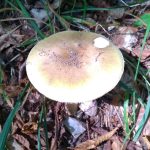

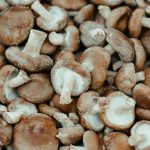
[…] wet weather, which is why outbreaks of poisoning often come after heavy rains. Our explainer on how rain and weather trigger wild mushroom flushes covers the general pattern, and why fall is peak mushroom season explains why autumn brings so many […]
[…] tree partners, which helps explain why they reappear in the same places. Our explainer on how rain and weather trigger wild mushroom flushes covers the timing side of the story. Habitat clues never replace expert […]