Physical Address
304 North Cardinal St.
Dorchester Center, MA 02124
Physical Address
304 North Cardinal St.
Dorchester Center, MA 02124

Learn which mushroom projects suit spring, how weather affects cultivation, and the essential safety rules to follow when considering wild mushroom foraging.
Spring can be an exciting time for mushroom growers because temperatures and moisture begin to change, but there is no universal spring calendar that fits every region. Some edible wild mushrooms appear during spring, while cultivated projects such as indoor oyster kits, shiitake logs, and garden beds follow different timelines. Decide whether your goal is to grow mushrooms or learn about wild fungi; the safety requirements for those activities are not the same.
For an indoor kit, spring may be easier than a season of extreme heat or dry heating, but room conditions still matter. Measure temperature where the kit will sit and check the supplier’s range for the strain. Avoid direct sun through a window, which can heat a small enclosure quickly. Keep fresh-air exchange suitable and monitor the surface for drying or excess water.
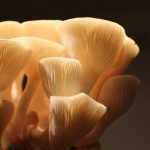
Many oyster kits are designed for beginners because the substrate is prepared in advance. They can be a useful way to learn fruiting, harvest timing, and the relationship between humidity and fresh air. Strains differ, however, and some prefer warmer or cooler conditions. Check the exact instructions before purchasing rather than assuming any oyster kit will thrive in the spring temperature of your region.
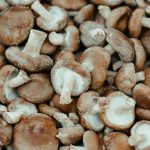
Spring may be suitable for starting some outdoor projects if the wood, substrate, and local climate fit the species. Shiitake logs need suitable hardwood, appropriate spawn, and time to colonize; they are not a quick seasonal crop. Wine cap beds use suitable wood chips and need a location that can maintain moisture without becoming waterlogged. Follow the supplier’s recommended timing and do not use treated wood or unknown waste material.
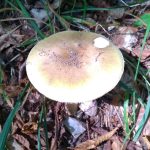
Spring is associated with prized wild mushrooms such as morels in some regions, but the season and species vary by location. Dangerous lookalikes exist, and common names can refer to different species in different places. Do not identify mushrooms from a single photo, a phone app, or a general article. Learn from qualified local experts, follow land-access rules, and leave specimens you cannot confidently identify.
For outdoor projects, track rainfall, daytime and nighttime temperature, shade, and how quickly the substrate dries. A mild spell followed by cold weather can slow development; heavy rain may waterlog a poorly drained bed. These observations help you distinguish a normal seasonal delay from a problem with the substrate or location. Do not disturb a colonizing bed simply because no mushrooms are visible yet.
A new outdoor bed may need a long establishment period before fruiting. A log inoculated in spring may not produce mushrooms that same season. An indoor kit may fruit quickly but can still fail if the room is too warm, dry, or poorly ventilated. Treat expected timelines as ranges, and use the instructions for your exact substrate and strain.
Harvest cultivated mushrooms only when the block and species are known and healthy. Outdoor beds can attract other fungi, so do not assume every mushroom growing in an inoculated area belongs to the intended species. Cook edible mushrooms appropriately, refrigerate them promptly, and never taste-test an uncertain wild specimen. If poisoning is suspected, seek urgent medical or poison-control advice.
Pick a manageable project and write down what happens. Record the conditions when pins appear, how the mushrooms develop, and the weight of each harvest. If you forage, keep learning separate from eating: photographs and field notes can help you study fungi without making a risky identification decision. Our morel overview explains why spring morels attract attention, while our oyster guide covers a cultivated alternative.
Spring is a useful planning window, not a guarantee that every mushroom will fruit. Match your species to local conditions, give outdoor projects time to establish, and treat wild mushroom identification with caution. A small, well-documented grow will teach you more than several poorly matched projects started at once.

[…] A wine cap bed is a far more dependable outdoor project. If you want a garden mushroom bed with a much better chance of producing, see our guide to growing wine caps in garden beds. For other species suited to the season, see spring mushrooms to grow and forage. […]