Physical Address
304 North Cardinal St.
Dorchester Center, MA 02124
Physical Address
304 North Cardinal St.
Dorchester Center, MA 02124

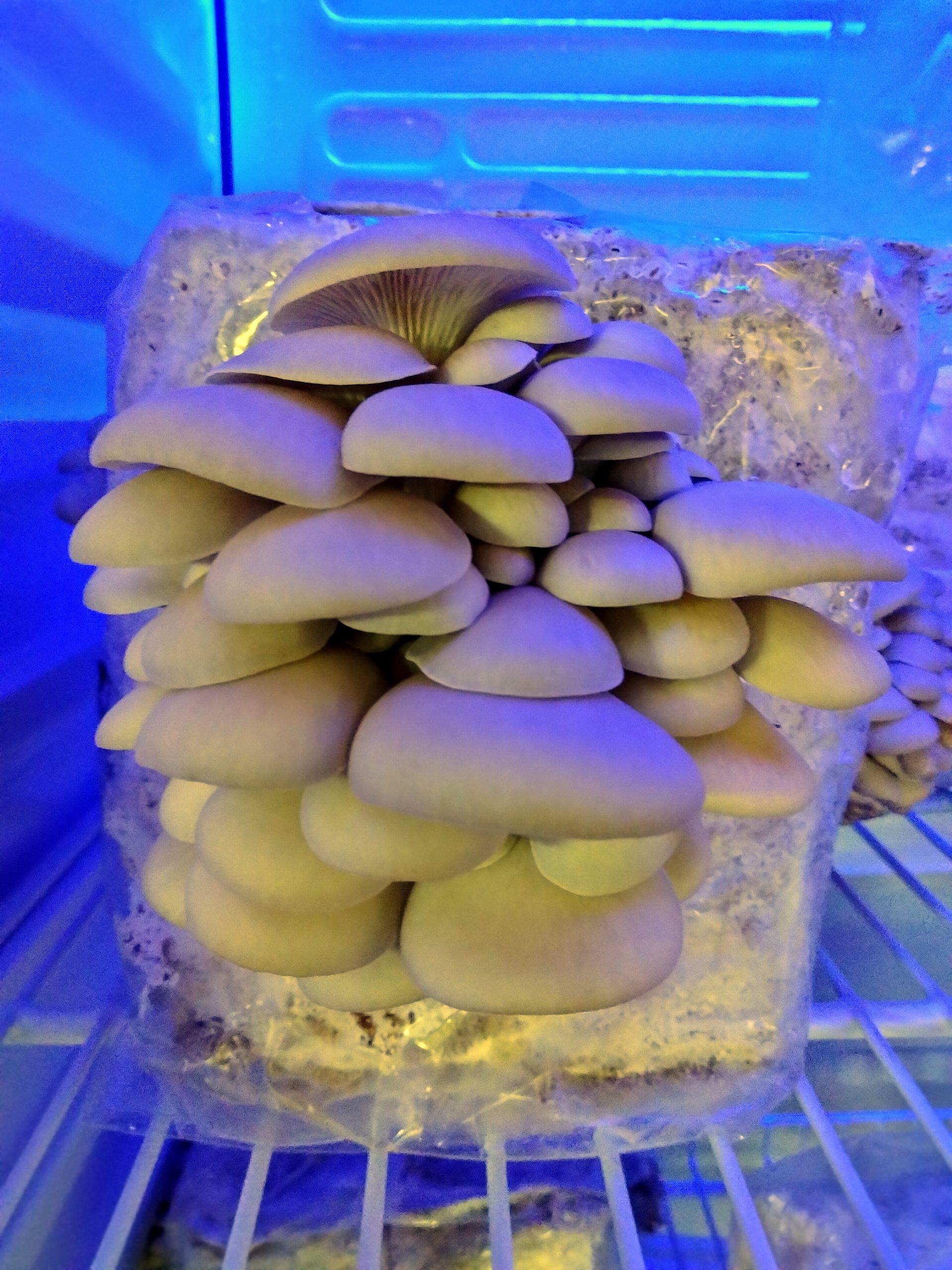
Learn how to recognize harvest timing for common cultivated mushrooms, harvest cleanly, store your crop, and avoid common mistakes.
Harvest timing affects the texture, appearance, and storage life of cultivated mushrooms. The right moment differs by species: oyster clusters are often harvested before caps flatten completely, while shiitake are commonly picked when the caps have expanded and the edges are still slightly curled. The most reliable guide is the species-specific harvest description from your spawn or kit supplier, combined with observation of the crop as it develops.
Mushrooms can develop quickly once pins appear, especially in warm, humid conditions. A fixed number of days is less reliable than observing cap shape, edge position, firmness, and the appearance of the cluster. Different strains of the same species may mature at different speeds. Check the crop at least daily during active fruiting so you do not miss the preferred stage.
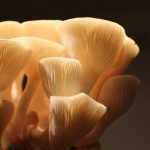
Oyster mushrooms grow in clusters, and the caps often expand outward as they mature. Many growers harvest when most caps are well formed but before the cluster becomes overly flat or begins releasing a large amount of spores. If caps are curling upward and edges are drying, the cluster may be past the ideal stage. Harvest the cluster as a group when appropriate, taking care not to tear away large pieces of substrate.
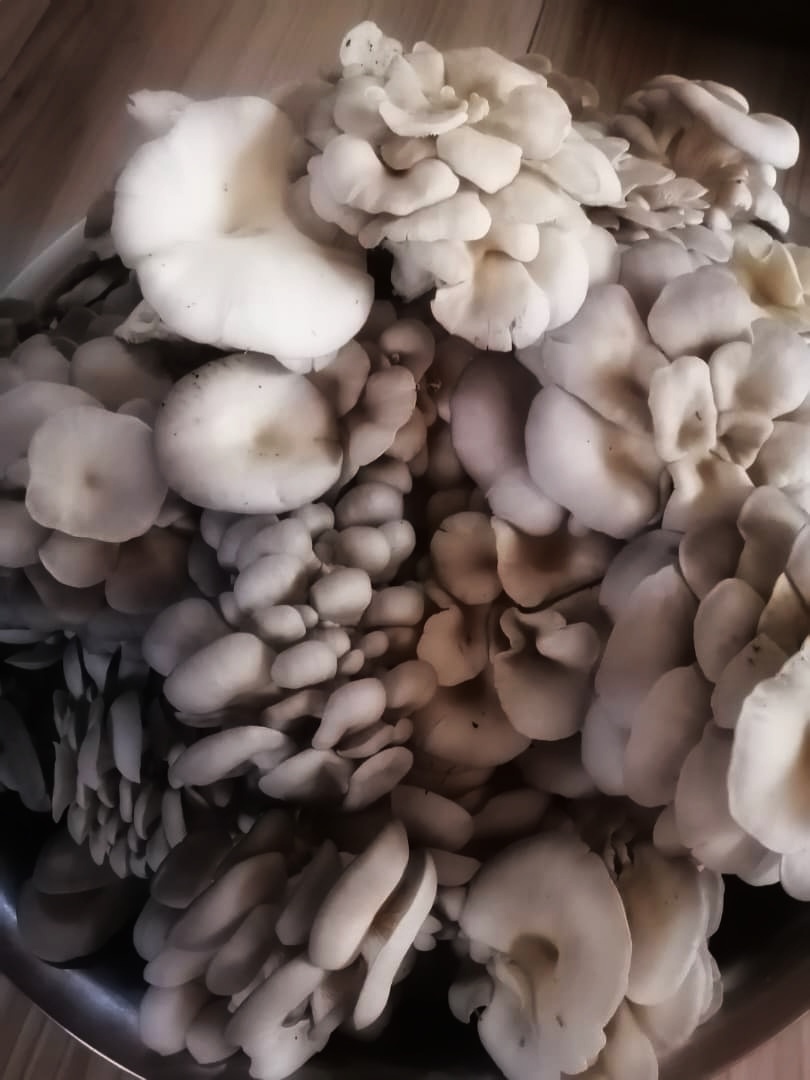
Image source: Wikimedia Commons — creator and license details on the file page.
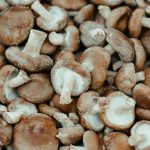
Shiitake caps usually expand as they mature. Many are harvested when the cap has opened and the edge retains a slight curl, though the exact preference depends on the market and intended use. Very young caps can be firm; older caps may have a flatter shape and different texture. Follow the guidance for your strain and choose a consistent stage if you want to compare harvests from one flush to another.
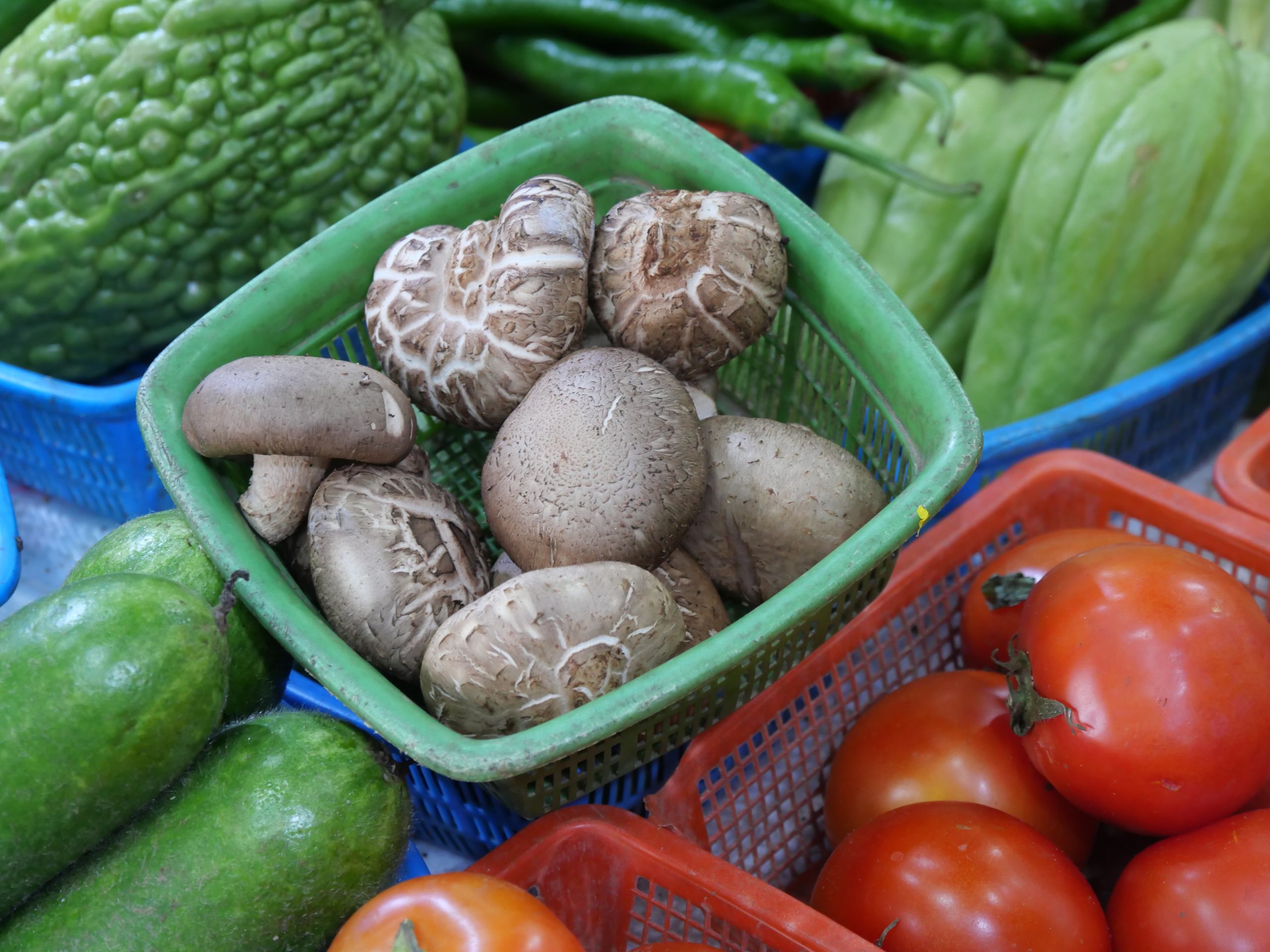
Image source: Peachyeung316, Wikimedia Commons, CC BY-SA 4.0.
Lion’s mane develops soft, cascading spines. It is commonly harvested while the fruiting body is still white and the spines are developed but not excessively elongated or discoloured. Yellowing can indicate age or environmental stress, although colour alone does not diagnose the cause. Handle the fruiting body gently because its delicate structure can be damaged during removal and packing.
Prepare a clean knife or follow the method recommended for your kit. Wash your hands and clear a clean surface or container for the harvest. Remove the mushroom without gouging the block or tearing away unnecessary substrate. Some clusters can be twisted off carefully, while others are easier to cut at the base. The goal is a clean harvest with minimal damage to the remaining growing surface.
Many oyster clusters are harvested together because caps develop at similar times. If the cluster contains mushrooms at different stages, follow the supplier’s advice about whether to harvest the whole cluster or selectively remove mature caps. Avoid leaving damaged or decaying pieces attached. A clean cut is not a guarantee of another flush, but unnecessary damage can make later care more difficult.
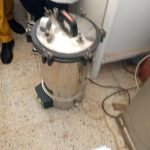
Move mushrooms into a clean container and refrigerate them promptly if you are not using them right away. Avoid sealing warm, damp mushrooms in a way that traps condensation. Do not leave a harvest sitting in direct sunlight or a hot car. Brush off loose substrate and trim tough ends; wash only as needed shortly before cooking, and dry the surface if you want to sauté or roast them.
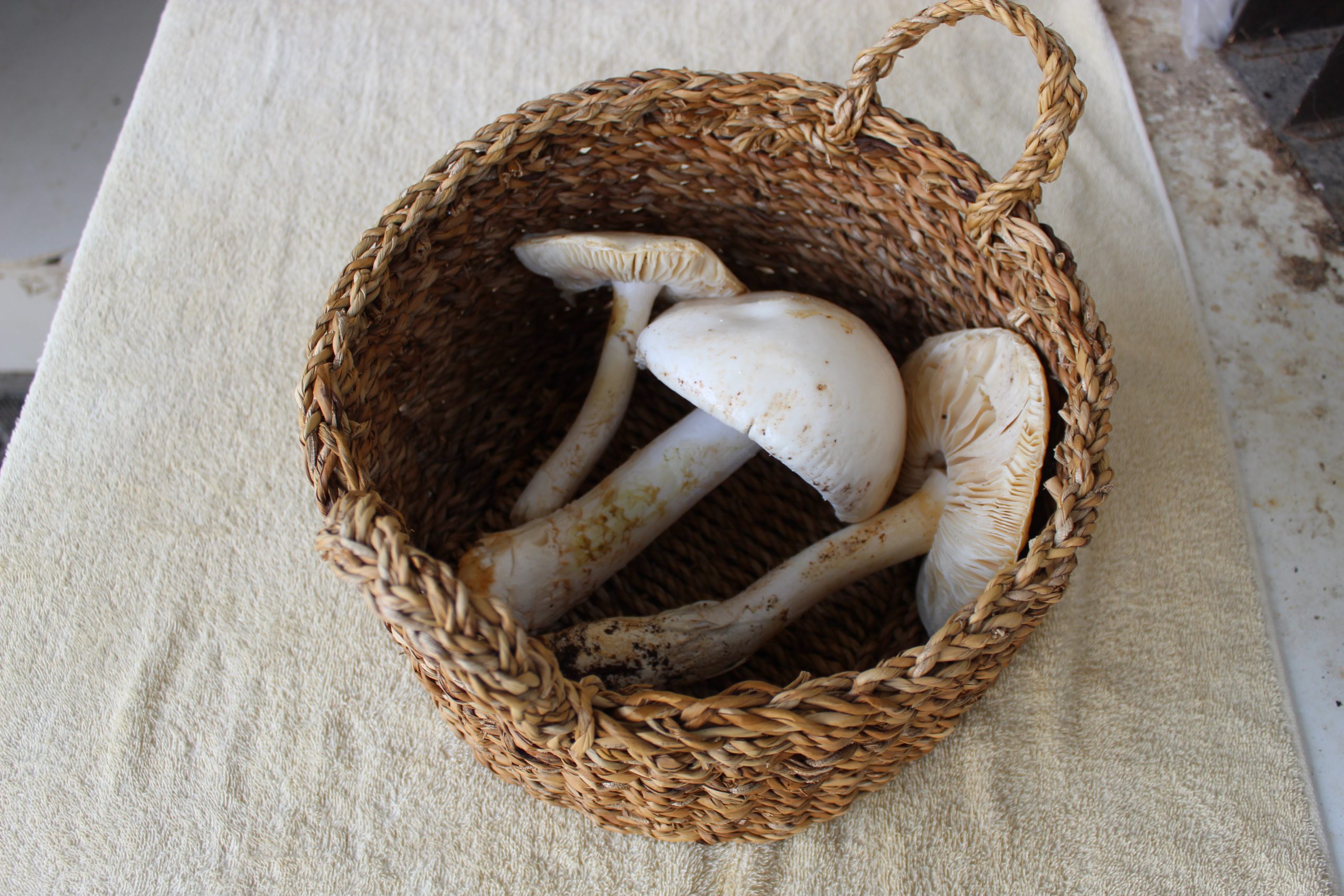
Image source: Davidbena, Wikimedia Commons, CC BY-SA 4.0.
Many blocks can produce more than one flush, but later harvests are often smaller or less uniform. After harvesting, follow the specific kit instructions for resting, humidity, or rehydration. Do not soak a block automatically; some systems require it and others do not. Keep the block clean and monitor it for deterioration. If it develops clear contamination signs, isolate it and avoid opening it indoors.
Weigh each flush and record the date, species, stage at harvest, and any environmental problems. This helps you identify whether earlier or later harvesting suits your preferred texture and cooking use. If growing for sale, use consistent maturity standards and food-safe handling. Harvest weight is useful, but quality, shelf life, and customer preference also matter.
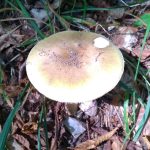
Only harvest mushrooms from a known, healthy culture or a correctly identified cultivated block. Do not eat mushrooms growing unexpectedly in a pot, lawn, or substrate just because they resemble the intended species. If a block is contaminated or the species is uncertain, do not taste-test it. Seek qualified advice when identification or safety is in doubt.
Harvest when the mushroom has reached the stage preferred for its species and intended use, using clean tools and handling it gently. Refrigerate the crop promptly, follow the correct post-harvest routine for the block, and record each flush. Our oyster guide, shiitake overview, and lion’s mane guide provide species-specific background.

[…] you grow your own, picking at the right stage also helps them keep. Our guide on when to harvest mushrooms explains what to look […]