Physical Address
304 North Cardinal St.
Dorchester Center, MA 02124
Physical Address
304 North Cardinal St.
Dorchester Center, MA 02124

An accessible explainer on mushroom beta-glucans, fungal cell walls, product variability, and the limits of health claims.
Beta-glucans are complex carbohydrates found in the cell walls of fungi, including mushrooms, and in other sources such as oats and barley. The term covers a family of molecules rather than one identical ingredient. Their structure and behaviour vary by source, and mushroom supplements can differ depending on the species, part used, cultivation method, and extraction process. That is why a label that simply says “beta-glucans” is not enough to predict a health effect.
Fungal cell walls contain beta-glucans alongside other materials, including chitin and proteins. The amount and structure vary across species and between the fruiting body and mycelium. A dried culinary mushroom, a mycelium product, and a concentrated extract can therefore have different compositions. Processing also matters: the final product reflects what was grown, which part was harvested, and how the material was treated.
Beta-glucans differ in branching patterns, molecular size, solubility, and other chemical features. These differences can influence how a particular preparation behaves in laboratory studies. Two products that use the same common mushroom name may not deliver the same mixture of compounds. Researchers therefore need to characterize the material being tested rather than assume every beta-glucan is equivalent.
Beta-glucans are often discussed in relation to immune-system research because scientists study how particular structures interact with biological pathways. But an effect measured in a laboratory does not automatically mean a person who takes a supplement will experience fewer infections, recover faster, or prevent disease. Health outcomes require appropriate human studies, and claims should be based on the specific ingredient and dose that were studied.
Cell and animal studies can help researchers investigate mechanisms and decide which questions deserve clinical testing. Human trials then need to evaluate meaningful outcomes, safety, dose, and duration. Trials may be small or use preparations that differ from products available in stores. Be cautious when a company cites research on a purified compound or a particular extract but sells an unstandardized mushroom blend.
Eating cooked mushrooms is not equivalent to taking a concentrated extract. Whole mushrooms provide water, fibre, flavour, and a range of nutrients, while supplements may concentrate selected components. Neither form should be judged only by one molecule. A varied diet is a sound foundation for nutrition, and supplements should not replace prescribed treatment or medical advice.
Supplements can cause side effects and may interact with medicines. A product’s safety depends on the ingredients, dose, quality, and the person using it. Ask a qualified healthcare professional or pharmacist before using a supplement if you are pregnant, have a medical condition, take prescription drugs, or are preparing for surgery. Do not assume that a compound studied in food is automatically safe at concentrated supplement doses.
Which beta-glucan structure was measured? What species and part of the fungus were used? Was the study conducted in people? Did the trial measure a meaningful clinical outcome or only a laboratory marker? Was the preparation comparable to the product being sold? Were side effects reported? These questions help separate evidence from marketing language.
Beta-glucans are an important group of fungal and dietary carbohydrates, but their effects depend on structure, source, and preparation. Be cautious with broad health claims and evaluate the evidence for the specific product. Our guides to reishi and lion’s mane provide additional context on species-specific research.

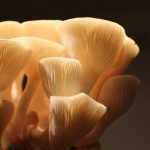
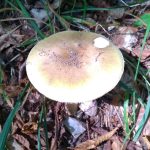

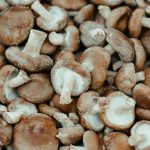
[…] Common edible mushrooms offer flavour and a useful mix of fibre and micronutrients, but nutrition differs by species and preparation. Compare like with like, account for water content, and avoid treating one mushroom as a cure-all. For more detail, read our button, cremini, and portobello guide and our explainer on mushroom beta-glucans. […]