Physical Address
304 North Cardinal St.
Dorchester Center, MA 02124
Physical Address
304 North Cardinal St.
Dorchester Center, MA 02124

A practical overview of the nutritional profile of common edible mushrooms and the factors that affect their composition.
Common edible mushrooms can contribute fibre, B vitamins, minerals, and savoury flavour to meals, but their nutritional composition varies by species, growing conditions, storage, and preparation. Fresh mushrooms contain a high proportion of water, so their energy and nutrient values per 100 grams are usually modest. Drying removes water and concentrates nutrients by weight, which is why a fair comparison needs equivalent portions and preparation methods.
Many common fresh mushrooms provide small amounts of protein and carbohydrate, dietary fibre, and a range of micronutrients. They are often useful for adding volume and umami to a meal without contributing much energy before cooking fats and sauces are added. The exact numbers depend on the species and the source of the nutrition data. Do not assume that every mushroom has the same profile.
Water makes up a large share of fresh mushroom weight. This lowers the concentration of nutrients per 100 grams compared with dried mushrooms, which have had much of that water removed. During cooking, mushrooms lose water and shrink, so a cooked serving may weigh less than the raw portion from which it came. This is one reason comparisons between raw and cooked foods can be misleading.
Common edible mushrooms can contribute nutrients such as riboflavin, niacin, pantothenic acid, selenium, copper, and potassium in varying amounts. Some mushrooms exposed to ultraviolet light can provide vitamin D2, but ordinary store-bought mushrooms may contain relatively little unless treated or labelled for that purpose. Species, growing conditions, processing, and storage influence the amount, so check reliable product information rather than relying on a generic mushroom claim.
Mushrooms contain fibre components including beta-glucans and chitin-related material. These are different from the fibre found in every other food, and their amount varies by species and preparation. Research into specific compounds is ongoing, but the presence of a compound does not prove that eating a mushroom prevents or treats a disease. For everyday nutrition, the whole diet and variety of fibre sources matter.
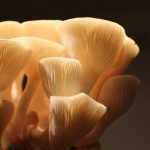
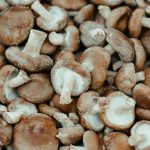
White button, cremini, and portobello mushrooms are generally different market forms of Agaricus bisporus, while oyster, shiitake, enoki, and lion’s mane belong to different groups with distinct textures and culinary uses. Differences in nutrient values can reflect species, maturity, and growing conditions. It is better to compare a specific food and portion than to assume that a “functional” or wild mushroom is automatically more nutritious.
Sautéing, roasting, grilling, and boiling change moisture and texture. Added oil, butter, cheese, sauces, or salt can alter the nutrition of the finished meal substantially. Browning develops savoury flavour, but overcrowding a pan can cause mushrooms to steam rather than brown. Cook mushrooms properly and store leftovers safely.
Dried mushrooms are more concentrated by weight because they contain less water. A small amount may provide substantial flavour, but a typical serving is much smaller than a 100-gram portion of fresh mushrooms. Rehydration adds water back and changes the weight. Compare equivalent original quantities or prepared servings when looking at nutrient data.
Some mushrooms can increase their vitamin D2 content when exposed to ultraviolet light. This does not mean all mushrooms are a reliable vitamin D source. If vitamin D content matters, look for a declared amount per serving and consult a healthcare professional about individual needs. Do not use a mushroom food or supplement as a replacement for medical treatment without advice.
Mushrooms can add flavour, texture, and some nutrients, but they are not a complete source of every nutrient. Combine them with vegetables, whole grains, legumes, nuts, seeds, and appropriate protein sources. People with allergies or particular medical dietary needs should follow qualified advice. If a product is a concentrated supplement rather than a whole food, assess it separately because its ingredients and dose can differ substantially.
Choose firm mushrooms with a fresh smell and no obvious sliminess or widespread deterioration. Refrigerate them in breathable packaging and use them while fresh. Keep dried mushrooms fully dry in an airtight container in a cool, dark place. Discard mushrooms that show signs of mould or spoilage. Safe handling and freshness help you make better use of the food you buy.
Common edible mushrooms offer flavour and a useful mix of fibre and micronutrients, but nutrition differs by species and preparation. Compare like with like, account for water content, and avoid treating one mushroom as a cure-all. For more detail, read our button, cremini, and portobello guide and our explainer on mushroom beta-glucans.