Physical Address
304 North Cardinal St.
Dorchester Center, MA 02124
Physical Address
304 North Cardinal St.
Dorchester Center, MA 02124

A practical comparison of white button, cremini, and portobello mushrooms, including their relationship, flavour, storage, and best uses.
White button, cremini, and portobello mushrooms are commonly sold as if they were three different types, but they are generally different market forms of the same species, Agaricus bisporus. The differences are largely related to maturity, colour, size, and how the mushrooms are harvested and marketed. Understanding that relationship helps you choose the right texture and flavour for a recipe without assuming that one name automatically means a completely different nutritional profile.
White buttons are harvested relatively young and have a pale cap, compact shape, and mild flavour. Their small size makes them convenient for salads when appropriate, quick sautés, soups, pizza, and sauces. Because the flavour is relatively subtle, they take on seasonings and sauces easily. Choose firm specimens without slimy patches or an unpleasant smell.
Cremini are often described as the brown version of button mushrooms. They tend to have a slightly deeper, earthier flavour and a firmer texture, though freshness and cooking method make a difference. They work well in roasted dishes, pasta, risotto, stews, and sautés where you want the mushroom flavour to remain noticeable.
Portobellos are larger, more mature Agaricus bisporus mushrooms with broad caps. Their size makes them useful for grilling, roasting, stuffing, or serving as a substantial vegetable component. They contain more moisture than their cooked texture might suggest, so high heat and enough space on the pan help browning. Remove the stem if a recipe calls for it, and decide whether to keep the dark gills based on appearance and the dish.
Mushrooms release moisture as they heat. If a crowded pan traps steam, they may soften and simmer instead of browning. Spread them out, allow moisture to evaporate, and add fat and seasoning according to the recipe. Roasting and grilling develop browned, savoury notes; gentle cooking suits soups and sauces. The maturity of the mushroom affects texture, but the cooking method can make an equally large difference.
All three forms can provide fibre, B vitamins, minerals, and water, but exact values depend on growing conditions, storage, and portion size. A larger portobello is not automatically more nutritious in every respect. Cooking changes water content, and added oil, butter, cheese, or sauces can affect the nutrition of the finished meal. Compare reliable food composition data using the same weight and preparation method.
Look for firm caps and stems, a fresh smell, and no obvious sliminess or widespread deterioration. Avoid packages with excessive pooled moisture. Slight cosmetic variation is not necessarily a quality problem, but damaged or decomposing mushrooms should be discarded. Store them refrigerated in breathable packaging and use them promptly.
Brush off loose dirt or wipe the surface, and rinse briefly if they need it just before cooking. Avoid soaking them for a long time, especially if you want to brown them. Dry the surface before placing mushrooms in a hot pan. Cleanliness and storage matter more than a rigid rule that mushrooms must never touch water.
Usually, yes, if you account for size and moisture. Slice or quarter portobellos to match the cooking time of smaller mushrooms. If a recipe depends on a whole cap, a button or cremini will not provide the same shape. For soups and sauces, the substitution is generally more flexible. Taste and texture may differ, but all three can contribute savoury flavour.
Button, cremini, and portobello mushrooms are usually the same species at different market stages. Choose buttons for mildness, cremini for a deeper earthy note, and portobellos when a large cap suits the dish. Our existing button, cremini, and portobello guide provides more background, while our oyster mushroom guide explores a different species with a different texture.




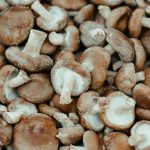
[…] three are all the same species, Agaricus bisporus, at different stages and colours. Our guide to button, cremini and portobello mushrooms explains the difference. They’re a common raw ingredient in […]