Physical Address
304 North Cardinal St.
Dorchester Center, MA 02124
Physical Address
304 North Cardinal St.
Dorchester Center, MA 02124

A practical temperature reference guide explaining colonization versus fruiting ranges and why species-specific supplier instructions matter.
Temperature is one of the most important variables in mushroom cultivation, but there is no single ideal temperature for “mushrooms.” Mycelium may prefer one range during colonization and a different range during fruiting, and strains within the same species can vary. The table below is a practical starting point for common cultivated species, not a guarantee. Always compare it with the exact strain supplier’s instructions and measure the temperature where the substrate sits.
These broad ranges are approximate examples gathered from cultivation guidance. They are intentionally ranges rather than single “perfect” numbers. Strain, substrate, airflow, humidity, and stage of development all affect results.
| Mushroom | Approximate fruiting range | Practical note |
|---|---|---|
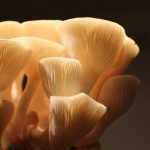
| Blue oyster | 13–18°C (55–65°F) | Often suited to cooler fruiting conditions; confirm strain. |
| Pink oyster | 21–29°C (70–85°F) | Often warmer-fruiting; heat tolerance still varies. |
| Oyster mushrooms, broadly | 13–24°C (55–75°F) | Different oyster species and strains span a wide range. |
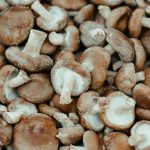
| Shiitake | 15–21°C (60–70°F) | Strain type affects fruiting season and triggering. |
| Lion’s mane | 13–21°C (55–70°F) | Stable humidity and fresh air also matter. |
| Reishi | 18–27°C (65–80°F) | Growth form and conditions affect the result. |
| Wine cap, outdoors | 13–24°C (55–75°F) | Soil, wood-chip moisture, and local weather matter. |
Ranges above are broad guides, not universal limits. See the NCAT mushroom cultivation resource and its species-specific examples, and compare them with your spawn supplier’s recommendations.
During colonization, mycelium spreads through the substrate. Many bag-growing systems use steady conditions that support this growth, often warmer than the eventual fruiting environment. Once the block is mature, fruiting may be encouraged by a shift in temperature, increased fresh-air exchange, suitable light, or other cues appropriate to the species. Not every species needs a dramatic temperature drop, and not every kit should be cold-shocked.
Room thermostats may not reflect conditions near a sunny window, above an appliance, inside an insulated tent, or beside a heater. Put a thermometer close to the block and check it at different times of day. Large bags and tightly packed blocks may also behave differently from the surrounding air. For repeated grows, record daytime and overnight readings so you can spot swings that a single measurement misses.
Relative humidity changes as air temperature changes, even when the amount of water vapour stays similar. A warmer room can dry exposed fruiting bodies more quickly, while a cool surface may develop condensation. High humidity does not mean the mushrooms should remain wet. Balance humidity with fresh-air exchange and watch the crop for dry edges, stalled pins, or persistent wetness.
Temperatures above a strain’s preferred range can slow or disrupt development, encourage drying, and increase the chance that the grow will not fruit normally. Move the block away from direct sun and heat sources, but avoid sudden extreme cooling. If the room consistently exceeds the recommended range, consider a different season or strain instead of repeatedly trying to force the environment.
Cool conditions may slow colonization or fruiting rather than kill the culture immediately. The expected response depends on species and strain. Check whether the block is still in the colonization stage and whether the supplier describes a cooler fruiting trigger. Do not assume a stalled block needs a heat lamp; direct heat can create uneven temperatures and dry the surface.
Long stems and small caps in oyster mushrooms can point to poor fresh-air exchange, not just temperature. Dry, cracked edges may reflect low humidity or a draft. Slow growth may relate to an immature block, weak spawn, or unsuitable substrate. Change one variable at a time and keep notes; the visible symptom rarely proves a single cause by itself.
Use temperature charts as starting points, not rigid rules. Species and strains differ, and temperature works alongside moisture, fresh air, light, and substrate maturity. Confirm the range with your supplier, measure the actual grow site, and adjust gradually. For practical examples, see our oyster mushroom guide and the NCAT cultivation guide.