Physical Address
304 North Cardinal St.
Dorchester Center, MA 02124
Physical Address
304 North Cardinal St.
Dorchester Center, MA 02124

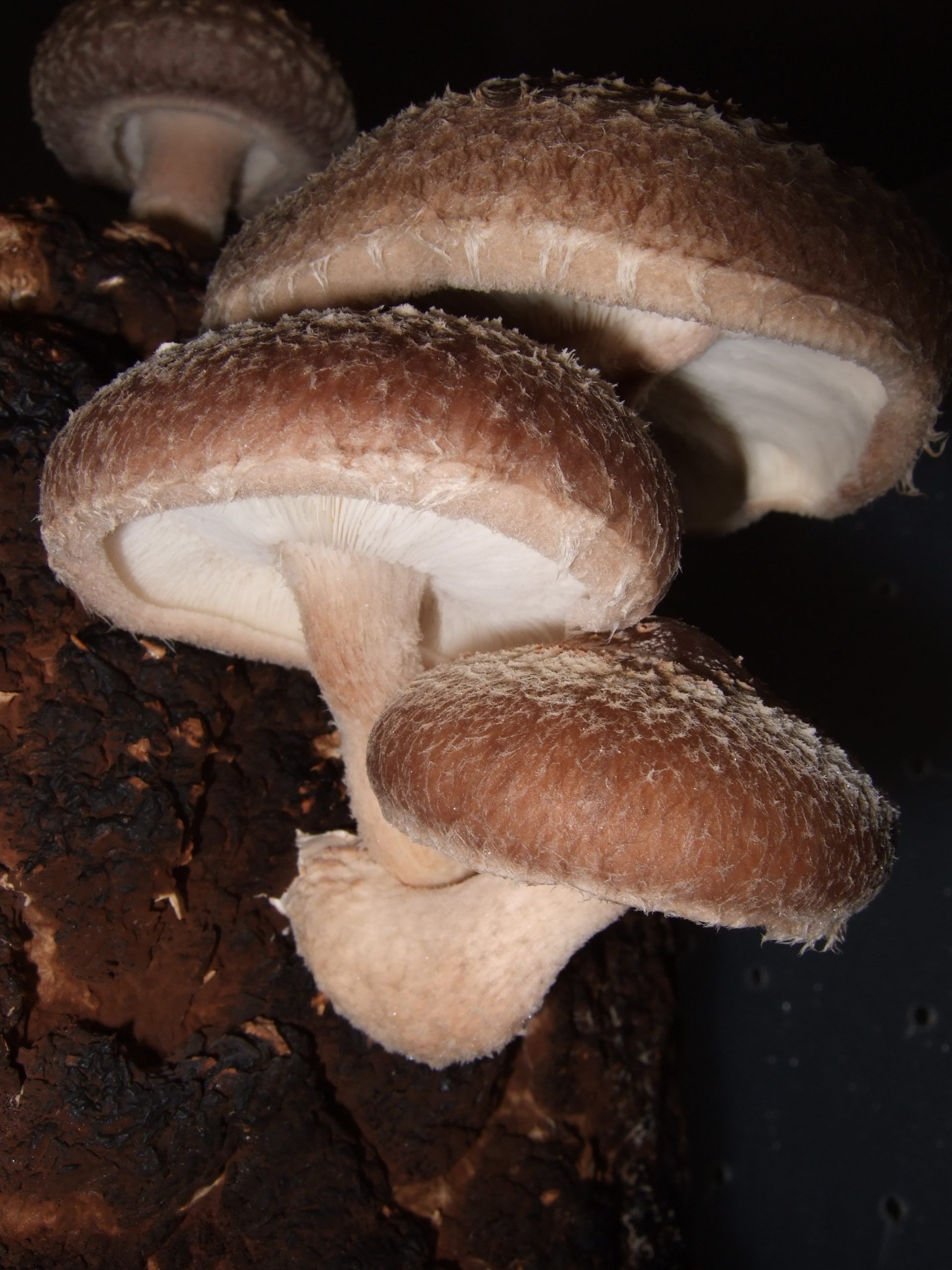
Learn how to grow shiitake mushrooms on hardwood logs, from choosing wood and inoculating spawn to incubation, fruiting, harvesting, and common problems.
Growing shiitake (Lentinula edodes) on hardwood logs is a patient, low-tech way to cultivate an edible mushroom over multiple seasons. The process is different from fruiting a ready-made indoor block: the fungus must colonize the wood before it can produce mushrooms, and that establishment period can take many months. The main decisions are choosing suitable hardwood, selecting the right spawn, maintaining log moisture, and matching the strain to your local climate.
Shiitake is usually grown on hardwood logs from compatible tree species. Wood type matters because not every tree provides the same substrate. Use healthy, recently cut wood recommended by your spawn supplier and avoid painted, stained, chemically treated, or polluted timber. Very old, decaying logs may already be occupied by other fungi. If you are unsure which trees are suitable in your region, ask a local grower or extension service before cutting wood.
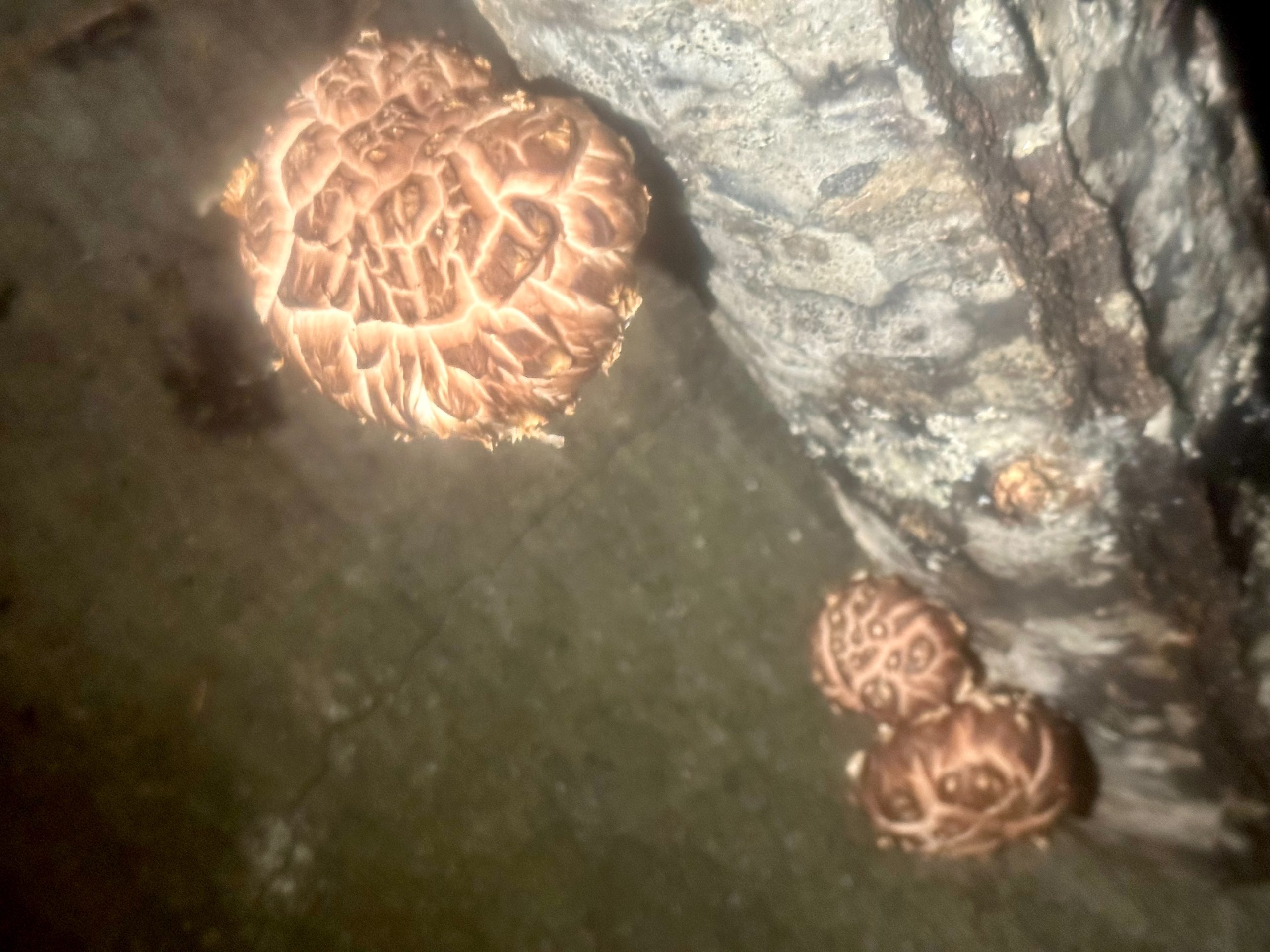
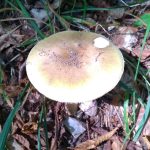
Image source: Nesnad, Wikimedia Commons, CC BY 4.0.
Logs should be manageable enough to move and maintain, while large enough to hold moisture over time. Very small pieces can dry quickly; very large logs can be difficult to handle and may colonize more slowly. Keep bark intact where possible because it helps protect the wood and retain moisture. The exact diameter and length depend on your space and the supplier’s method, so select a size you can lift and stack safely.
Plug spawn consists of small wooden dowels colonized by shiitake mycelium and inserted into drilled holes. Sawdust spawn is a colonized sawdust material used with an inoculation method designed for it. Both can work when the method matches the product. Plug spawn is convenient for small projects; sawdust spawn may allow different inoculation patterns. Follow the supplier’s hole spacing, spawn quantity, and sealing instructions instead of combining steps from unrelated guides.
Prepare a clean work area and the recommended tools before opening the spawn. Drill holes according to the supplier’s pattern, place spawn into each hole, and seal them if the method calls for wax or another approved sealant. The purpose is to establish the culture in the wood and reduce drying at the inoculation points. Keep the process organized so the spawn is not left exposed unnecessarily. Wear suitable protection when drilling and handling hot sealant.
After inoculation, the mycelium needs time to spread through the wood. Store logs in a shaded, protected location where they retain moisture but are not constantly waterlogged. Avoid direct sun, strong drying wind, and places where runoff from roads or chemicals can reach the wood. The colonization period depends on log size, strain, temperature, moisture, and spawn type; do not expect mushrooms immediately after inoculation.
Shiitake strains differ in the conditions that encourage fruiting. Some are adapted to cooler shoulder seasons, others fruit under warmer conditions, and some cover a broader range. The strain type affects whether you rely mainly on natural seasonal cues or use a managed fruiting protocol. Ask your supplier which strain you have and when it is expected to fruit in your region. A schedule written for a different climate may not apply.
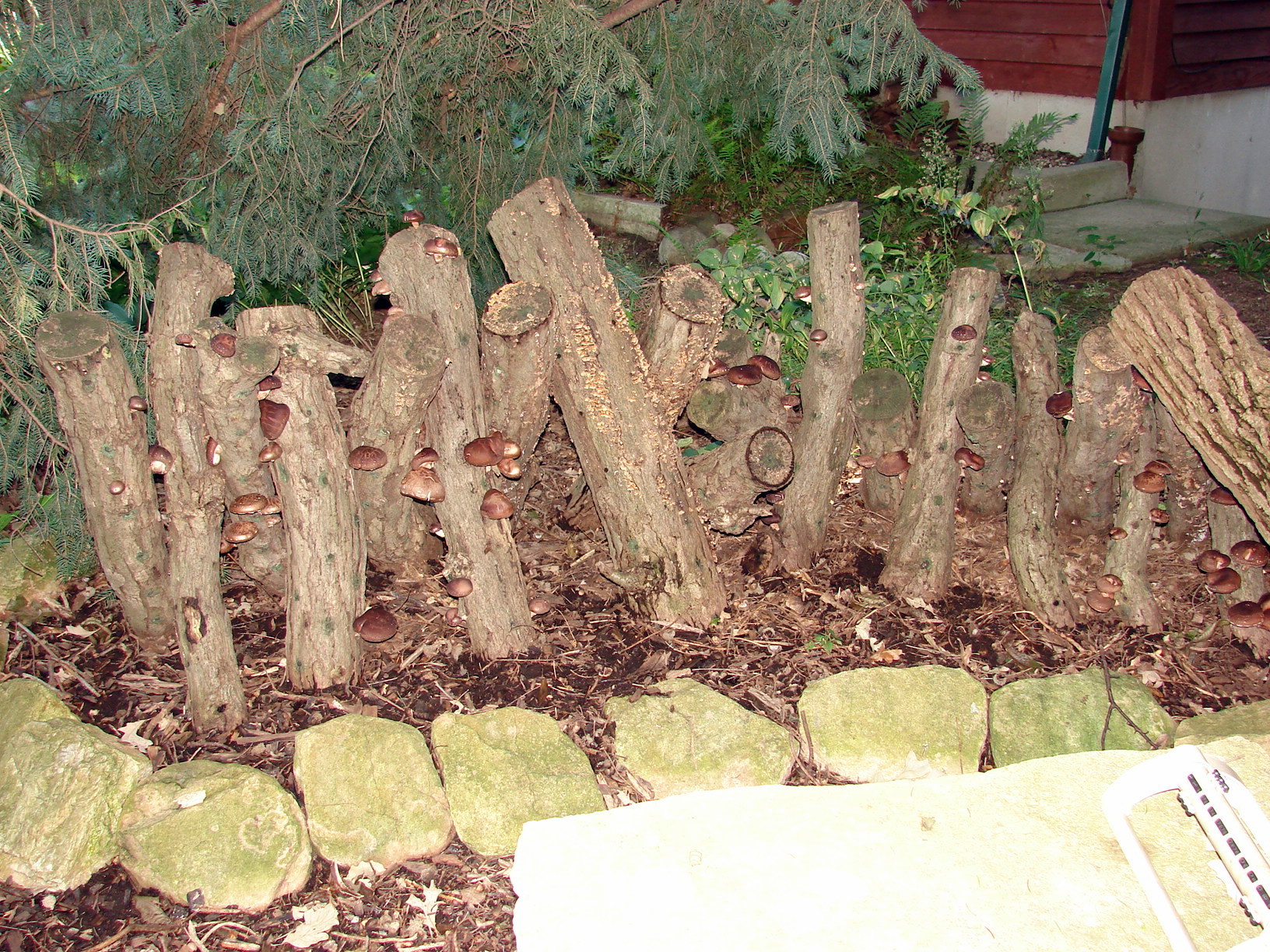
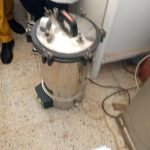
Image source: dominik18s, Wikimedia Commons, CC BY 2.0.
Logs need enough moisture for the mycelium to colonize and for fruiting bodies to develop. Rainfall may be sufficient in some climates, while dry regions need closer monitoring. Water gently and allow drainage; keeping logs submerged or constantly saturated without following a tested method can create problems. Weighing a log is not always practical, but observing drying, bark condition, and local weather can help. Record watering and rainfall so you can learn how quickly the site dries.
Arrange logs so air can circulate and you can inspect them safely. Dense stacks may retain moisture but can also reduce airflow and make it harder to notice problems. Avoid direct contact with contaminated wood or dirty surfaces. Keep the logs away from treated lumber and chemical storage. The best stacking pattern depends on climate, available space, and the spawn supplier’s guidance.
Some shiitake logs fruit in response to natural seasonal changes; other strains and methods use controlled soaking or other managed triggers. Do not cold-shock or soak every log by default. First confirm that the logs are mature enough and that the method is appropriate for the strain. Follow the supplier’s timing, water quality, and handling guidance, and avoid damaging the bark or repeatedly stressing a log that has not completed colonization.
Harvest caps at the stage recommended for your strain and intended use. Many growers pick when the cap has expanded but retains a slight curl at the edge. Use a clean knife or careful harvest technique and avoid tearing bark from the log. Check logs regularly during a flush because mushrooms can mature quickly in favourable weather. Refrigerate the harvest promptly and cook the mushrooms before eating.
A log can fruit over multiple seasons, but output gradually declines as the wood is consumed and conditions change. Yield varies with wood species, diameter, moisture, strain, and management. Do not compare one flush from a log with the full life of an indoor block. Record each flush’s date and weight so you can judge the cumulative harvest and learn which log sizes work best for your site.
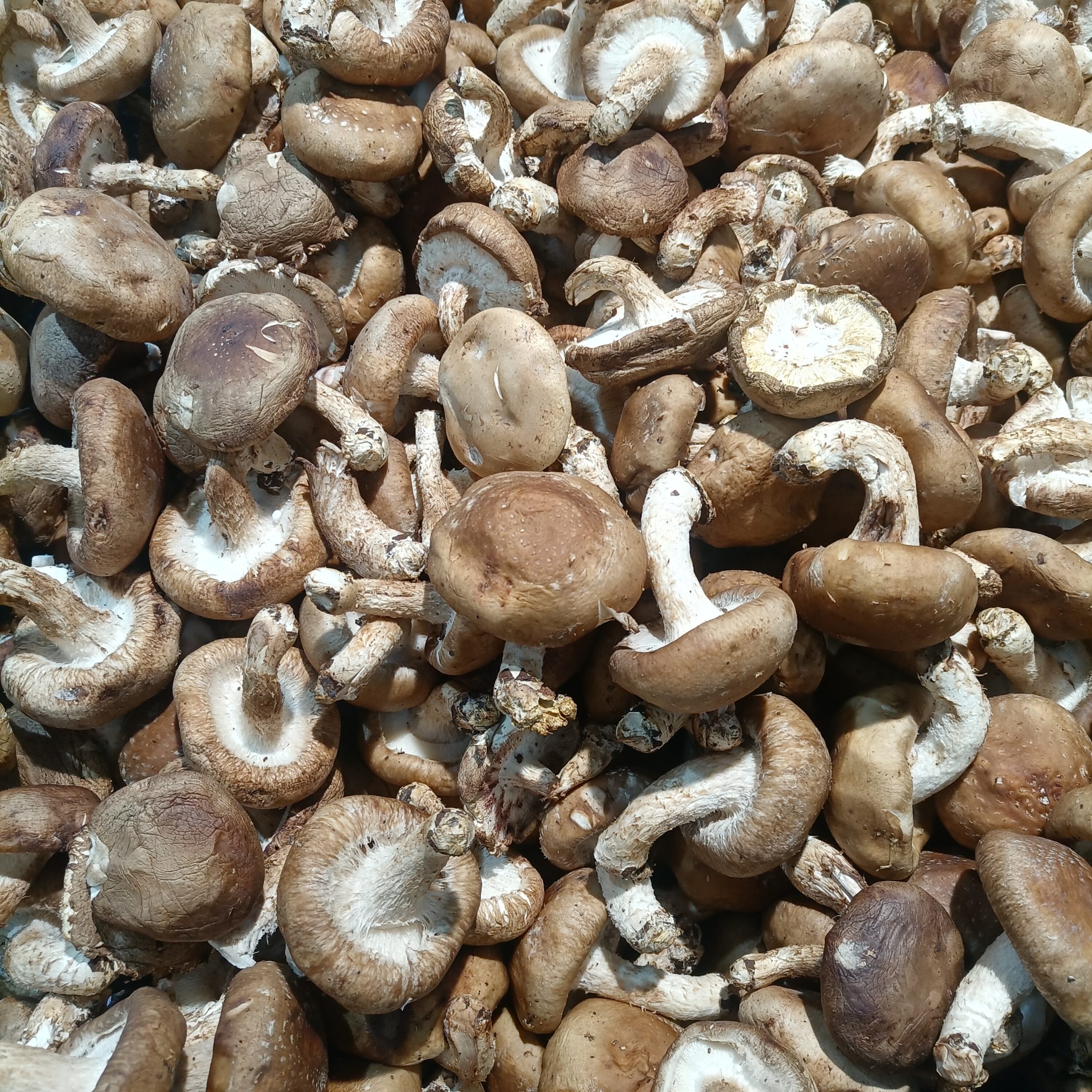
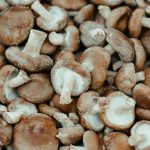
Image source: Fumikas Sagisavas, Wikimedia Commons, CC0.
Harvest wood legally and sustainably, and do not cut protected trees or collect wood from places where you lack permission. Avoid logs that may be contaminated by chemicals. Outdoor logs can host other fungi, so only harvest mushrooms that you can confidently identify as the cultivated species. If an unknown mushroom appears, leave it alone rather than assuming it belongs to the shiitake culture.
Shiitake log growing rewards patience and steady care. Choose compatible hardwood, use spawn suited to the method, keep the logs from drying excessively, and allow colonization to finish before expecting fruit. Strain choice and local climate determine the fruiting schedule. For comparison with a quicker indoor method, read our oyster mushroom guide and our shiitake overview.


[…] North Spore recommends for nameko, which it says prefers log and stump methods. If you have grown shiitake on hardwood logs, the process will be […]
[…] Mushroom Mountain, a US spawn supplier, recommends oak for wood ear logs, though other healthy hardwoods may also work. The process will be familiar if you’ve grown shiitake on logs: […]